
Reviewed · WALKING TOURS
Explore Highlights Hoi An by Walking
Hoi An reveals itself best on foot, where a market aisle, Chinese assembly hall, old merchant house, and lantern-lit shopping street fit into one compact outing. This private tour with Toan, also called Tom, covers the town’s main sights in about three to four hours.
I like the private format, which lets you ask questions and set a comfortable pace. I also like the clear route through five central stops, especially the chance to see Hoi An by day and finish among its lanterns at the Night Market.
The main consideration is the short timing. You will see the highlights, but you will not have much room for long shopping stops, extended meals, or a slow look at every detail. The description also gives mixed information about admission fees, so confirm exactly what is covered before you set out.
Key points at a glance
- A private walk with Toan: You explore with only your own group, rather than joining a large departure.
- Five central Hoi An sights: The route includes Hoi An Market, Phuc Kien Assembly Hall, Tan Ky Ancient House, the Japanese Covered Bridge, and Hoi An Night Market.
- A useful three to four-hour route: This is a compact way to get oriented without giving up an entire day.
- A strong local culture focus: The stops move from daily market life to Chinese community traditions, merchant architecture, Japanese influence, and lantern shopping.
- $34 per person: The price is reasonable if entrance costs and guiding are included as stated, but clarify the fee details first.
- Flexible booking terms: You can cancel for a full refund up to 24 hours before the start time, subject to the weather policy.
Why this Hoi An walk works well
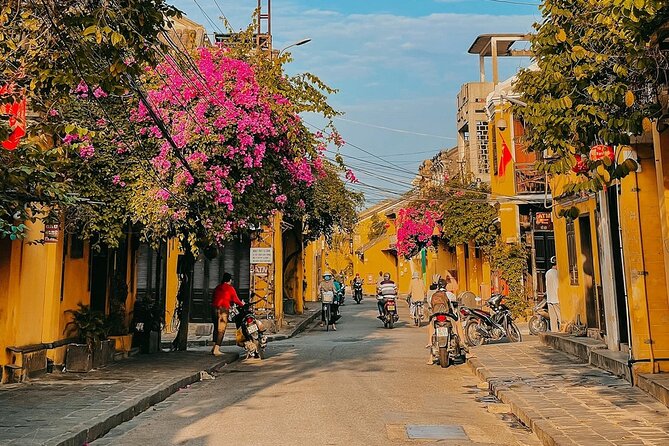
Hoi An is a town that rewards short distances and unhurried looking. Its central sights are close enough to connect on foot, so you spend less time sitting in a vehicle and more time seeing shopfronts, courtyards, carved wood, market stalls, and riverside streets.
This route gives you a useful first picture of the town. It begins with ordinary local commerce, moves through religious and community buildings, then visits two famous architectural symbols before ending at the Night Market. That order makes sense. You start with present-day life and then gain context for the old town’s built heritage.
Toan presents himself as a local guide for Central Vietnam, including Hoi An, Da Nang, and Hue. The information supplied about his other tours describes him as friendly, energetic, flexible, and passionate about Vietnam. One account also points to his help getting around Hoi An, which matters if you want practical guidance rather than a guide who simply recites dates.
The private setup is the biggest selling point. You can ask for a slower explanation at Tan Ky Ancient House, pause for a photograph at the Japanese Covered Bridge, or spend less time shopping if markets are not your priority. The tradeoff is that private tours can feel less social than a group walk, and the price may not suit a solo visitor as well as it suits two or more people sharing the booking.
More walking tours in Hoi An:
- Evening Walking Food Tour, folk game and lantern boat
★ 5.0 · 665 reviews - Hoi An Ancient Town Walking Tour with a Local
★ 5.0 · 517 reviews - Hoi An Ancient Town – Walking Tour with Local Guide
★ 4.9 · 385 reviews
Starting at Hoi An Market
The first stop is Hoi An Central Market, near the riverside, for about 30 minutes. This is a good place to begin because it shows the town as a working community, not only as a preserved historic center.
You can expect a sensory introduction to Hoi An, with food, produce, household goods, and small items for sale. The supplied description calls it a strong local-life stop, and that is the right way to treat it. You are not visiting only to buy a souvenir. You are seeing how the town functions day to day.
Thirty minutes is enough for an introduction, but not enough for a detailed food tour or serious shopping. If you see something you want to buy, ask Toan about prices and how much time remains. The tour does not include meals or shopping costs, so any tasting or purchase comes from your own budget.
This stop also gives you a practical chance to get your bearings. Hoi An’s market area can feel busy, with narrow aisles and plenty to look at. Stay close to your group and keep valuables secure. The market is most useful when you let the guide explain what you are seeing instead of rushing from stall to stall.
Finding the story at Phuc Kien Assembly Hall
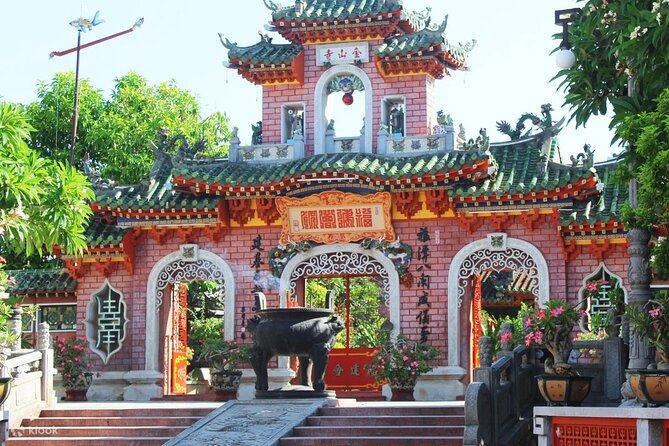
The second stop is Phuc Kien, also called the Fujian Assembly Hall, for around 20 minutes. It is presented as one of Hoi An’s most important Chinese community buildings, originally created by Chinese immigrants.
The value here is cultural context. Assembly halls were more than decorative buildings. They served as places where Chinese communities could worship, meet, and maintain shared traditions. The architecture gives you a visible link to the people who helped shape Hoi An’s trading life.
Twenty minutes is a short visit, so expect an introduction rather than a long architectural study. You will have time to look at the building and hear its basic story, but you may need to ask focused questions if you want more detail about religious symbols, construction, or community history.
This is one place where a private guide helps. Toan can adjust the explanation to your interests. If you care about architecture, ask him to point out design details. If you are more interested in migration and trade, ask how Chinese residents fit into Hoi An’s development. The supplied accounts describe him as flexible with activities, so direct questions should be useful.
Stepping inside Tan Ky Ancient House
Tan Ky Ancient House is the third stop, with about 20 minutes inside. The house is more than 200 years old and is described as one of Hoi An’s best-known historic homes.
This visit changes the scale of the tour. At the market and assembly hall, you see public life and community identity. At Tan Ky, you enter a private merchant home and get a sense of how domestic life, business, and architecture met under one roof.
Look for the parts of the house that show careful preservation and older building traditions. The appeal is not simply that the house is old. It is the way the rooms, materials, and layout suggest the habits of the people who lived and worked there.
Again, 20 minutes goes quickly. You will want to move at a steady pace and listen while looking. If you are especially interested in old homes, this may be the stop where you wish the tour lasted longer. The good news is that the private format gives you a better chance to ask a question or pause briefly without holding up a large group.
I would not plan a full meal or shopping break during this section. The schedule has five stops, and Tan Ky is intended as a focused visit rather than an open-ended house tour.
A completely different side of Hoi An:
- Hoi An: Basket Boat Ride in the Coconut Forest
★ 4.9 · 4,956 reviews - Hoi An: Vietnamese Coffee Culture and Coffee Making Class
★ 4.9 · 4,006 reviews - Hoi An: Vietnamese Foldable Lantern Making Class
★ 4.9 · 3,742 reviews - Cooking Class Hoi An:Local Market, Basket Boat, Fishing & Cooking
★ 5.0 · 3,660 reviews
Seeing the Japanese Covered Bridge
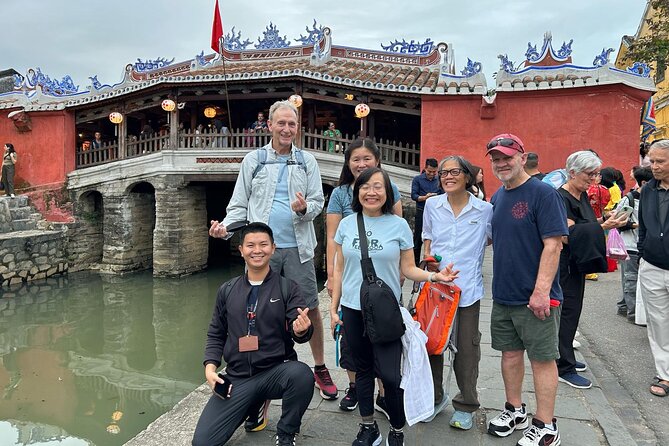
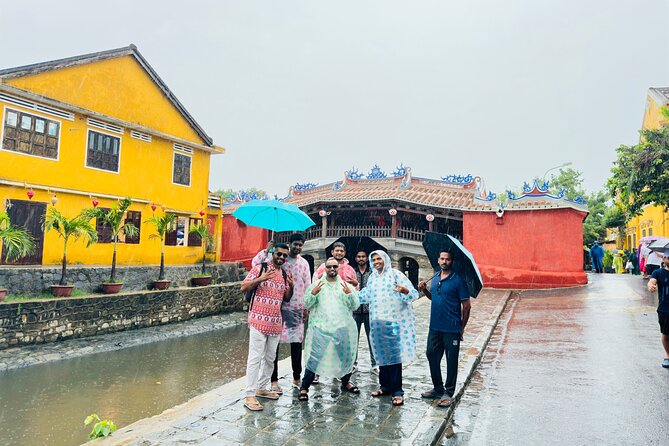
The Japanese Covered Bridge is one of Hoi An’s most recognizable sights and the fourth stop. You receive about 20 minutes to appreciate its design and historical importance.
The bridge is valuable because it represents the town’s connections between different communities and trading traditions. Its name points to Japanese influence, while its place in the center of Hoi An connects it to the wider story of a port town shaped by exchange.
This is a good photograph stop, but do not treat it as only a photo backdrop. Ask Toan about the bridge’s role in the town and the details that make it distinctive. A short guided explanation can turn a quick picture into a more meaningful stop.
Crowds and foot traffic may affect how long you can stand in one place. The supplied information does not promise a quiet visit or a special time reserved for photography. If you want a particular type of picture, use your 20 minutes wisely and follow the guide’s directions.
The bridge also helps tie the earlier stops together. After seeing Chinese community architecture and an old merchant house, you encounter another cultural influence in a single compact structure. That makes the route feel planned rather than like a random list of famous sights.
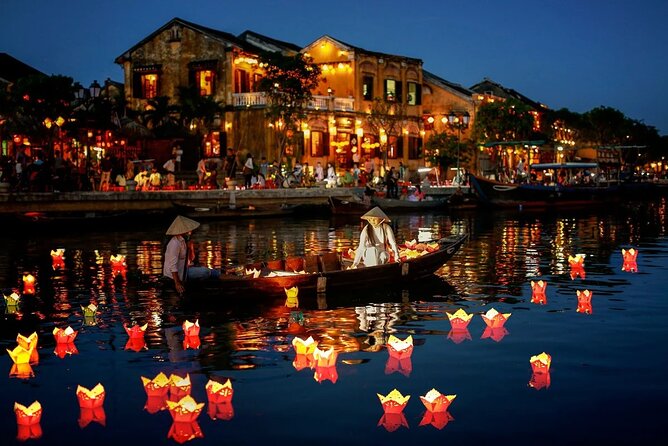
Ending among lanterns at Hoi An Night Market
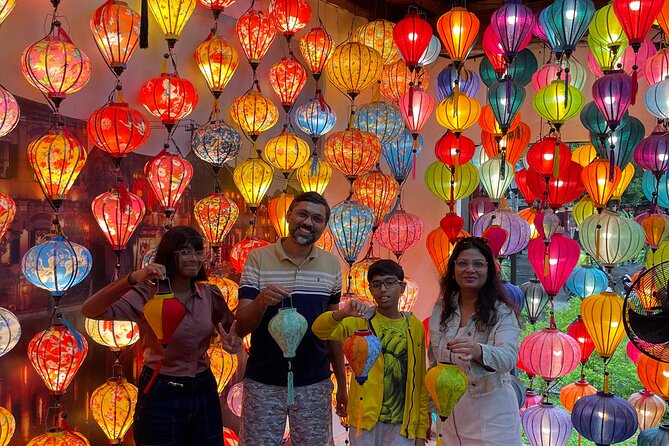
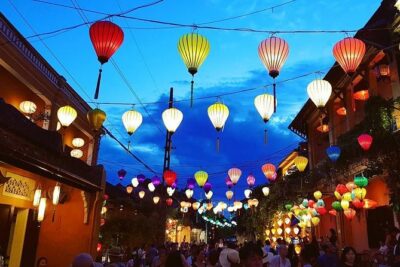
The final stop is Hoi An Night Market, also listed at about 30 minutes. The focus is lanterns and souvenirs, giving the walk a lighter, more commercial finish after the historical buildings.
This stop works best if you want to see the visual side of Hoi An and perhaps buy a small reminder of your visit. Lanterns are closely associated with the town’s evening character, and the market offers an easy place to browse after the more structured visits earlier in the route.
Do not expect shopping costs to be included. Meals and shopping are specifically excluded, so bring a separate budget if you plan to buy anything. Thirty minutes gives you a taste of the market, but not much time for careful comparison among stalls.
The schedule also lists operating hours from 7:00 AM to 9:00 PM, Monday through Friday, for the stated booking period. Since the route includes a Night Market stop, confirm the exact start time when booking. A morning walk and an evening market visit do not naturally fit into three or four hours unless the timing is arranged around the market’s opening. This is the most important practical detail to clarify.
What the $34 price really covers
At $34 per person, the tour offers fair value if you want a guide and a compact introduction to Hoi An’s central sights. You are paying for a private activity, a planned route, guiding, and at least one bottle of water. Pickup is offered, which may also save you the trouble of arranging your own way into the center, though the precise pickup area is not stated.
The price becomes more attractive for a couple or small group because the private format gives you personal attention without the feel of a large coach tour. For one person, the total cost may seem higher than joining a shared walk, but you gain control over the pace and questions.
There is a confusing detail about admission. The inclusions list says entrance fees and tickets are included, while the exclusions list says admission fees are not included. Do not assume one version is correct. Ask Toan or Hoian Vibes Tours which stops require payment and whether those charges are already built into the $34.
Bottled water is listed as free, with one bottle provided. Meals are not included. That is normal for a short walking tour, but you should eat before or after the activity if you need more than a quick market stop.
Timing, weather, and who should book
The tour lasts approximately three to four hours. That makes it a good choice for a first look at Hoi An, a free morning or afternoon, or a day when you want cultural sightseeing without committing to a full-day program.
It suits you best if you want:
- A private guide rather than a large group
- A first visit to Hoi An’s central landmarks
- A mix of market life, architecture, religion, and shopping
- Help from a local guide who can also advise on Hoi An, Da Nang, and Hue
- A structured route that reduces the need to plan each stop yourself
It may be less suitable if you want a slow photography walk, a food-focused tour, or extensive shopping time. The schedule is purposeful, not leisurely. You see five places, each with a fixed time, so you need to accept a little structure.
Good weather is required. If poor weather causes cancellation, you will be offered another date or a full refund. You can also cancel for a full refund up to 24 hours before the start time. Changes or cancellations made less than 24 hours before the start are not accepted for a refund.
Most people can participate, and the meeting area is near public transportation. Pickup is offered, but confirm the exact arrangement and meeting point before the day.
What the guide adds to the day
Toan is the main personality attached to this tour. He introduces himself as Toàn, or Tom, and offers tours across Central Vietnam. The supplied comments about his work repeatedly point to friendliness, energy, flexibility, and practical help.
One account describes a multi-day trip from Hue to Hoi An in which Toan met the group at the airport, worked with a driver, and helped arrange sightseeing. Other comments describe him as professional and helpful, with good food choices and well-planned days. Another notes that he helped a group get around Hoi An after a wider cultural program that included coffee making, gardening, carpentry, and cooking.
Those details do not mean this short walking tour includes those extra activities. They do suggest that you can ask for local advice beyond the five listed stops. If you want restaurant suggestions, help understanding the old town, or ideas for Da Nang and Hue, raise those questions during the walk.
There is also a reference to a guide called Thom in one account. Since the main tour information identifies Toan, or Tom, as the guide, confirm who will lead your booking if the name matters to you.
Final verdict: a good first walk, with one fee question
I would book this tour if you want a private, efficient introduction to Hoi An and prefer a local guide to lead the way. The route covers the town’s most recognizable cultural sights, and its mix of market, assembly hall, old house, bridge, and Night Market gives you a useful first framework.
I would pause before booking if your priority is food, shopping, or long visits inside each building. The three to four-hour schedule moves quickly, and the admission wording needs clarification. Ask two questions before paying: exactly what entrance fees are included, and how the Night Market timing fits the chosen start time.
For many visitors, the $34 price is sensible, especially when shared by a small private group. You get a focused route, personal guiding, and an easy way to see Hoi An without spending a full day on logistics.
FAQ
How long does the Hoi An walking tour last?
The tour lasts approximately three to four hours.
Is this a private tour?
Yes. Only your group participates, and the activity is described as private.
Which places are visited?
The route includes Hoi An Market, Phuc Kien Assembly Hall, Tan Ky Ancient House, the Japanese Covered Bridge, and Hoi An Night Market.
Is hotel pickup available?
Pickup is offered, but the supplied information does not specify the exact pickup area or arrangement. Confirm this when booking.
Are meals included?
No. Meals are not included. Shopping costs are also your responsibility.
Can I cancel for a full refund?
Yes. You can cancel at least 24 hours before the start time for a full refund. If poor weather causes cancellation, you will be offered a different date or a full refund.
Just added in Hoi An
- Hoi An: Ylang Ylang Spa Experience (Free pick up for 2pax++)★ 4.5 · 17 reviews
- Vietnamese Cooking Class with Local Family in Hoi An★ 4.9 · 20 reviews
- Hoi An Countryside Bicycle Tour : 25 Km Real Vietnam★ 5.0 · 12 reviews
- Vietnamese Coffee Making Class in Hoi An★ 5.0 · 4 reviews
- Vegetarian Cooking Class with Local Family in Hoi An★ 4.6 · 5 reviews
- Vegetarian Cooking Class W Optional Basket Boat from Hoi An★ 4.5 · 5 reviews
- My Son Sanctuary Private Tour – Early Morning or Half Day Tour★ 5.0 · 15 reviews
- Traditional Vietnamese Cooking Class in Leina Cookery★ 5.0 · 12 reviews
Walking Tours, compared.

Evening Walking Food Tour, folk game and lantern boat
Read our review →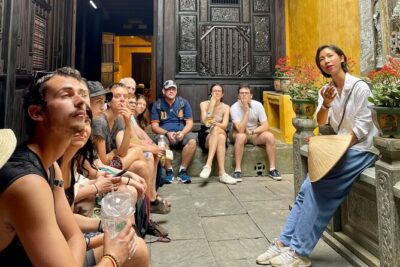

Cham Island: Underwater Walking & Snorkeling Tour
Read our review →

Browse the lists this tour appears in