
Reviewed · HOI AN CRAFT VILLAGE WORKSHOPS
Experience Tâboo Bamboo Workshop
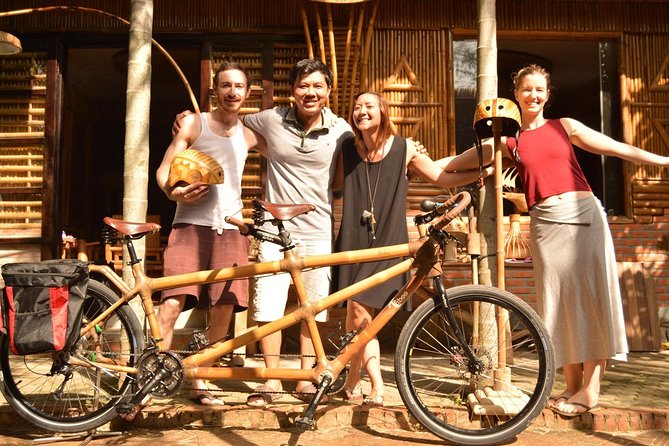
Bamboo is not just a craft material here. At Taboo Bamboo Workshop, you see it used for household objects, furniture, and parts of a traditional Vietnamese home before making a small item yourself. I like the hands-on format and the chance to hear about a family whose bamboo work spans three generations.
I also like that you leave with something you made, not just another photograph. The workshop costs $48 per person, a fair price if you value instruction and a personal souvenir, though the experience can feel crowded when too many people need the available machines and staff at once.
Key points to know
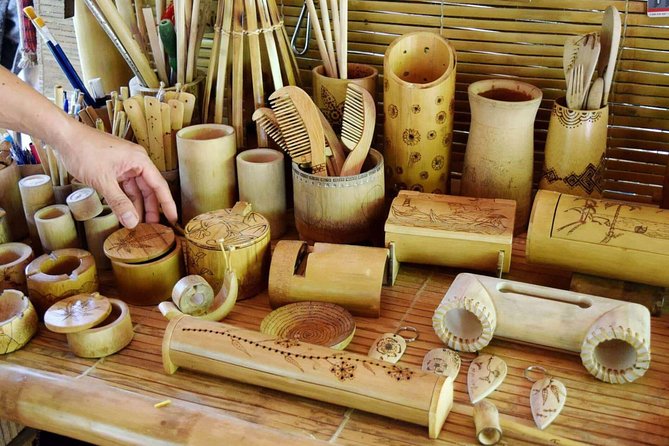
- See bamboo used as a working material: Learn how bamboo supports daily life in Vietnam, from household facilities to traditional homes.
- Make your own souvenir: Choose an item, receive basic instruction, work with the tools, and decorate the finished piece with your own memories.
- Hear a three-generation family story: The workshop connects the craft to a family with a long-running passion for bamboo.
- Visit Cam Thanh rather than only seeing Hoi An’s old streets: The workshop is at Thanh Tam Dong on Tran Nhan Tong Street in Cam Thanh.
- Expect a private activity: Only your group participates, although the workshop itself may become busy when several workstations are in use.
- Allow about four hours: The schedule includes an introduction, demonstrations of bamboo use and treatment, creative work, sharing, and time to take your souvenir home.
Why bamboo is the real attraction
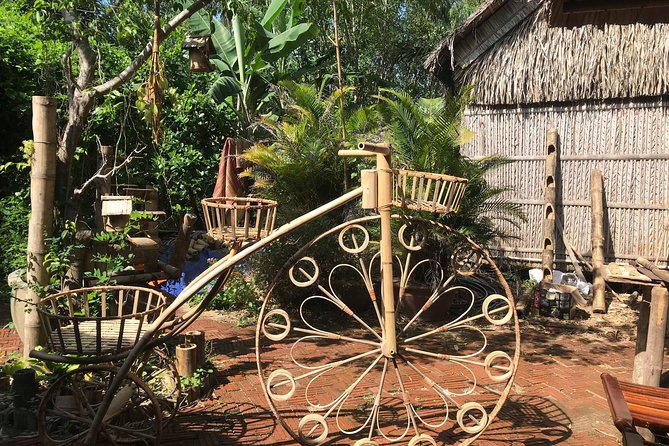
Many craft workshops rush you toward the finished product. This one gives bamboo room to tell its own story first. You learn how people in Vietnam use the plant in everyday life and why it works so well as a sustainable material.
That context matters. You are not simply cutting and assembling a decorative object. You are learning why bamboo has a practical place in Vietnamese homes and how local makers turn a natural material into useful household items.
The workshop also introduces a traditional bamboo house in Vietnam and connects it with Cam Thanh village. This gives the activity a local frame. You can look at the finished objects with more understanding because you have heard how bamboo fits into the surrounding community.
A special technique used to treat bamboo in Cam Thanh is part of the presentation. The supplied details do not specify the exact process, so I would not arrive expecting a technical class in preservation. Think of it as an explanation of local practice, followed by guided making.
The family story adds a human touch. Three generations have developed a strong connection to bamboo, and that history helps explain why the workshop includes so many examples of bamboo facilities and household creations. The most praised part of the experience is the mix of personal welcome, clear English instruction, and skilled hands-on help.
More craft village workshops in Hoi An:
- Hoi An: Thanh Ha Village Tour with Pottery Making and Gift
★ 4.8 · 78 reviews - Hoi An: Handmade Leather Crafts Workshop (Starter Course)
★ 4.9 · 71 reviews - Cocopalm Forest To A Craft Village
★ 5.0 · 31 reviews
Starting at the workshop in Cam Thanh
The meeting point is Taboo Bamboo Workshop, at Thanh Tam Dong, Tran Nhan Tong, Cam Thanh, Hoi An, Quang Nam 51000. The activity ends at the same place, so you do not need to plan for a separate finishing point.
The experience information identifies Hoi An Ancient Town as the stop, but the actual meeting address is in Cam Thanh. That distinction matters when you are arranging your day. Check your route carefully so you do not wait around the old town while the workshop is elsewhere.
The location is near public transportation, and the activity accepts service animals. Most people can participate. Since the workshop supplies the tools and materials, you do not need to arrive with specialist equipment or prior bamboo experience.
You receive confirmation when you book, and the ticket is mobile. I would keep the confirmation easy to open on your phone, especially if you are arranging several Hoi An activities on the same day.
The opening lesson: bamboo in Vietnamese life
The first part is less about making and more about looking. You are shown the ways bamboo is used in Vietnam, including household facilities and objects made for daily use.
This is where the workshop earns its place on a Hoi An schedule. You gain a clearer idea of how a plant can serve both practical and decorative purposes. Bamboo may look simple at first, but its uses become more interesting when you see how it is shaped, treated, and fitted into a home.
You also learn about bamboo as a sustainable material. The experience does not turn this into a long environmental lecture. Instead, the point is easy to grasp: bamboo can be part of a useful, lasting object rather than a throwaway souvenir.
The display of finished pieces gives you a chance to study the work before choosing your own project. I would pay attention here. Looking closely at the examples can help you decide what sort of souvenir you want to make and what level of detail feels manageable.
A traditional house and the Cam Thanh connection
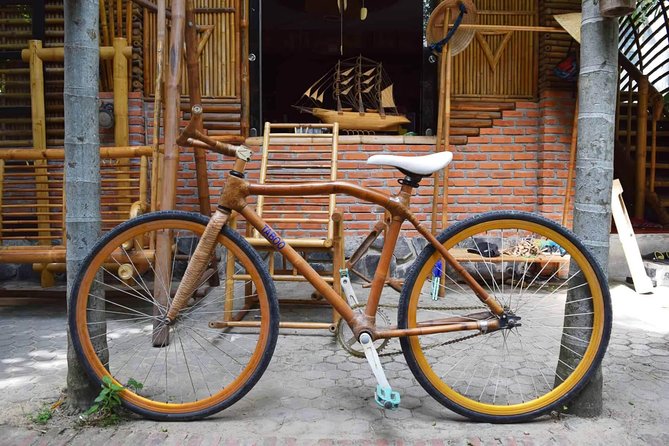
The workshop includes information about a traditional bamboo house in Vietnam and about Cam Thanh village. This section gives the material a sense of place.
You may already have seen bamboo products in markets around Hoi An. At the workshop, you get a better explanation of the material behind them. The village connection also keeps the activity from feeling like a generic craft class that could take place anywhere.
The workshop does not simply present bamboo as a souvenir-making trick. It shows how the material belongs to local building and household traditions. That is useful if you want an activity with some cultural context, not only a break from sightseeing.
The three-generation family story fits naturally here. You hear about the family’s long passion for bamboo and how that interest became part of the workshop. The information provided does not name the individual instructors, but it does confirm an English-speaking instructor and facilitators who assist during the creative session.
More hands-on workshops in Hoi An:
- Hoi An: Vietnamese Coffee Culture and Coffee Making Class
★ 4.9 · 4,006 reviews - Hoi An: Vietnamese Foldable Lantern Making Class
★ 4.9 · 3,742 reviews - Cooking Class Hoi An:Local Market, Basket Boat, Fishing & Cooking
★ 5.0 · 3,660 reviews - Hoi An Cooking Class(Market,BasketBoat Crabfishing&Cooking Class)
★ 5.0 · 3,386 reviews
Choosing what you will make
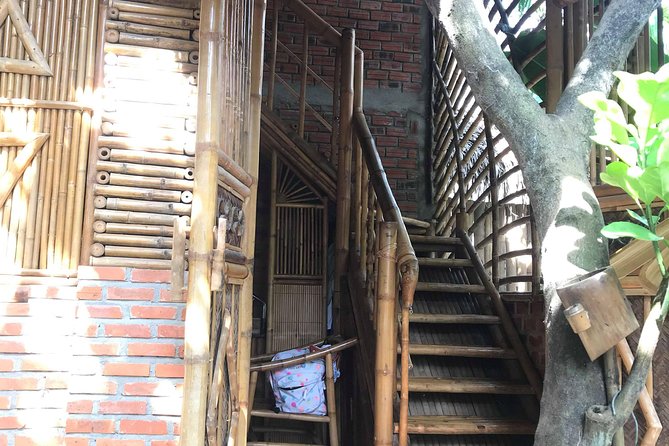
After the introduction, you get time to choose an item. The available choices are not specified in the tour details, so do not book this expecting one particular product unless the provider confirms it in advance.
The choice is part of the appeal. You can select something that feels useful, decorative, or easy to carry home. I like this better than receiving a fixed project because it gives you a small say in the final souvenir.
You then receive general instruction before beginning. This is not described as an advanced woodworking course, and the emphasis is on accessible making with help close by. If you are nervous about using tools, the facilitators are there to guide you.
One practical point is worth keeping in mind. A high rating does not mean every moment is perfectly smooth. One account describes the workshop becoming too busy for the number of machines and staff available. That suggests you should allow patience during the making stage, particularly if several people are working at once.
The workshop is private, meaning only your group participates in the activity. That should give you a more personal setting than a large shared tour, but a private booking does not necessarily mean every tool is available instantly. The space can still feel active when the facility is full.
Making, decorating, and getting help
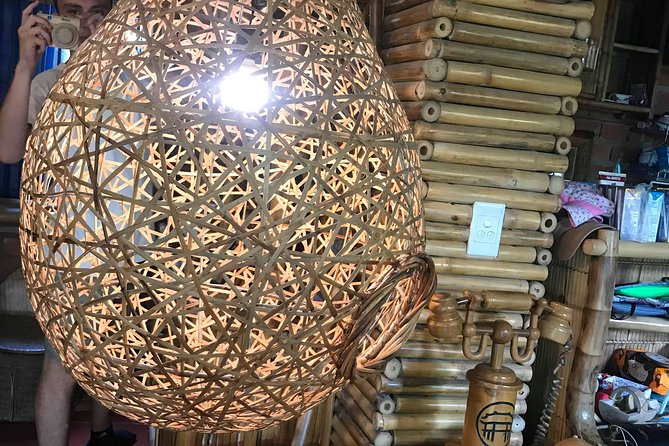
The central part of the visit is your own creative time. You use the supplied tools and materials to make the item you selected, with facilitators offering help as needed.
The balance here is appealing. You do the work yourself, but you are not left to guess your way through it. One particularly positive detail is the emphasis on a craftsman checking that the finished piece is of good quality. That is important because a first attempt can need a little correction before it is ready to take home.
You also get time to draw your memories on the product. This turns a standard bamboo object into a personal record of your visit. Keep your design simple enough to finish within the session, since the activity has several parts beyond the making itself.
The best approach is to treat the object as a souvenir with fingerprints on it, not as a perfect shop item. Small irregularities are part of the point. At the same time, the available help means you should not have to accept a damaged or unfinished piece simply because you are new to the craft.
The English-speaking instruction is another practical advantage. You can ask questions about the material and the process without relying only on gestures or translation apps.
The final sharing and your souvenir
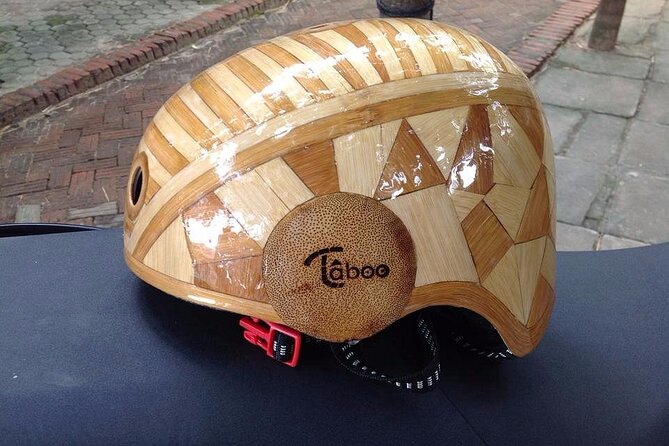
At the end, the group shares thoughts about the experience before taking the finished product home. This closing conversation gives the session a proper finish rather than ending the moment the last tool is put down.
You receive a souvenir gift as part of the experience. Your handmade product is also yours to keep. The separate purchase of bamboo products is not included, so remember the difference between the supplied souvenir and any additional items you might want to buy.
Alcoholic beverages are not included. That is unlikely to matter for most people, since the focus is on instruction and making rather than dining or nightlife.
Your finished item may be small enough to carry easily, but the exact product is not stated. If you are nearing the end of a long trip, this is still a sensible souvenir choice because you take home something connected to your own time at the workshop.
Is $48 a fair price?
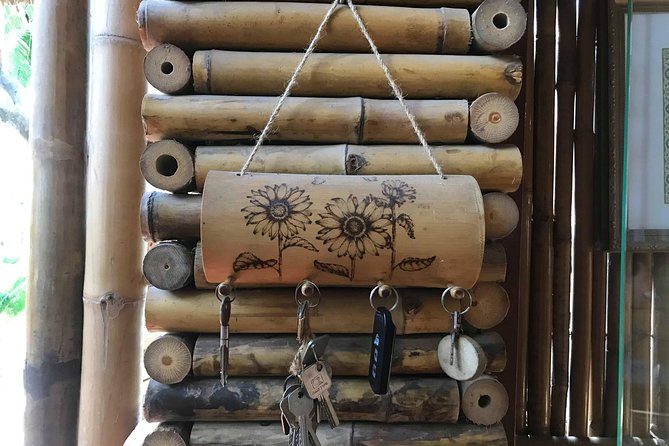
At $48 per person, this is not the cheapest craft activity you could find in Hoi An. The value depends on what you want from the afternoon.
You are paying for about four hours, an English-speaking instructor, tools, materials, water, cultural explanation, guided creative work, and a souvenir gift. You also take home the item you make. If you bought a bamboo product in a market, you would likely spend less, but you would not receive the same explanation or personal involvement.
I think the price works best for you if you want a structured cultural activity with a finished object at the end. It is less compelling if your only goal is to buy bamboo products or take a quick look at traditional crafts.
The private format helps the value. Your group participates together rather than being folded into a general public class. Still, you should keep the crowding concern in mind. The workshop has received an overall rating of 4.9 out of 5 and a 93 percent recommendation rate, but the less positive account points to a real operational issue: machines and staff can feel stretched when the room is busy.
That makes the timing of your visit important, though no quiet period is promised. If you need a calm, carefully paced craft lesson, ask the provider about expected capacity before booking.
Who will enjoy this most
I would recommend Taboo Bamboo Workshop to you if you like making things with your hands, want a souvenir with a personal story, or prefer local craft to a standard sightseeing stop.
Families and small private groups may find the format especially useful because everyone can work on an item while sharing the same introduction. The activity also suits people who do not consider themselves artistic. General instruction and facilitator help are included, and the point is participation rather than professional-level results.
It is a good fit for anyone interested in sustainable materials and traditional homes. You learn how bamboo is used in Vietnam, how it is treated in Cam Thanh, and how a local family has kept its passion for the material across three generations.
I would be more cautious if you dislike hands-on tasks, want a short stop, or expect a quiet studio with a dedicated machine for every person. Four hours is a meaningful block of your Hoi An schedule, and the workshop can become crowded during the creative phase.
The activity is also weather-dependent. If poor weather causes cancellation, you are offered another date or a full refund. For a full refund after a change of plans, cancel at least 24 hours before the start time. Changes or cancellations inside that window are not accepted.
My booking advice
Book this workshop if you want to understand bamboo before you buy it, then make a personal souvenir with guidance from an English-speaking instructor. The strongest reasons to go are the three-generation family story, the Cam Thanh setting, the practical look at Vietnamese bamboo homes, and the chance to leave with something you helped create.
I would not book it simply as a shopping trip. You are paying for time, explanation, tools, and instruction. Also, leave some flexibility in your expectations during the making stage, since the workshop may be busy and the help available can be stretched.
For the right person, $48 buys more than an object. It buys a few hours of learning, making, and remembering Hoi An in a way that a ready-made market souvenir cannot quite match.
FAQ
Where is Taboo Bamboo Workshop?
The meeting point is Taboo Bamboo Workshop at Thanh Tam Dong, Tran Nhan Tong, Cam Thanh, Hoi An, Quang Nam 51000, Vietnam.
How long does the activity last?
The experience lasts approximately four hours.
Does the activity start and end at the same place?
Yes. It starts at Taboo Bamboo Workshop and ends back at the meeting point.
What is included in the price?
The experience includes an English instructor, tools, materials, water, and a souvenir gift.
Is the item I make included?
Yes. You take the product you make with you as a souvenir.
Are additional bamboo products included?
No. Buying extra bamboo products is not included.
Are alcoholic beverages included?
No. Alcoholic beverages are not included.
Is this a private activity?
Yes. Only your group participates in the private activity.
Is the workshop accessible by public transportation?
The workshop is near public transportation.
What happens if bad weather cancels the activity?
You are offered a different date or a full refund if poor weather causes cancellation. For a full refund when canceling yourself, cancel at least 24 hours before the start time.
Just added in Hoi An
- Hoi An: Ylang Ylang Spa Experience (Free pick up for 2pax++)★ 4.5 · 17 reviews
- Vietnamese Cooking Class with Local Family in Hoi An★ 4.9 · 20 reviews
- Hoi An Countryside Bicycle Tour : 25 Km Real Vietnam★ 5.0 · 12 reviews
- Vietnamese Coffee Making Class in Hoi An★ 5.0 · 4 reviews
- Vegetarian Cooking Class with Local Family in Hoi An★ 4.6 · 5 reviews
- Vegetarian Cooking Class W Optional Basket Boat from Hoi An★ 4.5 · 5 reviews
- My Son Sanctuary Private Tour – Early Morning or Half Day Tour★ 5.0 · 15 reviews
- Traditional Vietnamese Cooking Class in Leina Cookery★ 5.0 · 12 reviews
Hoi An Craft Village Workshops, compared.
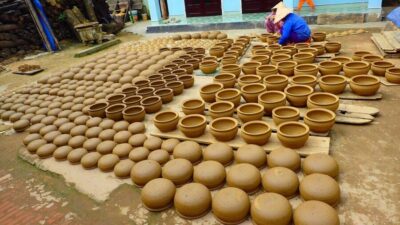
Thanh Ha Village Tour with Pottery Making and Gift
Read our review →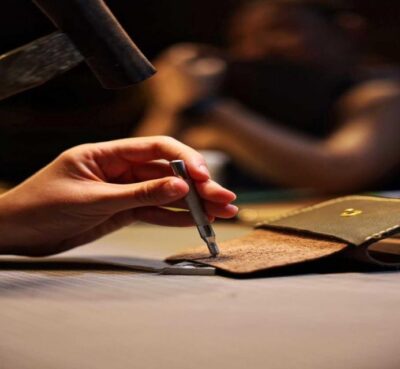
Handmade Leather Crafts Workshop (Starter Course)
Read our review →
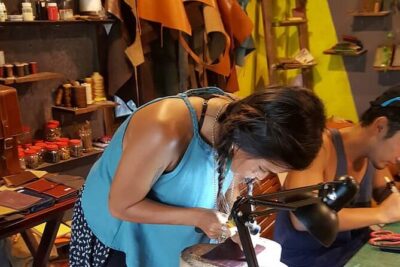
Discover Leather Workshops Experience in Old Town Hoi An
Read our review →
Hoi An Countryside Tour:CamKim Island, Craft Villages&Basket Boat
Read our review →
Hoi An Wood Carving: Create Your Art Wood with Master Artisan
Read our review →
Hoi An Ceramic/Pottery/Lantern Making Class Cafe & Basket Boat
Read our review →Browse the lists this tour appears in