
Reviewed · HUE DAY TRIPS
Hue City Tour with Dragon Boat from Hue or Danang or Hoi An
Hue is Vietnam’s former imperial capital, and this tour gives you the full picture in one long day: royal palaces, Buddhist sites, and grand tombs linked by the Perfume River. You can start in Hue, Danang, or Hoi An, with private transport from the latter two.
I like the blend of places, especially the Imperial Citadel and dragon boat cruise. I also like that the guide can explain the less polished parts of palace life, including wives, concubines, and eunuchs. The main drawback is the pace. From Hoi An or Danang, the round trip takes much of the day, and entrance fees are extra.
Key points to know before booking
- Three major royal tombs are covered: Tu Duc, Minh Mang, and Khai Dinh, subject to the exact option and available time.
- The Imperial Citadel takes about two hours, enough to see its key buildings without treating every courtyard as a quick photo stop.
- A private dragon boat ride carries you along the Perfume River from Thien Mu Pagoda toward Hue.
- Hai Van Pass and Lap An Lagoon add scenic stops when you travel from Danang or Hoi An.
- Guide Nhien is specifically noted for kind, careful service and for answering questions during a private tour.
- The listed price is $22 per person, but royal-site entrance tickets are not included, so check the final option and costs before paying.
Why this Hue tour works as a one-day introduction
Hue can feel scattered. The Citadel sits near the city center, Thien Mu Pagoda follows the river, and the royal tombs lie outside the central area. A private car links these sites far more neatly than trying to piece together separate taxis and boat trips.
The tour also gives you several ways to see Hue. You walk through imperial compounds, listen to stories about the Nguyen kings, visit a working Buddhist site, and sit on the Perfume River. That mix matters. If you only visit the Citadel, Hue can seem like a damaged palace complex. If you only visit tombs, you miss the city’s religious and political center.
The schedule is full, particularly from Hoi An. The advertised duration ranges from three to eleven hours, depending on your pickup point and selected plan. A Hue-based visit is naturally shorter. From Danang, the drive is about three hours each way, while Hoi An takes about three and a half hours each way, before adding the sightseeing.
More Hue trips from Hoi An:
- Da Nang/Hoi An: Hue Imperial City via Hai Van Pass & Lunch
★ 4.7 · 753 reviews - Top Gear Hai Van Pass between Hoi An or Da Nang to Hue
★ 5.0 · 201 reviews - Hoi An To Hue Private Car With English Speaking Driver
★ 5.0 · 179 reviews
Hai Van Pass and Lap An Lagoon on the road from Danang or Hoi An
The drive from Danang or Hoi An is not simply a transfer. You stop at Hai Van Pass for about 15 minutes, with time for photos and views from the road. The pass is one of the most memorable sections of the journey, but the stop is brief, so think of it as a useful break rather than a full visit.
Lap An Lagoon is another roughly 15-minute stop. You have time to walk, take pictures, and look across the water. The stop adds variety to a long drive, though anyone hoping for a slow morning beside the lagoon may find the timing tight.
I like these breaks because they split the journey into manageable sections. Still, you should be honest with yourself about the travel time. A private vehicle is more comfortable and flexible than a shared bus, but the day remains road-heavy when starting in Hoi An.
Inside Hue’s Imperial Citadel and Forbidden Purple City

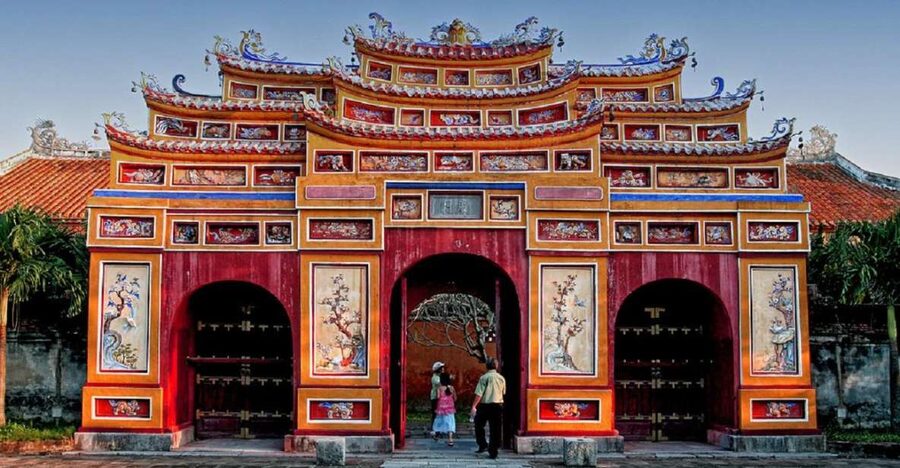
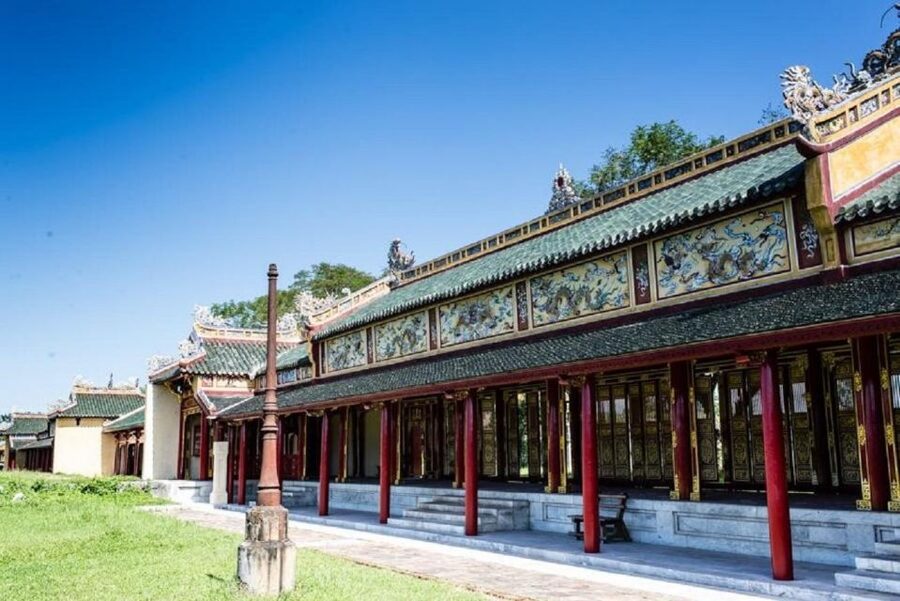
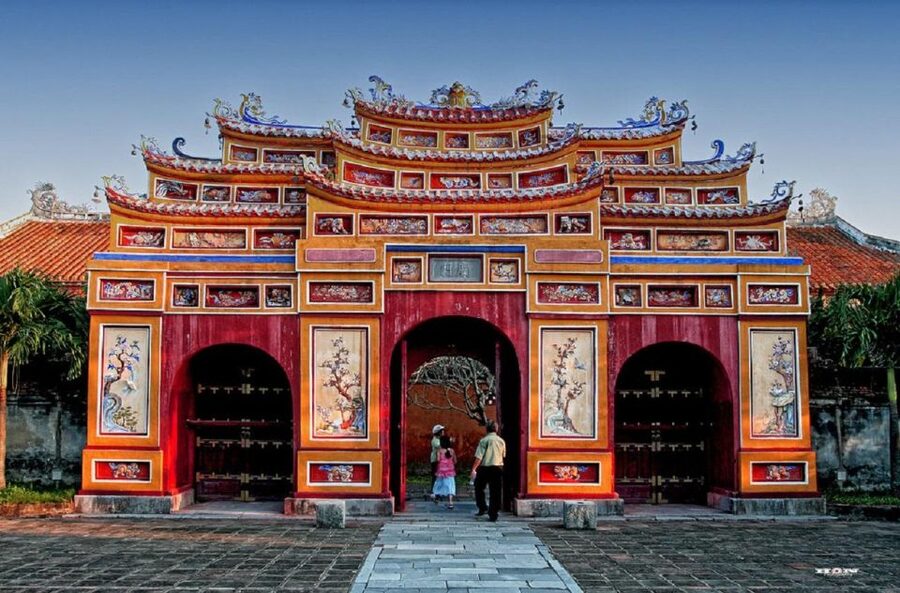
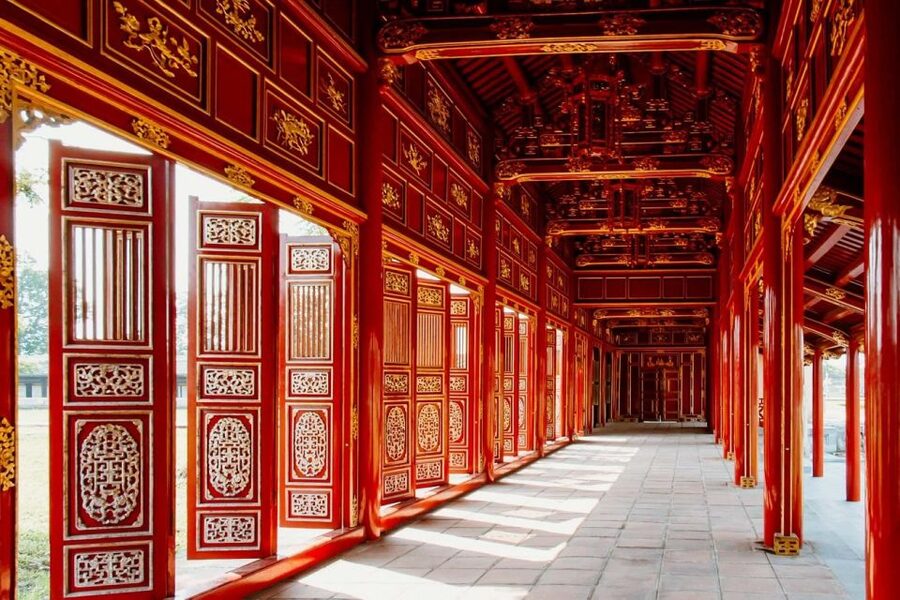
The Imperial Citadel is the main event. Its walls were built between 1804 and 1833, and the complex includes the Flag Tower, Nine Holy Cannons, Supreme Harmony Palace, Nine Dynastic Urns, dynastic temples, ornate gateways, and the Forbidden Purple City.
You get about two hours here. That is enough time for a guided walk through the best-known areas, though not enough to study every surviving wall and restored building. The site suffered major damage during the French and American wars, and restoration remains part of what you see. Some structures feel grand and complete; others show missing sections or ongoing repair.
That mixture is not a flaw. It helps you understand that Hue is not a perfectly preserved royal set. It is a historic center shaped by war, weather, restoration, and changing use. Your guide can put the remaining buildings into context instead of leaving you to identify one palace after another.
The human side of the court is especially useful. You learn about the kings, their wives, concubines, and eunuchs. These details explain how the royal household functioned and why the Citadel was more than a palace for public ceremonies.
The Forbidden Purple City is a key stop, but keep expectations sensible. Parts were destroyed, so you will not find an untouched royal residence. The value lies in seeing the layout, the surviving structures, and the scale of the court.
Wear comfortable shoes and bring water. The complex involves walking between open courtyards and buildings, and the central Vietnam heat can make two hours feel longer than it sounds.
Thien Mu Pagoda and Hue’s Buddhist tradition

Thien Mu Pagoda sits on a hill overlooking the Perfume River and dates to 1601. It is the oldest and best-known Buddhist pagoda included in the route, and its position gives the visit a calmer rhythm after the Citadel.
The complex is important not only for its architecture. Your guide explains the role of Buddhism in local Vietnamese life, which helps connect the pagoda to the wider culture rather than treating it as another stop for photos.
You will also see the old car and photograph linked to the Buddhist monk who set himself on fire in 1963 to protest the South Vietnamese government’s religious policies. It is a serious and difficult part of modern Vietnamese history. A good guide handles it with care, and this is one reason a local English-speaking guide adds real value.
The scheduled stop is about 30 minutes, so you have time to see the principal areas and hear the story, but not to linger at length. Dress and behave respectfully at the temple. The stop is short, yet it asks for more attention than a quick snapshot.
More boat trips from Hoi An:
- Hoi An: Basket Boat Ride in the Coconut Forest
★ 4.9 · 4,956 reviews - Cooking Class Hoi An:Local Market, Basket Boat, Fishing & Cooking
★ 5.0 · 3,660 reviews - From Hoi An: Market Tour, Basket Boat Ride and Cooking Class
★ 4.8 · 2,208 reviews - Hoi An : Hoai River Boat Trip by Night and Floating Lantern
★ 4.6 · 1,988 reviews
A quiet ride on the Perfume River
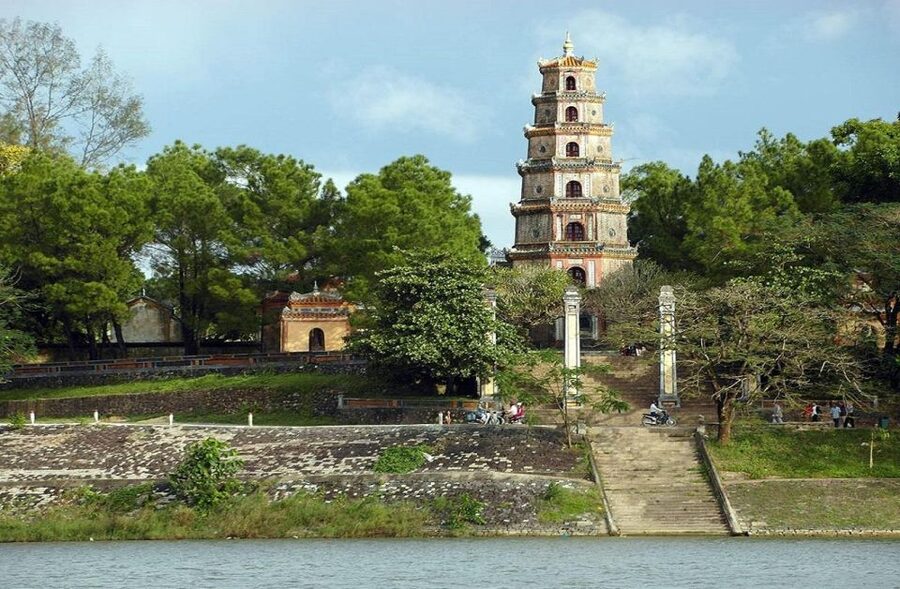
After Thien Mu Pagoda, you board a dragon boat for a ride on the Perfume River toward Hue. The cruise lasts about 20 minutes in the listed schedule. It is not a full river excursion, but it offers a welcome change from walking and driving.
I like this part because it connects the pagoda and city in a simple way. From the water, the route feels less hurried, and you get a different view of Hue’s riverfront. The boat also gives the day a clear sense of place. The Perfume River is not just a backdrop to the monuments; it is one of the routes that ties the city together.
The boat is described as private for the private tour. That is useful if you want to sit together and avoid a large group, but remember that a 20-minute cruise is fairly short. Book this for the experience of moving along the river, not for a lengthy sightseeing voyage.
After the cruise, the driver takes you to a local restaurant for lunch on the private-tour option. The included dish is bun bo Hue, the city’s well-known beef noodle soup. Food, drinks, and lunch arrangements differ if you choose the private car with driver option rather than the private tour, so check the selected package carefully.
Choosing among Tu Duc, Minh Mang, and Khai Dinh

The tour information describes three major Nguyen royal tombs. The full route lists Tu Duc, Minh Mang, and Khai Dinh, with about 30 to 45 minutes at each. Because time is limited, confirm whether your chosen plan includes one tomb or all three.
Tu Duc Tomb
Tu Duc Tomb was built between 1864 and 1867 by King Tu Duc for himself. It covered about 12 hectares and included separate temple and burial areas. The king sometimes lived and worked there during his lifetime, so the site functioned as more than a final resting place.
The story is unusual because the tomb became part of the king’s life before his death. You learn about the temple area, burial grounds, and spaces connected with the royal household, including the place associated with his minor wives and concubines after his death.
The scheduled visit is about 45 minutes. That gives you time to follow the guide and see the principal compounds, but the grounds are large enough that you will not inspect every corner.
Minh Mang Tomb
Minh Mang Tomb was begun by the king and completed by his son, King Thieu Tri, after Minh Mang’s death. Construction dates are given as 1840 to 1843, and the complex includes living and working areas for the king and queen, along with spaces connected with his minor wives and concubines.
This stop helps explain how royal tombs were planned as complete compounds, not just graves. The listed visit lasts about 45 minutes, giving you a focused look at the layout and the cultural meaning of the site.
Khai Dinh Tomb
Khai Dinh Tomb was built from 1920 to 1931 and is described as the Nguyen tomb with the strongest blend of Eastern and European styles. It is also identified as the tomb where the king was buried beneath the structure.
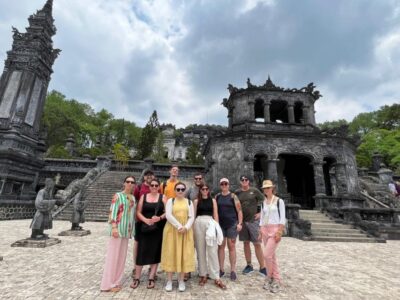
The visit is scheduled for about 30 minutes. That is short, but it suits a focused stop at a compact and visually distinct monument. If you enjoy comparing architectural styles, Khai Dinh is particularly useful because it looks different from the other royal sites.
Seeing all three tombs in one day gives you a helpful comparison, but it also makes the schedule demanding. Tu Duc offers the clearest look at a royal retreat and burial compound. Minh Mang explains the planned royal setting. Khai Dinh shows a later style with European influence. If your tour includes only one, choose based on those differences.
What the private format changes

A private group gives you more control than a large sightseeing coach. You can ask questions, keep the pace suited to your group, and explain if you need a brief pause. The guide can also spend more time on the topics you care about, such as court life, Buddhism, or architecture.
The supplied experience notes guide Nhien by name. She is described as kind, attentive, and respectful of the group’s needs, while answering questions clearly. That matters in Hue, where the sites can look impressive but confusing without a good explanation.
The private format is not a guarantee that every stop will be leisurely. The route still covers a great deal, especially from Danang or Hoi An. It simply gives you a better chance of using the available time well.
There are also two different types of arrangement to watch for. The private tour includes private transport, an English-speaking guide, the private dragon boat cruise, and bun bo Hue for lunch. The private car with driver option does not include the guide, food, or drinks, and entrance tickets remain extra.
Is $22 good value?

The listed price of $22 per person is attractive for a day built around private transport, a guide, and a boat ride. It can be strong value if you select the private-tour package and split the vehicle cost among several people.
Do not treat $22 as the complete cost without checking the details. Entrance tickets to the Imperial Citadel and royal tombs are excluded. The inclusions also differ between the private tour and private car with driver option.
The value is strongest for couples, families, or small groups that want one vehicle and one guide. Solo visitors should compare the total price with other Hue options, since private transport costs are easier to justify when shared.
The price also buys convenience. You avoid arranging separate transport between the Citadel, pagoda, river, and tombs. From Danang or Hoi An, the value includes the scenic road stops and return transfer, though the long drive is part of the tradeoff.
Who should book this experience?
I would recommend it to you if this is your first visit to Hue and you want the main imperial, religious, and royal sites in one organized day. It suits people who value explanation over wandering alone, and those who prefer a private car to a large group vehicle.
It is also a good fit for families or small groups that want to ask questions and adjust the pace. The dragon boat ride gives children and less history-focused companions a break from palace and tomb visits.
I would hesitate if you dislike long road days, want quiet time at each monument, or have already visited Hue’s main sites. Starting in Hoi An means about three and a half hours of driving each way, before adding the city tour. From Hue, the experience makes more sense as a concentrated day of sightseeing.
Book after confirming three points: which tombs are included, which costs cover your chosen option, and whether the $22 price includes the service level you want. If those details match your plans, this is a practical way to see Hue’s major sights without losing the local context.
FAQ
Where can I start the Hue City Tour?
You can start from Hue, Danang, or Hoi An. Pickup is available from city-center hotels or a train station in Hue, and you should provide your address or train details.
How long does the tour last?
The stated duration ranges from 3 to 11 hours. The total depends on your pickup location and selected option.
How long is the drive from Danang to Hue?
The drive takes about three hours each way from Danang.
How long is the drive from Hoi An to Hue?
The drive takes about three and a half hours each way from Hoi An.
Is transport private?
The private-tour option includes private car transfer from Danang or Hoi An to Hue and back. The tour is described as a private group experience.
Is a guide included?
The private tour includes an English-speaking local guide in Hue. The private car with driver option does not include a tour guide.
Is lunch included?
Bun bo Hue, or Hue beef noodle soup, is included for the private-tour option. Food and drinks are not included with the private car with driver option.
Are entrance tickets included?
No. Entrance tickets to the Imperial Citadel and royal tombs are not included.
Which royal tombs can be visited?
The route lists Tu Duc Tomb, Minh Mang Tomb, and Khai Dinh Tomb. The supplied details also describe visiting one of the three, so confirm the exact selection when booking.
Can I cancel the tour?
You can cancel up to 24 hours in advance for a full refund. The activity also offers reserve-now, pay-later booking.
Just added in Hoi An
- Hoi An: Ylang Ylang Spa Experience (Free pick up for 2pax++)★ 4.5 · 17 reviews
- Vietnamese Cooking Class with Local Family in Hoi An★ 4.9 · 20 reviews
- Hoi An Countryside Bicycle Tour : 25 Km Real Vietnam★ 5.0 · 12 reviews
- Vietnamese Coffee Making Class in Hoi An★ 5.0 · 4 reviews
- Vegetarian Cooking Class with Local Family in Hoi An★ 4.6 · 5 reviews
- Vegetarian Cooking Class W Optional Basket Boat from Hoi An★ 4.5 · 5 reviews
- My Son Sanctuary Private Tour – Early Morning or Half Day Tour★ 5.0 · 15 reviews
- Traditional Vietnamese Cooking Class in Leina Cookery★ 5.0 · 12 reviews
Hue Day Trips, compared.
Top Gear Hai Van Pass between Hoi An or Da Nang to Hue
Read our review →


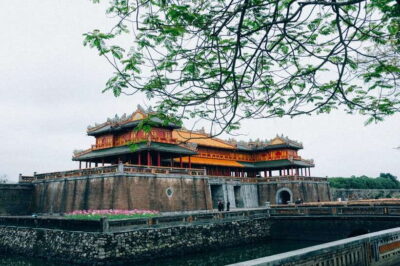
From Hoian & Danang: Hue City Tour with HaiVan Pass
Read our review →
Browse the lists this tour appears in