
Reviewed · HOI AN ANCIENT TOWN WALKING TOURS
Hoi An walking Tour – Private Tour
Hoi An’s old town makes far more sense when someone explains how Chinese, Japanese, and Vietnamese merchants shaped it. This private walk follows that story through five important sights, including the Japanese Covered Bridge and the 18th-century Quan Thang House. I like the compact route and the chance to ask questions instead of following a large crowd.
I also like the guide’s personal connection to Hoi An. Hai is described as a fourth-generation local with excellent English, a good sense of humor, and an easygoing manner. The main drawback is that the tour can feel short if you want long visits inside every building, and the $69 price is considerable for a two to three-hour walk.
Key points at a glance
- A local guide named Hai: Expect clear English, strong local knowledge, and a friendly pace.
- Five central sights: The route covers the History Museum, Quan Thang House, Phuc Kien Assembly Hall, the Japanese Covered Bridge, and Tan Ky House.
- A useful history lesson: You’ll learn how Hoi An developed as a trading port and how several cultures left their mark.
- Private format: The experience is arranged as a private tour, with a maximum of 10 participants.
- Free afternoon afterward: The morning or earlier portion leaves time for your own meals, shopping, cafés, or further exploring.
- Flexible booking terms: Cancellation is free up to 24 hours before the start, while poor weather may lead to a new date or full refund.
Why this short walk works well in Hoi An
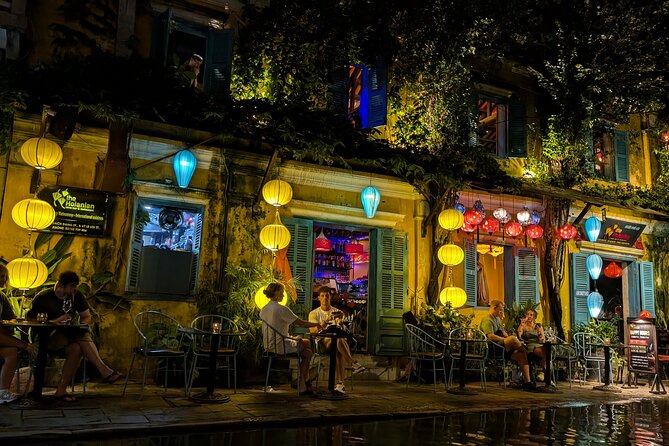
Hoi An is easy to walk, but its old houses and religious buildings can look like a string of attractive façades if you do not know what you are seeing. This tour gives those buildings a clear purpose. You move from museum displays to merchant homes, a Chinese assembly hall, a Japanese bridge, and one of the town’s best-known residences.
I like this order because it begins with background before sending you into the streets. The History Museum provides a basic timeline, then the rest of the route shows how that story appears in actual buildings. You are not simply checking off photo stops. You are connecting trade, migration, worship, and domestic life.
The experience lasts about two to three hours. That is enough time for a useful introduction without taking over your whole day. It also suits the hot climate better than a long walking excursion. You should still expect to walk outdoors between stops, so comfortable shoes, water, and protection from the sun make sense.
The tour is listed as private, though the maximum size is 10 people. That is still much more manageable than a large group, and it should give you room to ask Hai about details that catch your attention. If you are booking for only two people, confirm exactly how the private arrangement is handled.
More Ancient Town walks in Hoi An:
- Hoi An Ancient Town Walking Tour with a Local
★ 5.0 · 517 reviews - The Lantern Lady: Traditional Lantern Class in Old Town
★ 4.9 · 444 reviews - Hoi An Ancient Town – Walking Tour with Local Guide
★ 4.9 · 385 reviews
Starting with Hoi An’s History Museum
The Hoi An History Museum is the right first stop because it gives you a framework for the rest of the walk. Its displays introduce the town’s historical development and cultural background, helping you understand why Hoi An contains such a mix of architectural styles and religious traditions.
I would pay close attention here, even if museums are not normally your first choice. The later stops are easier to appreciate when you know that Hoi An grew through contact among Vietnamese, Chinese, Japanese, and other merchant communities. This opening visit should also help you place the old town within the story of a trading port that developed over several historical periods.
The museum is less about a single dramatic object and more about orientation. It gives you the basic facts before Hai points out the details that can be missed while walking. Since the overall tour is short, the stop is likely to be fairly focused rather than a lengthy museum visit.
Reading the merchant’s home at Quan Thang House
At 77 Tran Phu, Quan Thang House offers a close look at Hoi An’s old merchant architecture. Built in the 18th century, it was originally owned by a Chinese captain and merchant. That detail matters because the building is not just an old residence. It reflects the international trading life that helped shape the town.
Inside, you can expect the house itself to carry much of the lesson. Traditional homes in Hoi An often show how business and family life were arranged under one roof, though the exact parts explained during your visit will depend on your guide and the pace of the day.
This is one of the tour’s more useful stops for anyone interested in architecture. It lets you compare a working merchant residence with the public and religious buildings that come later. I would ask Hai how the house’s Chinese ownership fits into Hoi An’s wider trading community. His local background should make that sort of question worthwhile.
One limitation is that a historic house visit can be brief. If you want detailed architectural study or lots of time for photographs, you may feel hurried by the group’s overall schedule. The benefit is that you see it as part of a larger story rather than spending the entire morning at one building.
Meeting the sea goddess at Phuc Kien Assembly Hall
The Phuc Kien Assembly Hall at 46 Tran Phu is dedicated to Thien Hau, the goddess of the sea. It was connected with the Fukien community, one of the Chinese groups that formed part of Hoi An’s merchant world.
This stop adds a religious and community layer to the tour. Merchant groups did not simply trade and leave. They built places where people could worship, meet, support one another, and preserve customs far from their original homes. That makes the assembly hall especially useful for understanding how Hoi An’s communities organized themselves.
I like this part of the route because it moves beyond private houses. You see how shared identity appeared in public religious spaces. Details such as the hall’s dedication to a sea goddess also fit the lives of people whose work depended on shipping and coastal trade.
Allow time for quiet observation. Assembly halls are places where decoration and layout often matter as much as the headline facts. Hai’s explanations should help you notice what you might otherwise walk past. The exact amount of time here will depend on the day, so tell him if this is one of the stops you most want to study.
More walking tours in Hoi An:
- Evening Walking Food Tour, folk game and lantern boat
★ 5.0 · 665 reviews - Hoi An Street Food Walking Tour with Tastings
★ 5.0 · 317 reviews - Hoi An Walking Tour
★ 5.0 · 269 reviews - Cham Island: Underwater Walking & Snorkeling Tour
★ 4.4 · 112 reviews
The Japanese Covered Bridge and its layered story
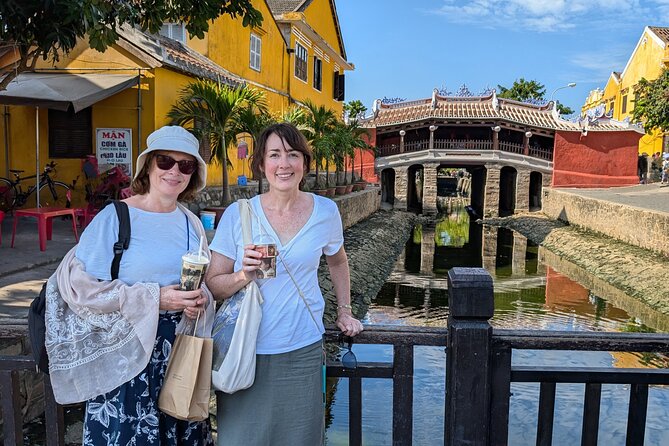
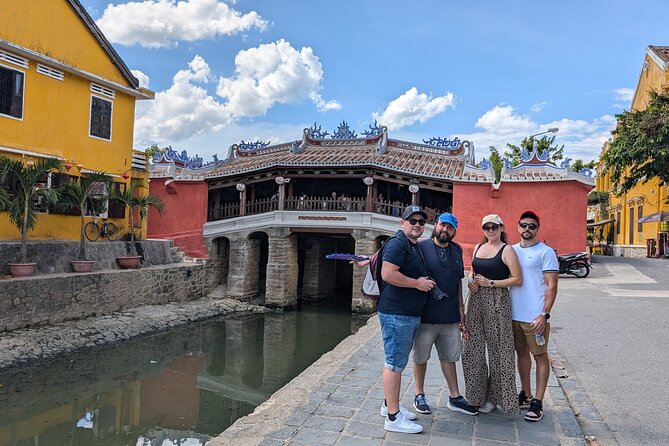
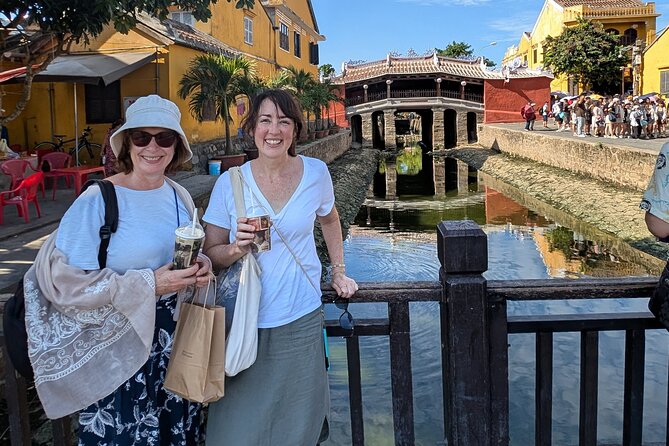
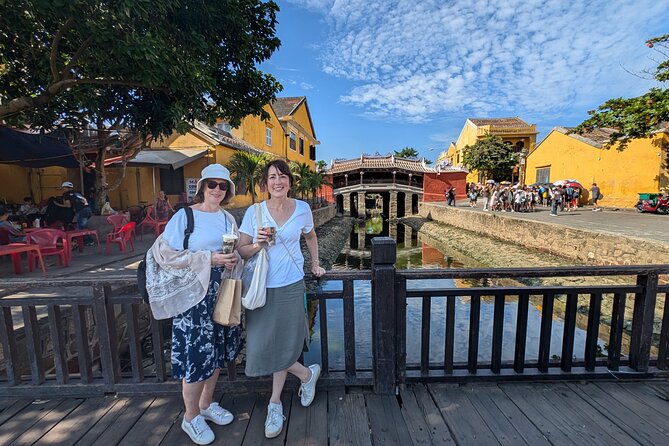
The Japanese Covered Bridge, also called Chua Cau or the Pagoda Bridge, is the stop most people already recognize. Japanese craftsmen built it during the period when Japanese merchants formed an active community in Hoi An.
It is an essential sight, but it is also the place most likely to feel crowded and hurried. A guide makes the visit more useful by explaining why the bridge was built and how it fits the town’s Japanese connection. Without that context, you may simply take a photograph and move on.
I appreciate that the route treats the bridge as part of Hoi An’s international past, not as an isolated landmark. After seeing a Chinese-owned merchant house and a Fukien assembly hall, you can better understand the range of communities that shaped the old town.
The bridge is a compact structure, so do not expect a long visit inside it. The value comes from the story, the setting, and the chance to see how one small building has become a symbol of Hoi An. If photography is important to you, ask Hai when the best moment is available, since the route is designed around explanation as well as pictures.
Tan Ky House and the final architectural comparison
The last listed stop is Tan Ky ancient house. It is not the oldest house in Hoi An, but its design is considered one of the town’s most typical. That makes it a fitting ending: after seeing one specific 18th-century merchant residence, you get another example that helps you compare domestic architecture.
Tan Ky House is valuable because it brings the tour back to everyday life. Assembly halls and bridges tell public stories, while an ancient home shows how families lived and worked. Listen for the ways the house reflects more than one cultural influence. Hoi An’s old architecture often makes sense only when you look at its connections rather than assigning every feature to a single tradition.
This is also where the tour’s short format becomes apparent. Five major stops in two to three hours means you are getting an introduction, not an exhaustive architectural study. I see that as a strength for first-time visitors, but a limitation for anyone who has already explored Hoi An and wants specialist-level detail.
What Hai adds to the experience
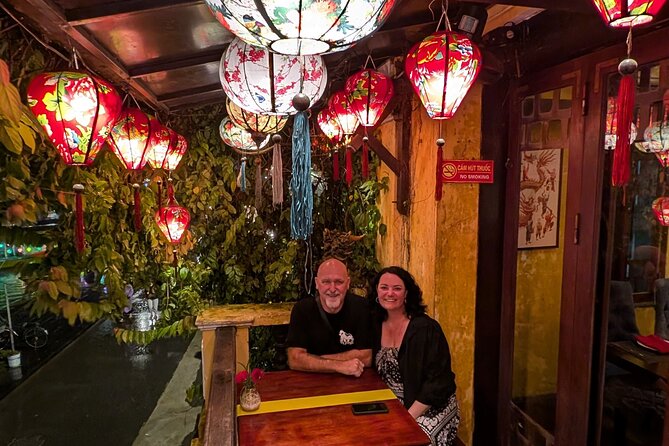
The guide can make or break a short historic walk. Hai receives particularly strong praise for his English, clear explanations, friendly personality, and ability to answer questions. He is also described as a fourth-generation local, which gives the experience a personal connection to Hoi An rather than a purely textbook feel.
You can expect a relaxed pace with frequent short stops for explanation. That style works well in an old town where the most interesting details may be on a doorway, courtyard, roofline, or side street rather than at a formal attraction.
Hai is also described as open to suggestions and changes. That does not mean every stop can be replaced, but it suggests you should speak up if you want more time at a particular site or have a special interest in history and culture. A private tour is most useful when you treat it as a conversation rather than a fixed speech.
Some feedback also praises Hai’s humor. That matters on a history walk. Dates and names are easier to follow when the guide keeps the tone human and informal.
Price, timing, and what the value depends on
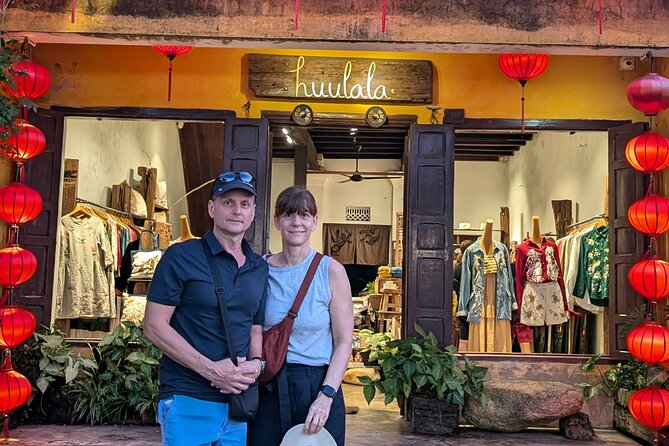
At $69 per person, this is not the cheapest way to walk around Hoi An. You can see the streets and some exterior views on your own for nothing. The fee pays for structure, interpretation, and the ability to ask a local guide about the places in front of you.
The value is strongest for a first visit. If you know little about Hoi An’s trading past, the museum and five-site route can save you from piecing together scattered information. It is also a sensible choice if you have only a short stay and want an efficient introduction before exploring independently.
The value is weaker if you have already visited each site, prefer unstructured wandering, or want a full-day tour. Two to three hours is intentionally compact. You are paying for focus, not volume.
Pickup is offered, and the starting location is listed in Hoi An. Confirm the exact meeting arrangement before setting out, especially if you are staying outside the old town. The experience is near public transportation, and most people can participate, but it remains a walking activity with outdoor sections.
Lunch and water should be clarified before booking. One account connected with the tour mentions both, but the main tour details do not clearly establish them as standard inclusions. Do not build your meal plans around that point without confirming it.
Using the free afternoon wisely
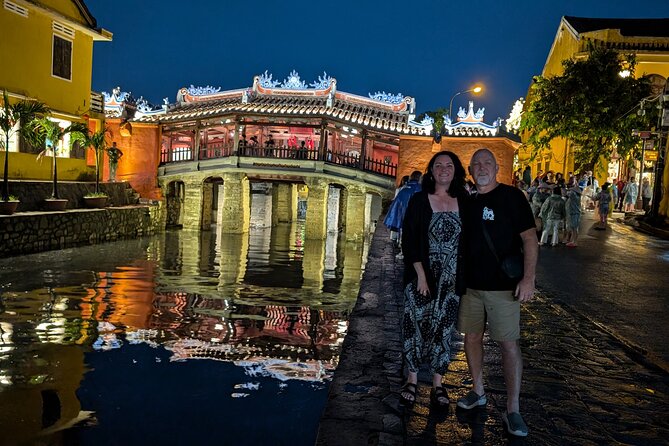
The open afternoon is one of the tour’s practical advantages. Once the guided walk ends, you can return to a house or hall that interested you, find lunch, browse Hoi An’s shops, or simply explore at your own pace.
I would schedule this experience early enough to leave yourself time afterward. The tour gives you the background needed to make independent wandering more rewarding. You may notice architectural details you would have missed in the morning, or decide to spend longer at a site that received only a short explanation.
The free time also keeps the tour from feeling over-programmed. You get a focused history lesson, then room for your own plans. That balance suits people who want guidance but do not want every hour of the day arranged for them.
Who should book this Hoi An walk?
I would recommend it to first-time visitors, couples, families, and anyone who wants a calm introduction to the old town. It is especially useful if you value clear English, local stories, and the freedom to ask questions.
It also suits people who prefer small groups. The stated maximum of 10 is not the same as a guaranteed two-person tour, so confirm the setup if privacy is essential. The format should still feel more personal than a large sightseeing group.
You may want another option if you need extensive museum time, have limited mobility, or want a full-day cultural program. The supplied information says most people can participate, but it does not provide a detailed accessibility description. Ask about walking distances and surfaces before booking if those details matter to you.
Free cancellation is available up to 24 hours before the start time. Cancellations inside that window are not refunded, and poor weather can lead to a different date or a full refund. That policy is worth noting in a city where heavy rain can change walking conditions quickly.
Should you book it?
Book this tour if you want Hoi An’s famous sights explained by a local guide rather than seen as a string of pretty buildings. The strongest reasons are Hai’s reported English and easy manner, the useful mix of homes and public sites, and the free afternoon that follows.
Skip it if you already understand Hoi An’s history or would rather wander without a schedule. At $69 per person, the tour needs to provide real interpretive value, and it is best suited to people who want context in a short, private-style outing. For a first visit, it offers a sensible introduction with enough free time left to make the town your own.
FAQ
How long does the Hoi An walking tour last?
The tour lasts approximately two to three hours.
Where does the tour start?
The listed starting location is Hoi An, Quang Nam, Vietnam. Pickup is offered, so confirm the exact meeting point when booking.
Which sights are included?
The route includes Hoi An History Museum, Quan Thang House, Phuc Kien Assembly Hall, the Japanese Covered Bridge, and Tan Ky ancient house.
Is the tour private?
The experience is described as a private tour, with a maximum of 10 participants.
Who guides the tour?
Hai is identified as the guide in the available tour details and guest comments. He is described as a fourth-generation local with excellent English.
Is lunch included?
The main tour information does not clearly confirm lunch as a standard inclusion. One account mentions water and lunch, so you should confirm this directly before booking.
Can I cancel for a full refund?
Yes. You can cancel at least 24 hours before the local start time for a full refund. If poor weather cancels the experience, you will be offered another date or a full refund.
Just added in Hoi An
- Hoi An: Ylang Ylang Spa Experience (Free pick up for 2pax++)★ 4.5 · 17 reviews
- Vietnamese Cooking Class with Local Family in Hoi An★ 4.9 · 20 reviews
- Hoi An Countryside Bicycle Tour : 25 Km Real Vietnam★ 5.0 · 12 reviews
- Vietnamese Coffee Making Class in Hoi An★ 5.0 · 4 reviews
- Vegetarian Cooking Class with Local Family in Hoi An★ 4.6 · 5 reviews
- Vegetarian Cooking Class W Optional Basket Boat from Hoi An★ 4.5 · 5 reviews
- My Son Sanctuary Private Tour – Early Morning or Half Day Tour★ 5.0 · 15 reviews
- Traditional Vietnamese Cooking Class in Leina Cookery★ 5.0 · 12 reviews
Hoi An Ancient Town Walking Tours, compared.

The Lantern Lady: Traditional Lantern Class in Old Town
Read our review →

Hoi An Night Market – Ancient Town street food tours by Night
Read our review →
Hoi An Ancient Town – Night Market Street Food Tours By Night
Read our review →

PRIVATE Hoi An Ancient Town – Night Market Street Food By Night
Read our review →Browse the lists this tour appears in