
Reviewed · HOI AN
Hidden Gems of Old Hoi An
Hoi An’s best food stories are often found behind the lantern-lit shopfronts. This 3 to 4-hour walk takes you through narrow lanes to family-run workshops making cao lau noodles and bean sprouts, then connects those foods to markets, temples, homes, and the town’s mixed Japanese, Chinese, and Western influences.
I like two things right away: the small group, limited to 10 people, keeps the walk personal, and the food is tied to real producers rather than presented as a string of restaurant samples. Guides such as Kiwi, Quynh, Kim, Lien Lien, and Emily are praised for clear explanations and warm care.
The main consideration is physical comfort. You will walk for several hours through backstreets and local areas, sometimes in heat or traffic, so this suits you best if you have moderate fitness and do not mind an early start.
Key points at a glance
- See food made by hand: Visit family operations producing cao lau noodles and mung bean sprouts.
- Start before the crowds: Some morning departures begin around 6 a.m., when local life is already underway.
- Taste five to seven items: The tastings include local foods, market snacks, bottled water, and coffee or tea.
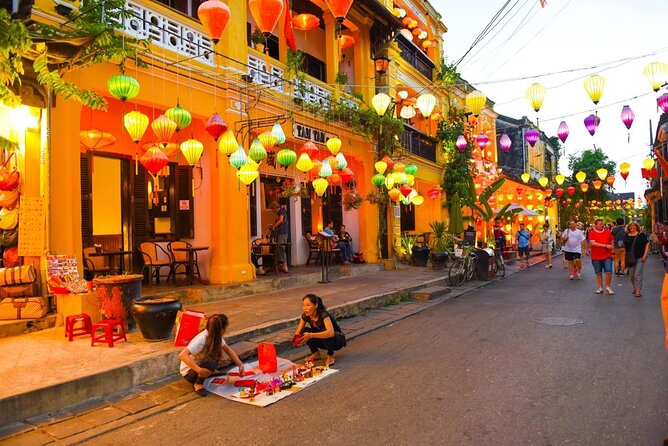
- Walk beyond the main lanes: The route uses alleys and quieter streets that are easy to miss on your own.
- Learn Hoi An through food: Your guide links local cooking to Japanese, Chinese, and Western influence.
- Keep the group small: A maximum of 10 people makes questions and personal attention easier.
Why Hoi An’s backstreets tell the better food story
Hoi An Ancient Town is easy to admire from its main streets, but those streets show only the polished front of the place. This walk takes you farther into the everyday town, where family businesses still make ingredients by hand and local routines continue beyond the shopping lanes.
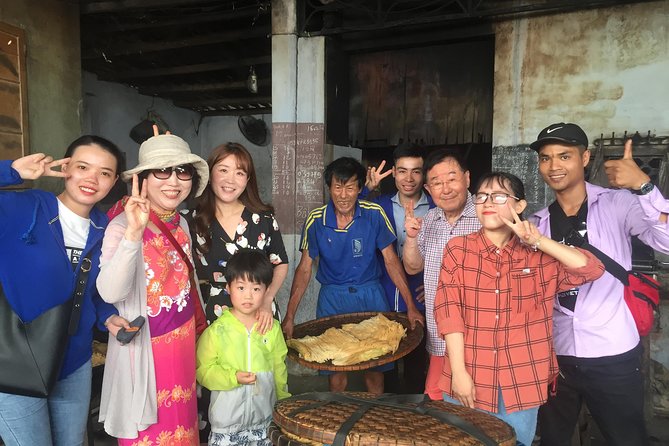
The strongest part of the experience is the connection between making and eating. You do not simply hear that cao lau noodles matter to Hoi An. You see how they are produced, meet the people involved, and later taste food that uses the ingredient.
That link gives the tour more weight than a standard food crawl. You also learn about bean sprouts, local markets, family temples, architecture, and daily life. Food becomes the thread connecting these subjects.
The guides are a major part of the experience. Kiwi, also called Quyen or Quinni in some tour details, appears often as a guide, along with Kim, Quynh, Van, Emily, Lily, Swan, Harry, and Lien Lien. The guide assigned to your group may differ, but the information provided points to a local team used to explaining Hoi An in an easy, friendly way.
Other days out in Hoi An that people book alongside this one:
- Hoi An: Basket Boat Ride in the Coconut Forest
★ 4.9 · 4,956 reviews - Hoi An: Vietnamese Coffee Culture and Coffee Making Class
★ 4.9 · 4,006 reviews - Hoi An: Vietnamese Foldable Lantern Making Class
★ 4.9 · 3,742 reviews
The early start and the quieter side of town
You can choose a morning or afternoon departure. The morning option has a clear practical advantage: it lets you see Hoi An before the main sightseeing streets fill up. Some morning groups have started around 6 a.m., which is early by holiday standards, but useful in hot weather.
At that hour, the town feels more like a place where people live and work than a photo setting. You may pass through streets used by residents going about their day, with fewer tour groups around. That quieter setting also makes it easier to listen while your guide explains the stops.
The afternoon choice may suit you better if you dislike early starts. It still offers the same broad mix of food, local production, streets, and cultural information, though the morning has the strongest advantage for cooler temperatures and a more local rhythm.
Your start point is listed at 03 Phan Đình Phùng, Cẩm Sơn, Hoi An. Complimentary pickup is offered from select Hoi An hotels, so check your hotel eligibility when booking. The walk ends at Bill Coffee & Tea on 22 Trần Hưng Đạo, giving you a clear finish in town rather than returning you to the starting point.
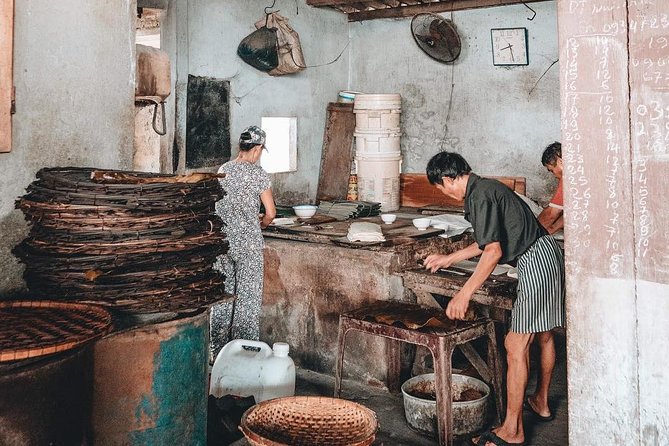
Inside the cao lau noodle workshop
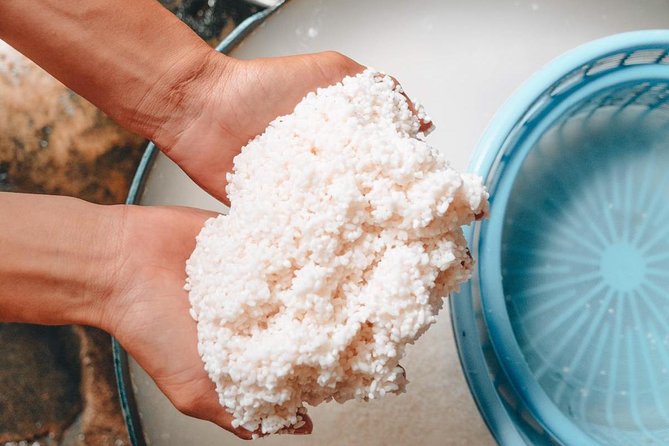
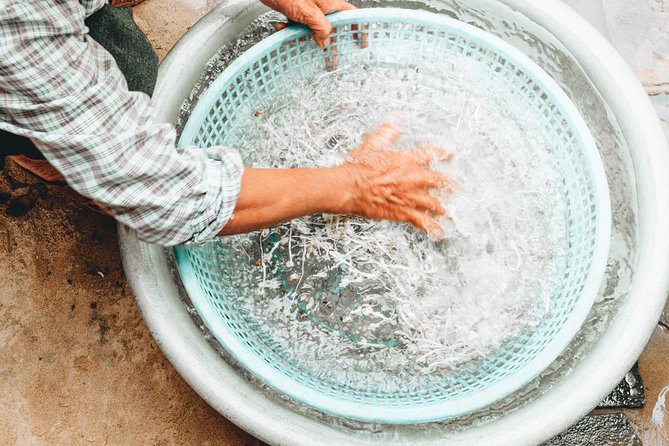
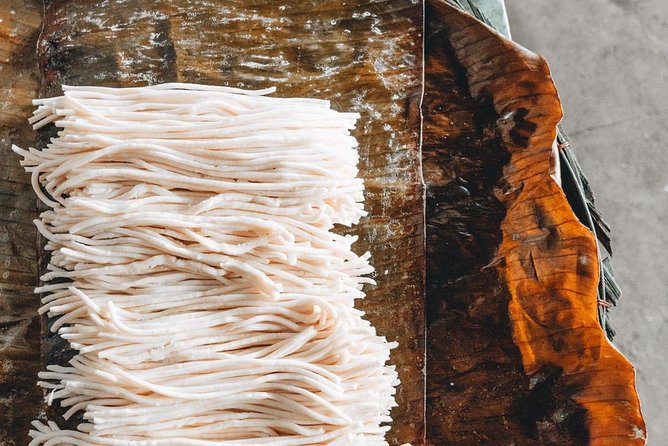
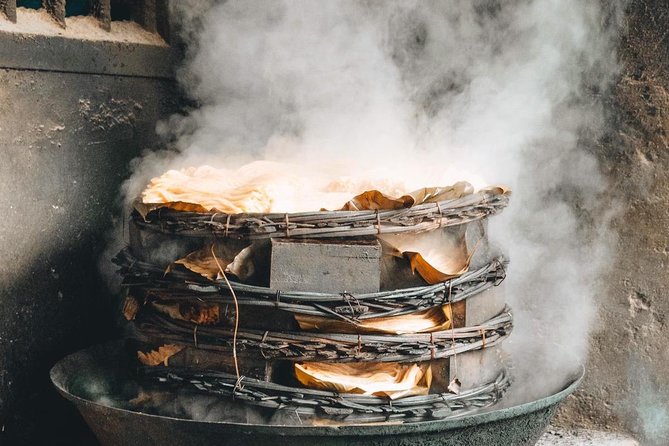
The noodle stop is one of the most distinctive parts of the walk. Hoi An is closely associated with cao lau, and seeing the noodles made gives you useful context before you taste them.
The workshop is described as the oldest factory of its kind in the area, and one account calls it the only remaining factory still making the noodles. The important point for you is not the label alone. It is the sight of a long-running family operation and the chance to see a food tradition as work, not just as a finished bowl.
Your guide explains how the product is made and how the family business fits into local life. You then get to taste it in a local way. That makes this stop especially valuable for anyone interested in Vietnamese food beyond famous dishes found on standard menus.
This is also where the tour feels most personal. You are visiting small producers rather than a large commercial attraction. Space may be limited, and the setting is practical rather than polished, but that is part of the appeal.
Bean sprouts, family workshops, and daily work
The bean sprout stop offers a different look at local food production. You learn how Vietnamese families produce organic mung bean sprouts, with the guide explaining the process and the place these ingredients hold in local cooking.
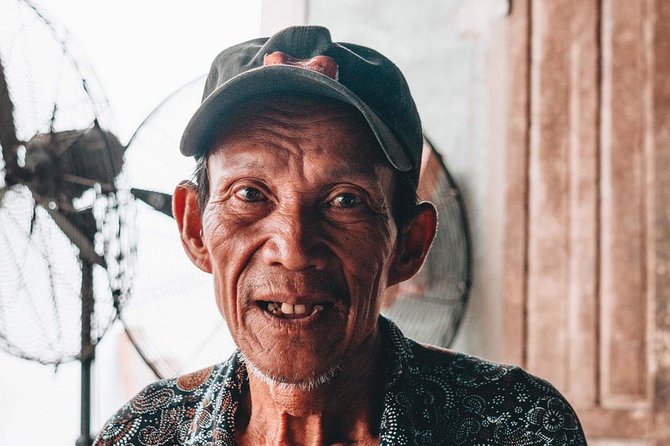
This kind of stop can be easy to overlook when you explore Hoi An independently. You might see the finished ingredient in a market or dish, but not the labor behind it. The tour gives you a chance to meet people who keep these methods going and to ask questions through your guide.
Several stops focus on family businesses producing and selling food in Hoi An. Some have continued for generations. The experience is strongest if you approach these visits with curiosity and patience. You are not entering a staged museum. You are seeing working places, so the pace and presentation may be simple.
That also means you should expect a hands-on look at local work rather than a long formal lecture. Guides such as Kiwi and Quynh are praised for sharing stories, answering questions, and adapting explanations to the group.
A completely different side of Hoi An:
- Cooking Class Hoi An:Local Market, Basket Boat, Fishing & Cooking
★ 5.0 · 3,660 reviews - Hoi An Cooking Class(Market,BasketBoat Crabfishing&Cooking Class)
★ 5.0 · 3,386 reviews - Hoi An: My Son Sanctuary Early Morning w. Champa Food Brunch
★ 4.9 · 2,750 reviews - Hoi An/ Da Nang – Ba Na Hills – Golden Bridge Deluxe Small group
★ 5.0 · 2,613 reviews
Five to seven tastings, with coffee or tea
The food portion includes five to seven tastings. That is enough to make the tour a substantial food experience, not merely a walk with one snack at the end.
The exact food selection can vary, but the tastings connect to the producers and places visited along the route. You may sample foods at local eateries or a market, including street food at Tiger Market. Coffee or tea and bottled water are included.
The best approach is to arrive hungry. The experience finishes with enough food to leave you full, according to the supplied details, and the tasting stops form a large part of the tour’s value.
You should also tell the operator about dietary needs in advance. One family group with two vegans was accommodated, but the information does not promise a fixed vegan menu for every departure. Asking before the tour is the sensible move.
Food is also a good way to handle cultural differences. If you are unsure what something is or how to eat it, your guide can explain. That support makes it easier to try items you might otherwise pass by.
Markets, temples, and Hoi An’s layered past
The tour is not only about eating. Between food stops, you walk through local lanes and learn about a family temple, a market, local architecture, and everyday life.
Your guide also explains how Japanese, Chinese, and Western influences shaped Hoi An’s buildings, customs, and cuisine. This is useful because the town’s character comes from several cultural connections, not one single tradition.
The temple and architecture stops add a sense of place to the food. You begin to see why ingredients, family businesses, and buildings are part of the same story. A house, a market lane, and a noodle workshop all show how Hoi An has been used and adapted over time.
The walk through narrow alleys is one of the simple pleasures here. You get away from the main tourist streets without needing to navigate on your own. Your guide knows where to turn and can explain what you are seeing as you go.
Do not expect a full historical tour of every major monument in Hoi An. The focus is local life, with history used to explain the food and neighborhoods. If you want a detailed architectural survey, you will need a separate visit to the town’s main heritage sites.
Guide quality and the small-group advantage
A maximum of 10 people is a useful limit for this kind of tour. In a large group, it would be difficult to hear inside a small workshop or ask questions at a family business. Here, the format allows the guide to keep the group together and respond to different interests.
The strongest praise is directed toward the guides’ warmth, clarity, and care. Kiwi is repeatedly noted for explaining local life in an approachable way, communicating clearly, and helping people feel comfortable with unfamiliar foods. Kim is described as cheerful and full of stories, while Emily is praised for keeping the pace manageable for different ages and abilities.
Safety and group care also matter on a walking tour. Lien Lien is specifically praised for helping the group cross busy roads and looking after everyone. That kind of practical attention is easy to value in Hoi An, where traffic can make even a short street crossing feel like a small event.
Guides have also added personal touches for special occasions. One guide arranged a birthday cake, and another group received photos and a small snack bag after the tour. These extras are not guaranteed, but they show the level of personal service the team may provide.
Price, pace, and practical value
At $41 per person, this is not the cheapest way to eat in Hoi An. You can buy individual snacks for much less. The value comes from the combination of food, access, explanation, local guiding, and route planning.
You are paying for five to seven tastings, bottled water, coffee or tea, a 3 to 4-hour walking experience, and visits to food producers that would be difficult to locate or approach alone. Select hotel pickup adds convenience, though you should confirm whether your hotel is included.
The small-group limit also helps justify the price. You are not simply following a guide through a market. You are visiting working family businesses and using backstreets where a local guide makes a real difference.
The pace is described as comfortable, including for different ages and abilities, but the tour still requires moderate physical fitness. You should be ready to walk for several hours, handle local streets, and cope with Hoi An’s heat. Wear practical shoes and bring any personal items you need for a morning or afternoon on foot.
The weather policy is worth noting. The experience requires good weather. If poor conditions lead to cancellation, you are offered another date or a full refund. You can cancel for a full refund up to 24 hours before the start time, but changes or cancellations inside that window are not accepted.
Who should book this Hoi An walk?
I would choose this tour early in a Hoi An stay. It gives you useful food knowledge, points out local areas you may revisit, and helps you understand what you are eating for the rest of your visit.
It is a strong match for:
- Food-focused visitors who want to see production as well as taste dishes.
- First-time visitors who want an easy introduction to Hoi An’s streets and local customs.
- Families who appreciate guides able to engage both adults and children.
- Couples and small groups looking for a personal experience away from the busiest roads.
- Curious walkers who enjoy markets, workshops, temples, and ordinary neighborhood life.
It may be less suitable if you want a seated meal, dislike early mornings, have difficulty walking for several hours, or prefer a tightly scheduled monument tour. The route is active and local, not a luxury food tasting with long stops at one venue.
Should you book Hidden Gems of Old Hoi An?
Book it if you want to understand Hoi An through the people who make its food. The noodle and bean sprout workshops are the most distinctive stops, while the market, temple, architecture, and alleyways give the food a wider setting.
The $41 price makes sense if you value access and explanation, not just the amount of food. Choose the morning option if cooler weather and quiet streets appeal to you, and arrive ready to walk and eat.
I would especially recommend it near the start of your stay, when a local guide can help you get your bearings and introduce you to foods you might not confidently order alone. If you want a polished sightseeing circuit or a fixed restaurant menu, choose something else. If you want family businesses, local streets, and a generous taste of everyday Hoi An, this is a very good choice.
FAQ
How long does the Hoi An tour last?
The walking experience lasts approximately 3 to 4 hours.
Is hotel pickup available?
Complimentary pickup is offered from select hotels in Hoi An. Check whether your hotel is included when booking.
How many people can join the tour?
The group has a maximum of 10 participants.
What food and drinks are included?
The tour includes five to seven tastings, bottled water, and coffee or tea.
Can I choose a morning or afternoon departure?
Yes. Morning and afternoon tours are available. Some morning departures begin around 6 a.m., based on the tour details provided.
What happens if the weather is bad?
The experience requires good weather. If it is canceled because of poor conditions, you can choose another date or receive a full refund.
Just added in Hoi An
- Hoi An: Ylang Ylang Spa Experience (Free pick up for 2pax++)★ 4.5 · 17 reviews
- Vietnamese Cooking Class with Local Family in Hoi An★ 4.9 · 20 reviews
- Hoi An Countryside Bicycle Tour : 25 Km Real Vietnam★ 5.0 · 12 reviews
- Vietnamese Coffee Making Class in Hoi An★ 5.0 · 4 reviews
- Vegetarian Cooking Class with Local Family in Hoi An★ 4.6 · 5 reviews
- Vegetarian Cooking Class W Optional Basket Boat from Hoi An★ 4.5 · 5 reviews
- Tranquil Basket Boat Ride at Water Coconut Forest★ 4.8 · 5 reviews
- My Son Sanctuary Private Tour – Early Morning or Half Day Tour★ 5.0 · 15 reviews