
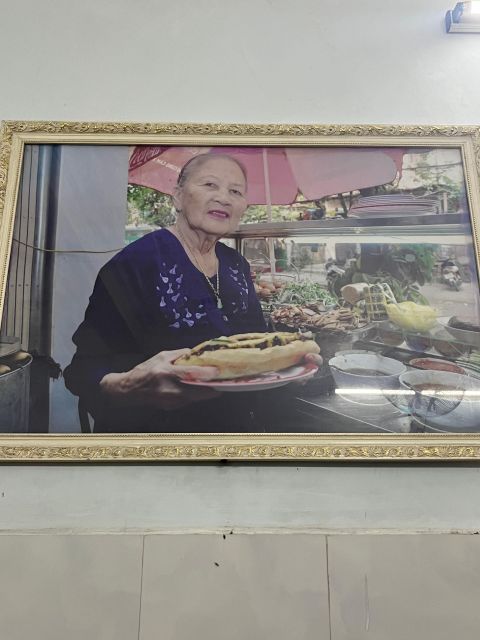
Reviewed · HOI AN STREET FOOD TOURS
Hoi An hiden food adventure
Hoi An Hidden Food Adventure is less about sitting down for one long meal and more about following the food through the town’s back lanes, family kitchens, markets, and small eateries. You’ll try six to seven local foods and drinks, hear the stories behind them, and finish near Chùa Cầu and the Hoài River.
I like the way this tour connects each dish with the people who make it. I also like the first-night timing: guides such as Tham, Vu, Uyen, and Phi have helped visitors get their bearings and offered useful ideas for the rest of their stay. The main consideration is that three hours of walking and eating can become a lot of food, so arrive hungry and tell your guide about allergies or dietary needs before the first stop.
Key points to know before booking
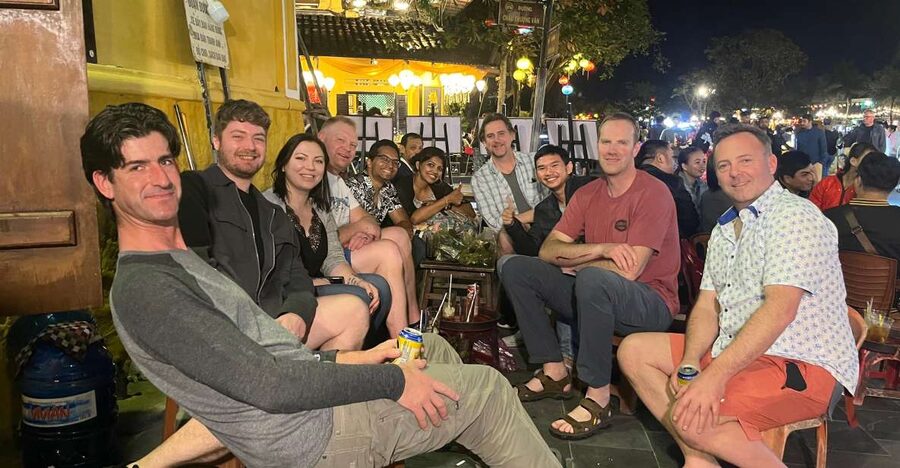
- Six to seven tastings: Expect Hoi An specialties such as Cao Lau, white rose dumplings, wontons, banh mi, banh beo, satay, and black sesame soup.
- Family food traditions: Some stops take place in homes or small family-run eateries where recipes have been passed down for generations.
- Back-street Hoi An: The route goes beyond the main tourist lanes and may include markets, quiet alleys, old buildings, and local wells.
- A strong first-night choice: Your guide can explain the town, its food customs, and places to eat or visit later.
- Vegetarian options are available: Tell the guide clearly about vegetarian needs, allergies, or food restrictions when you meet.
- Three hours for $23: The price includes the English-speaking guide, listed food, water, and one drink, but not the old town entrance ticket or extra drinks.
Why this food walk works best on your first night
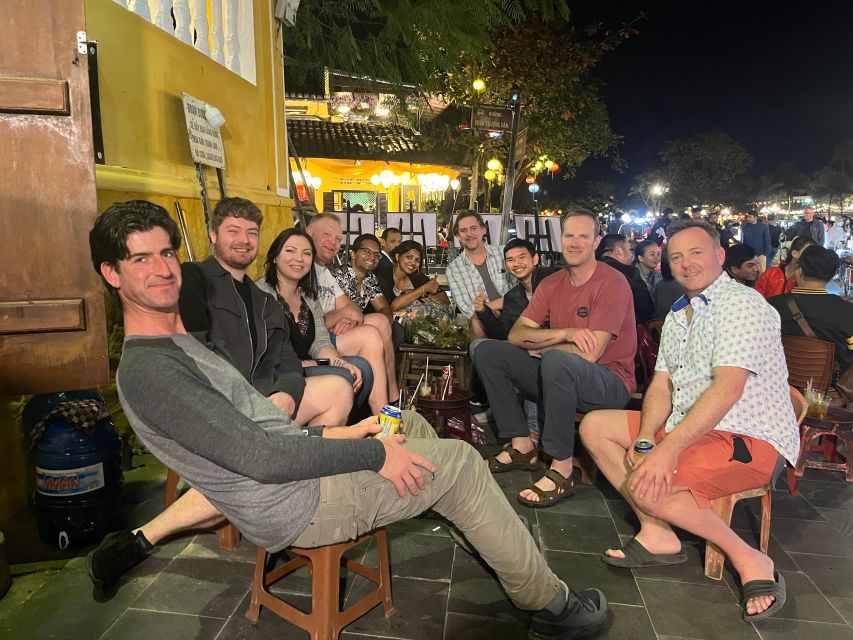
Hoi An is easy to admire and surprisingly easy to eat badly in. The lantern-lit center has plenty of restaurants, but a visitor walking alone may pass the best small counters without knowing what to order or where a family has been preparing one specialty for decades.
This tour gives you a practical introduction. Your guide explains what is on the plate, where it comes from, and why certain foods belong to Hoi An rather than simply to Vietnam in general. You also get a short walking tour of the town, including old buildings, side streets, and local stories.
I would book it for the first evening if you can. A guide can point out dishes worth ordering later, help you recognize Cao Lau on a menu, and suggest other things to do around Hoi An. One person who booked it near the end of a trip wished they had started with it instead.
The route is not a formal historical tour with long lectures. It is a food walk with history tucked into the stops. That balance suits Hoi An well. You are learning while moving, eating, and watching daily life rather than standing in one place for an extended explanation.
More food tours in Hoi An:
- Evening Walking Food Tour, folk game and lantern boat
★ 5.0 · 665 reviews - Hoi An at Sunset: Authentic Local Street Food Tour
★ 4.5 · 329 reviews - Hoi An Street Food Walking Tour with Tastings
★ 5.0 · 317 reviews
Starting at 106 Nguyen Truong To
The meeting point is listed as the gate of Hoi An church at 106 Nguyen Truong To Street. Some booking options identify the starting place as Starbucks on Tran Hung Dao, also connected with the 106 Nguyen Truong To address, so check the exact option you reserve and confirm the meeting point before setting out.
From there, the guide leads you into Hoi An on foot. There is no listed vehicle transfer during the food walk, which is part of the appeal. You see the town at street level, moving between ordinary lanes and the old center.
Wear comfortable shoes. The supplied information does not give a precise route length, but three hours of walking with several eating stops means you will be on your feet for much of the evening or chosen tour period. Hoi An’s old streets can also be uneven and crowded at times, so keep your pace relaxed.
The first tastings: small plates with local character
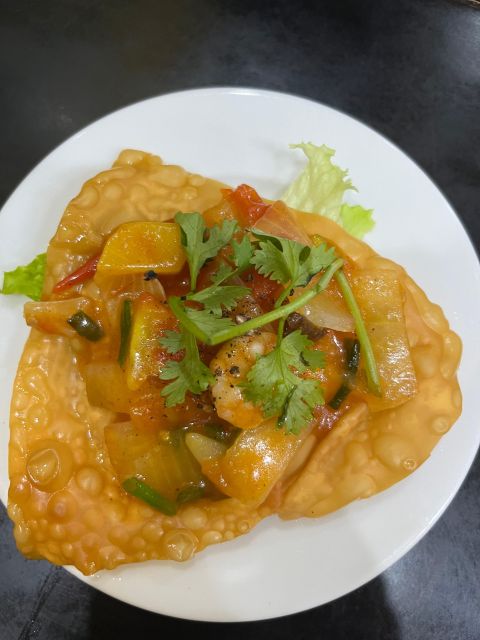
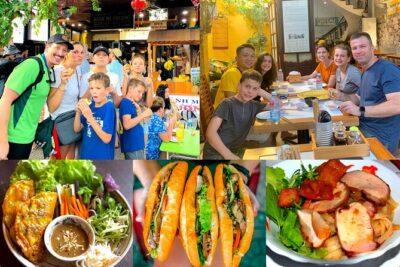
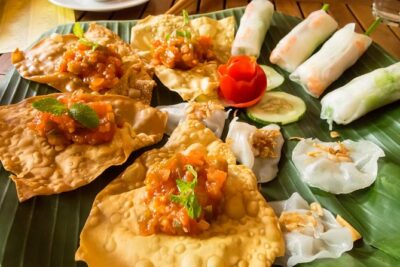
The food list includes banh beo, Hoi An dumplings, Hoi An wontons, banh mi, Hoi An satay, Cao Lau noodles, black sesame soup, and a drink. The exact order can change, and the number of dishes may vary by booking option, but you should expect a series of small portions rather than one giant serving.
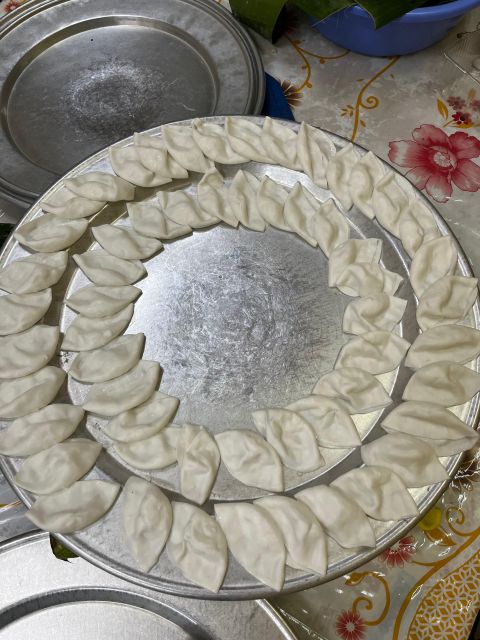
Banh beo, or water-fern cake, is a useful first taste because it shows how much Vietnamese street food depends on texture and toppings. The Hoi An dumplings and wontons offer another local specialty, often referred to as white rose dumplings in English. These are dishes many visitors would not think to order without help.
Banh mi gives the tour a familiar anchor. Even if you have eaten Vietnamese sandwiches elsewhere, the guide can explain what makes the local version part of Hoi An’s everyday food culture. Satay adds a different flavor, while black sesame soup provides a sweet finish at one of the stops.
The portions are intended to let you keep eating. Still, the total adds up. Several people finished very full, and one guide took a group to seven different spots with enough food to count as dinner. Do not have a large meal beforehand.
Family homes, old recipes, and the people behind the food
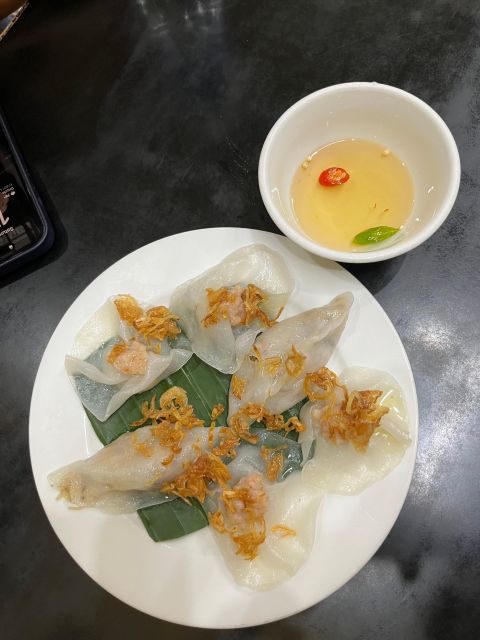
The most distinctive part of the tour is the chance to eat in places that do not feel designed only for sightseeing. The route may include local homes, market food counters, and small family-run restaurants operating from houses.
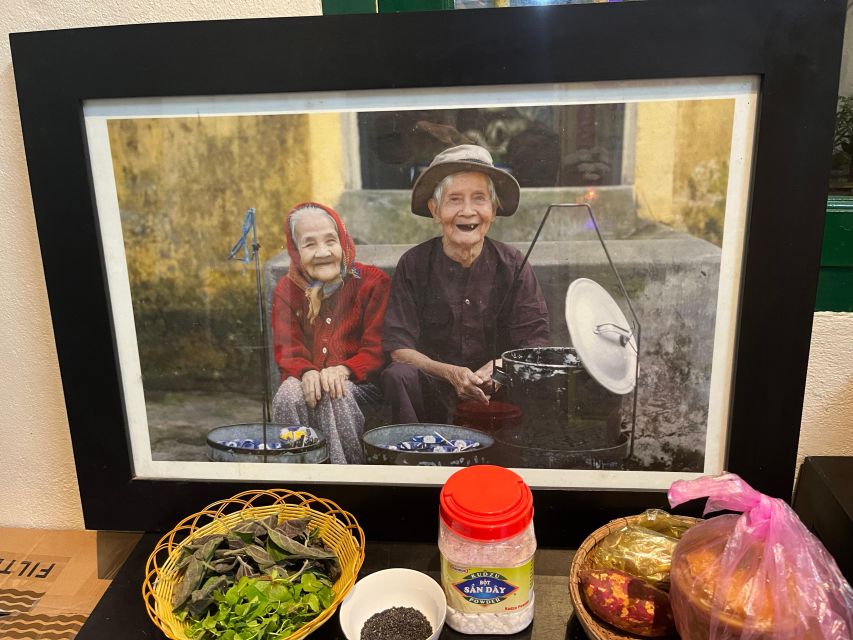
At some stops, you meet people who still prepare their own versions of traditional recipes. The experience is valuable because Hoi An food is not just a collection of famous dishes. It is also a set of methods, family habits, and neighborhood relationships.
One advertised stop is a roughly 100-year-old local workshop producing Hoi An dumplings with a family recipe. The tour also explains the old methods connected with Cao Lau, a noodle dish strongly tied to the town. A local well, identified in tour experiences as Ba Le Well, is part of that food story and helps explain why the noodles have a special place in Hoi An cooking.
I would treat these visits as working food places rather than polished demonstrations. You may be eating in a family living room or at a modest counter. That is precisely the point, but anyone expecting a restaurant-style tasting menu should choose a different activity.
A completely different side of Hoi An:
- Hoi An: Basket Boat Ride in the Coconut Forest
★ 4.9 · 4,956 reviews - Hoi An: Vietnamese Coffee Culture and Coffee Making Class
★ 4.9 · 4,006 reviews - Hoi An: Vietnamese Foldable Lantern Making Class
★ 4.9 · 3,742 reviews - Cooking Class Hoi An:Local Market, Basket Boat, Fishing & Cooking
★ 5.0 · 3,660 reviews
Cao Lau and the food history of Hoi An
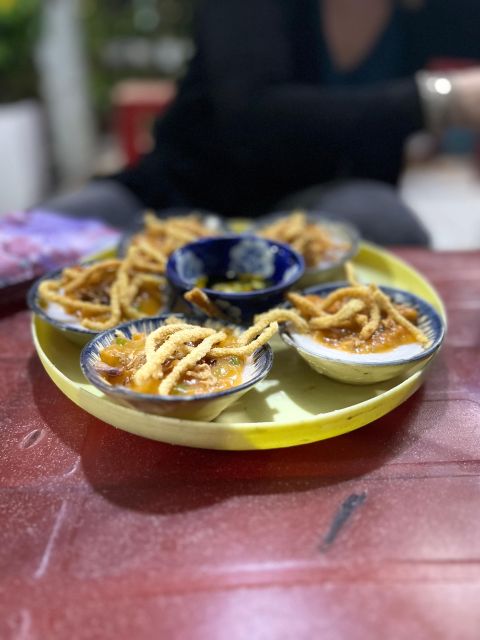
Cao Lau is one of the main reasons to take a food tour here. The noodles, pork, greens, and crisp toppings are associated with Hoi An, and the dish has a preparation story that reaches back roughly 300 years.
A guide can make the bowl more interesting by explaining the local recipe and the role of the water used in preparing the noodles. Without that context, Cao Lau can look like another noodle dish. With it, you understand why the town treats it as a local specialty rather than just another regional meal.
The tour does not promise that every group receives the same restaurant or preparation method. Food stops can vary. Still, Cao Lau is specifically included in the advertised food selection, so it is one of the dishes you should expect to encounter.
If you already know Cao Lau, the value is in comparing it with the guide’s explanation and with other Hoi An foods. If you have never tried it, this is a good setting because you can ask what makes the dish different before deciding where to order it again.
Back roads and everyday Hoi An
Between tastings, you walk through less obvious parts of town. Guides have taken groups through narrow lanes, local markets, and areas where families live and work. This changes the mood from postcard Hoi An to a more ordinary view of the town.
You might see old buildings, local food preparation, and the small details of daily life that are easy to miss while following the main tourist route. The guide’s local connections matter here. Several guides, including Tham, Vu, and Uyen, have been praised for explaining both the food and the people who prepare it.
The pace appears to be comfortable rather than rushed. One morning group visited several stops without feeling hurried, while other groups spent an early evening moving from one family eatery to another. Because the exact starting time and route depend on availability, ask when booking if you have a preference for morning or evening.
This is still a food tour, not a full architectural tour of Hoi An. You receive selected stories about old buildings and local customs, but the main focus remains eating and walking.
Ending at Chùa Cầu and the Hoài River
The published finish is Chùa Cầu, Hoi An’s famous Japanese Covered Bridge. From there, you are close to the old town and the Hoài River, where the town feels especially attractive after dark.
Ending here works well. You can continue walking through the old center, return to a favorite food stop, or simply enjoy the river after dinner. The tour gives you a useful orientation without leaving you stranded far from the main sights.
The old town entrance ticket is not included. This matters because Hoi An has an entrance-ticket system for some central attractions and streets. Ask your guide how the ticket applies to your route, and budget for it separately if needed.
Is $23 good value?
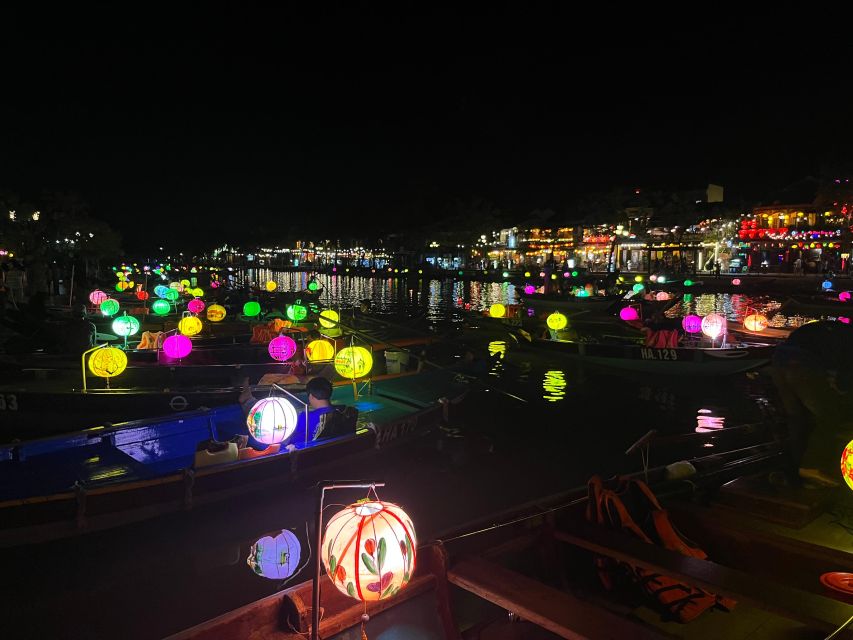
At $23 per person, this is a strong value if you use it as both dinner and a walking introduction to Hoi An. The fee includes the English-speaking guide, all food listed in the tour, water, and one drink at the end. Six or seven tastings at separate stops would cost money on their own, especially if you tried to find every place without local help.
The bigger saving is time and guesswork. You do not need to order full portions at several restaurants or worry about choosing the wrong dish. You also gain access to family kitchens and small places that may not be obvious from a hotel or restaurant district.
The price does not include alcohol, other drinks, tips, or the old town entrance ticket. A public holiday surcharge of $37 may apply in Vietnam, depending on the option booked. That is a substantial increase, so check the final price carefully before confirming a holiday date.
Private groups are available. A private option may make sense for families, people with strict food restrictions, or anyone who wants to ask many questions without slowing a larger group. The standard information does not specify the size of a shared group.
Vegetarian diners and food allergies
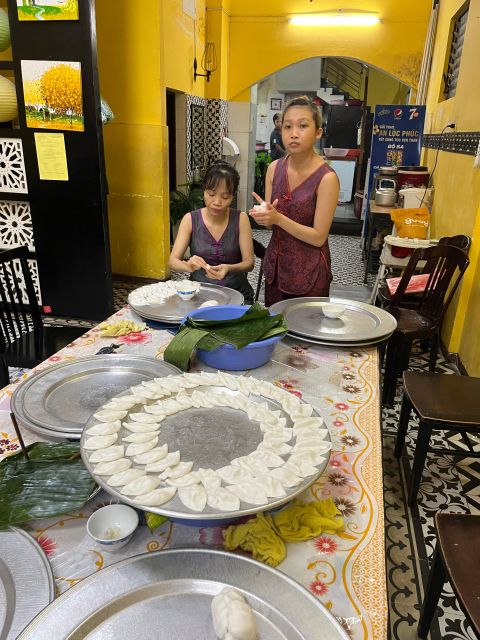
Vegetarian choices are available, and guides have adjusted dishes for vegetarian diners at individual stops. Tell the guide at the beginning, not halfway through the meal, so the route can be handled properly.
If you have a peanut, shrimp, or other serious allergy, explain it clearly and repeat it if needed at each stop. A guide can help communicate with local cooks, but the information provided does not promise a certified allergy-free kitchen or a separate preparation area.
The same advice applies to dietary preferences. The food is local and often prepared in small family settings, so you should not assume that a dish is suitable because it looks vegetarian. Ask before eating.
Who will enjoy this tour most?
I would choose this for first-time visitors who want to understand Hoi An through food rather than simply photograph its lanterns. It is also a good fit if you like small local eateries, family stories, and walking routes that leave the main streets.
It suits couples, families, and small private groups. One family toured with an eight-month-old, while other groups included vegetarians and people with allergies. Those examples suggest the guides can be flexible, though you should still explain your needs when you meet.
You may want another activity if you dislike walking, prefer a quiet sit-down dinner, or want exact control over every dish. The tour is social and active. You move often, eat repeatedly, and may sit in simple spaces rather than a formal dining room.
The English guides vary. Names associated with recent tours include Tham, Vu, Uyen, Phi, Danny, Nhuoc, and Viet. The strongest reports focus on guides who explain food clearly, know the local streets, and have an easy relationship with the people running each stop. Your assigned guide will depend on the date and booking.
Practical details before you go
The tour lasts three hours and is offered with an English-speaking guide. Starting times should be checked for your date, since both morning and early evening departures have been used.
Free cancellation is available up to 24 hours before the activity for a full refund, and you can reserve now and pay later. Meeting points vary by booking option, so do not rely only on the general address. Confirm the exact start location.
Bring water if you prefer to drink often, though water is included. Extra drinks and alcohol cost more. A small amount for the guide’s tip is not included and is appropriate if the service is good.
Most important, arrive hungry. Six or seven stops can include more than six or seven individual bites, and some groups have tried 11 dishes or snacks across the route. The final black sesame soup or iced tea may be the thing you remember most, but you will need room to reach it.
Should you book the Hoi An Hidden Food Adventure?
I would book it, especially for your first night in Hoi An. The combination of dinner, local orientation, family food stories, and back-street walking is hard to match for $23.
Book with confidence if you want Cao Lau, dumplings, market food, and small family eateries, and if you enjoy learning while you eat. Think twice if you need a fully controlled menu, dislike walking, or are not comfortable eating in modest local homes.
Check the meeting point, holiday surcharge, dietary arrangements, and old town ticket before paying. Then arrive hungry and let the guide introduce you to the Hoi An that exists beyond the lanterns.
FAQ
How long does the Hoi An Hidden Food Adventure last?
The tour lasts three hours.
Where does the tour start?
The meeting point may vary by booking option. Listed starting places include Starbucks on Tran Hung Dao in Hoi An and the gate of Hoi An church at 106 Nguyen Truong To Street. Confirm your exact meeting point before departure.
Where does the tour finish?
The stated finishing point is Chùa Cầu, the Japanese Covered Bridge in Hoi An.
What food is included?
The food selection can include banh beo, Hoi An dumplings, Hoi An wontons, banh mi, Hoi An satay, Cao Lau noodles, black sesame soup, and drinks. The tour includes six to seven different foods and drinks, with the exact route and dishes subject to the booked option.
Are vegetarian options available?
Yes. Vegetarian options are available. Tell the guide about your dietary needs at the beginning of the tour.
Is the old town entrance ticket included?
No. The Hoi An old town entrance ticket is not included in the tour price.
What is included in the $23 price?
The price includes an English-speaking guide, the food listed in the itinerary, water, and one drink at the end. Extra beverages, alcohol, tips, and the old town entrance ticket are not included. A $37 public holiday surcharge may apply in Vietnam, depending on the option booked.
Just added in Hoi An
- Hoi An: Ylang Ylang Spa Experience (Free pick up for 2pax++)★ 4.5 · 17 reviews
- Vietnamese Cooking Class with Local Family in Hoi An★ 4.9 · 20 reviews
- Hoi An Countryside Bicycle Tour : 25 Km Real Vietnam★ 5.0 · 12 reviews
- Vietnamese Coffee Making Class in Hoi An★ 5.0 · 4 reviews
- Vegetarian Cooking Class with Local Family in Hoi An★ 4.6 · 5 reviews
- Vegetarian Cooking Class W Optional Basket Boat from Hoi An★ 4.5 · 5 reviews
- My Son Sanctuary Private Tour – Early Morning or Half Day Tour★ 5.0 · 15 reviews
- Traditional Vietnamese Cooking Class in Leina Cookery★ 5.0 · 12 reviews
Hoi An Street Food Tours, compared.
Evening Walking Food Tour, folk game and lantern boat
Read our review →
Hoi An at Sunset: Authentic Local Street Food Tour
Read our review →
Hoi An Night Market – Ancient Town street food tours by Night
Read our review →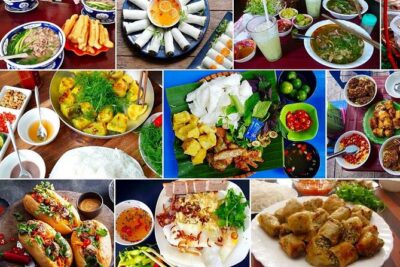
Hoi An Ancient Town – Night Market Street Food Tours By Night
Read our review →
Hoi An Vespa Food Tour: Authentic & Exotic Food Culture
Read our review →
Private Hoi An Evening Food Tastings Tour by Bike
Read our review →Browse the lists this tour appears in