
Reviewed · HOI AN COUNTRYSIDE AND VILLAGE TOURS
Hoi An Sunrise Tour to Hidden Local Villagers
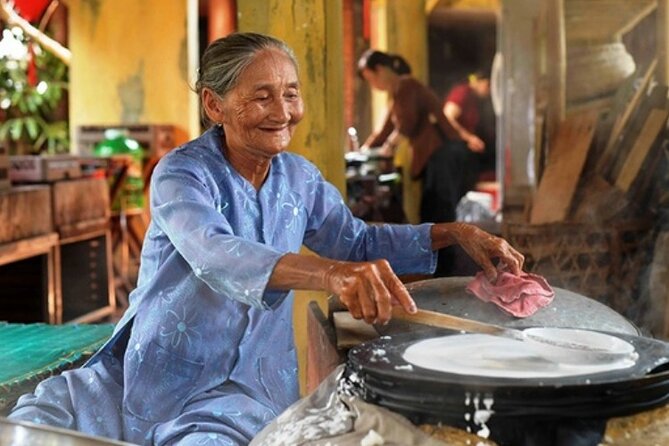
Hoi An’s best stories are often found beyond the lantern-lit old town. This early tour takes you into working villages where families still make fish sauce, noodles, and woven mats, giving you a clear look at local trades that are easy to miss from the tourist center.
I like the small group size, capped at eight, and the way the tour focuses on people at work rather than a long list of monuments. I also like the early start: at 5:00 am, you see Hoi An and the surrounding villages before the day gets busy.
The drawback is simple: 5:00 am is very early, and the schedule is fairly broad. You visit four stops, but the full experience lasts only four to five hours, so some visits may feel like introductions rather than long hands-on workshops.
Key points to know before booking
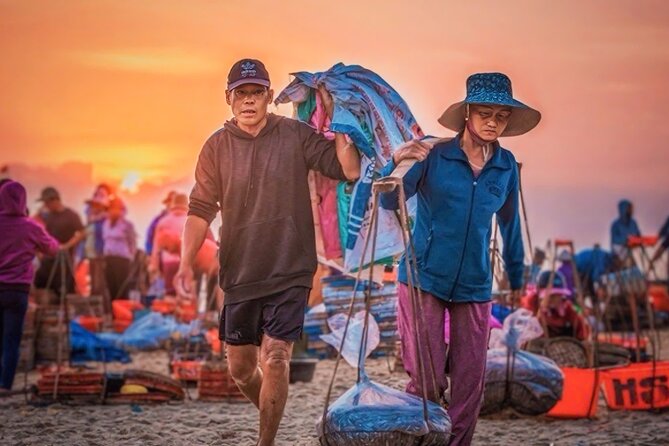
- A 5:00 am start: Plan for an early morning, but you gain cooler hours and a quieter look at village life.
- Three traditional trades: See how fish sauce, noodles, and sleeping mats are made.
- A maximum of eight people: The group size should make explanations and questions easier.
- Guides with local connections: Guides named Billy, Hoa, Tham, Nhat, and Huong have led this experience.
- A useful price point: At $49 per person, the tour offers four to five hours of local visits and transport arrangements.
- Flexible cancellation: You can receive a full refund if you cancel at least 24 hours ahead, subject to the stated weather and minimum-group rules.
Why this sunrise tour feels different from old-town sightseeing
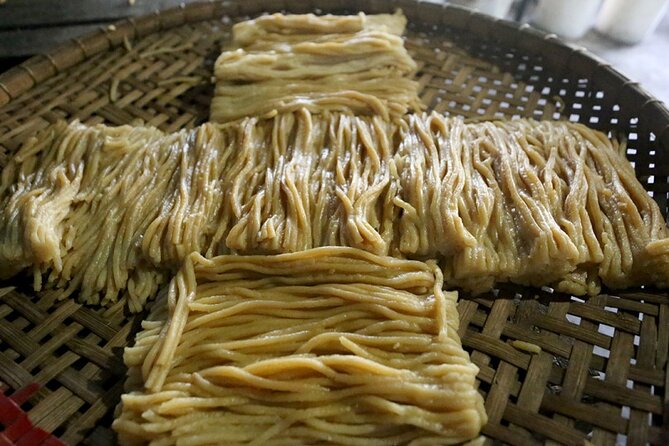
Hoi An’s Ancient Town is the city’s main draw, but it can give you only one slice of local life. You see restored houses, tailor shops, cafes, and souvenir stalls. This tour shifts the focus to family occupations, with visits to villages where production remains part of everyday work.
That difference matters. Instead of simply looking at a finished product, you learn how food and household goods are made. Fish sauce is not just a condiment on a Vietnamese table. Noodles are not just something served in a bowl. Woven mats are not just craft-shop decorations. Each one connects to a family skill and a local market.
The tour is also built for a small group. With no more than eight people, you should have a better chance to hear the guide and ask questions than you would on a large coach outing. The guides who may lead the trip include Billy, Hoa, Tham, Nhat, and Huong. Billy is described as the main organizer, while the other guides have led guests around the villages and explained local customs.
You should still keep your expectations in check. This is not a polished museum display or a long cooking class. It is a short field visit to working communities. The value comes from seeing real occupations in context, even if each stop gives you only about an hour.
More countryside and village runs around Hoi An:
- HOI AN Hidden Gems in Rural Villages & River Islands PRIVATE TOUR
★ 5.0 · 494 reviews - Hoi An Countryside Jeep Tour: Food, Culture & Daily Life
★ 5.0 · 414 reviews - Hoi An Countryside Vespa Tour: Food, Culture & Daily Life
★ 5.0 · 406 reviews
Starting at 5:00 am around Hoi An
The meeting time is 5:00 am, making this one of the earliest organized outings in Hoi An. That start will not suit everyone, especially if you have arrived late the night before or prefer slow mornings.
For the right person, though, the timing is useful. You reach the villages at the beginning of the day, when work and movement are starting. You also finish after roughly four to five hours, leaving much of the day open for the Ancient Town, a meal, or rest.
Pickup is offered, and the activity provides a mobile ticket. The exact pickup arrangement should be confirmed when you book. The experience is also listed as being near public transportation, though the tour itself may involve arranged transport between stops.
The small group cap helps here. You are not dealing with a busload of people at dawn. The size also makes it easier for the guide to adjust explanations and keep the morning moving.
Duy Vinh and the careful work behind fish sauce
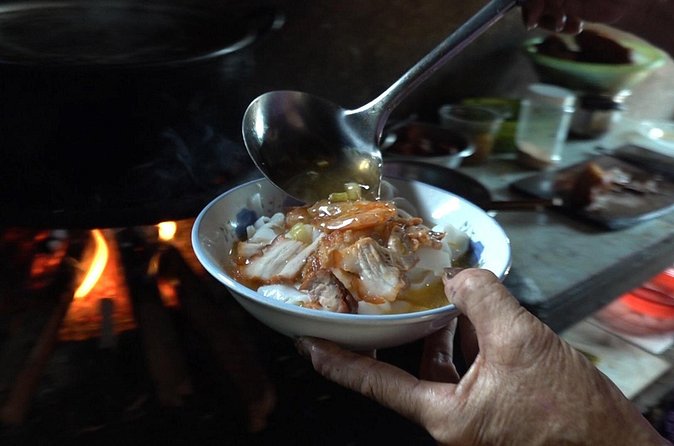
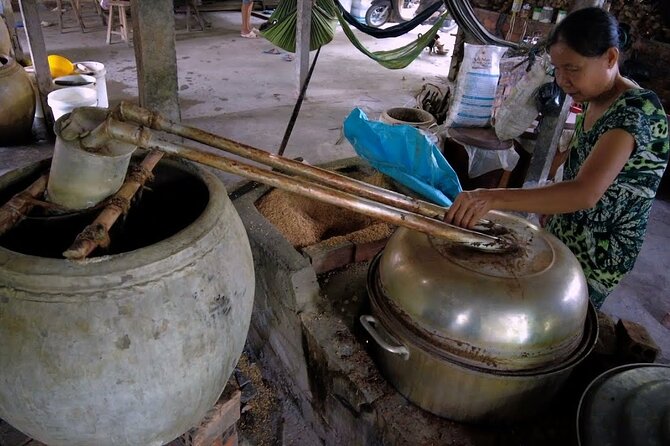
The first listed stop is Duy Vinh, where the guide explains how Vietnamese fish sauce is made and how the savory dipping sauce is processed.
This is a strong opening because fish sauce is central to Vietnamese cooking, yet many people encounter it only as a small bottle on a restaurant table. At Duy Vinh, you get context for the flavor, the production method, and the family work behind it.
The description promises an explanation rather than a full production course. You should expect to watch, listen, and ask questions rather than make a batch yourself. The visit lasts about an hour, and there is no separate admission charge.
Fish sauce can be an intense subject for anyone sensitive to strong smells. That is not a flaw in the tour, but it is worth knowing before you sign up. The point is to understand a local product in its working setting, not to receive a sanitized version designed only for sightseeing.
A good guide can make this stop especially useful by explaining how the sauce is processed and how it becomes the dipping sauce so common at Vietnamese meals. Guides such as Billy, Hoa, Tham, or Nhat may bring different personalities to the explanation, but the local focus remains the same.
Cam Kim Island and Hoi An’s noodle tradition
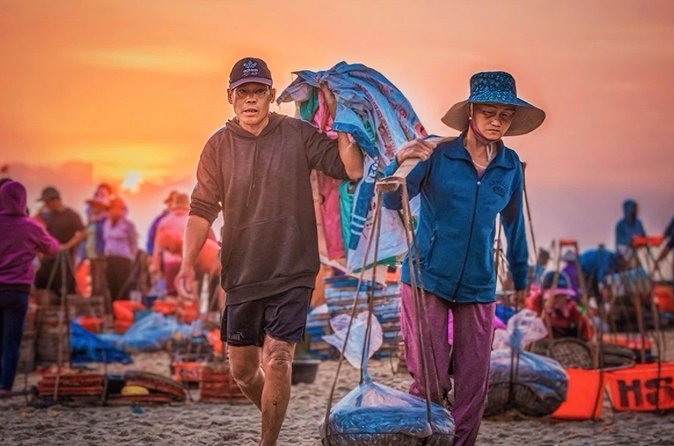
The next visit takes you to Cam Kim Island for a look at Vietnamese noodles. The country is known for many noodle types, and the tour uses this stop to show how an everyday food connects to local work.
The stop is listed as about one hour, with no admission fee. That gives you enough time for an introduction and observation, but probably not enough for a detailed lesson in every noodle variety found across Vietnam. Think of it as a window into food production, not a national noodle survey.
This part may appeal most to people who enjoy understanding what they eat. Hoi An’s food scene is one of the reasons many people come here, and seeing noodles in their production setting adds useful background to later meals.
The name Cam Kim Island appears again for the mat-weaving stop, so do not assume the noodle visit and the weaving visit are two entirely separate areas. The itinerary presents them as distinct stops, each centered on a different occupation. Your guide should explain how the morning moves between them.
More early starts and sunrise trips in Hoi An:
- Hoi An: My Son Sanctuary Early Morning w. Champa Food Brunch
★ 4.9 · 2,750 reviews - My Son Sanctuary Morning Tour & Early Morning with Boat Trip
★ 5.0 · 645 reviews - Early Morning My Son Sanctuary Trip w. Champa Food & Coffee
★ 5.0 · 629 reviews - Hoi An: Morning Countryside Tour by Bike
★ 4.8 · 303 reviews
Cua Dai Bridge and the Thu Bon River
The Cua Dai Bridge crosses the Thu Bon River and links Hoi An City with Duy Xuyen District along a coastal road in Quang Nam Province. The tour includes about an hour here.
This is the most scenic and geographic part of the morning. After seeing food production and village work, you get a sense of the wider area connecting Hoi An to its surrounding districts. The bridge helps place the villages on a map, rather than treating them as isolated stops.
The information provided does not promise a dedicated sightseeing commentary, special photo session, or river cruise. You should therefore treat this as a stop for views and local geography, not as a major monument visit.
An hour is a generous allocation for a bridge stop, so the exact flow may depend on the group and the guide. The morning may include pauses for explanation, local viewing, or simply the practical movement between villages. If your main goal is historical buildings, this will not replace time in Hoi An’s Ancient Town. If you like seeing how the city connects to the countryside, it adds useful range.
Cam Kim’s mat-weaving households
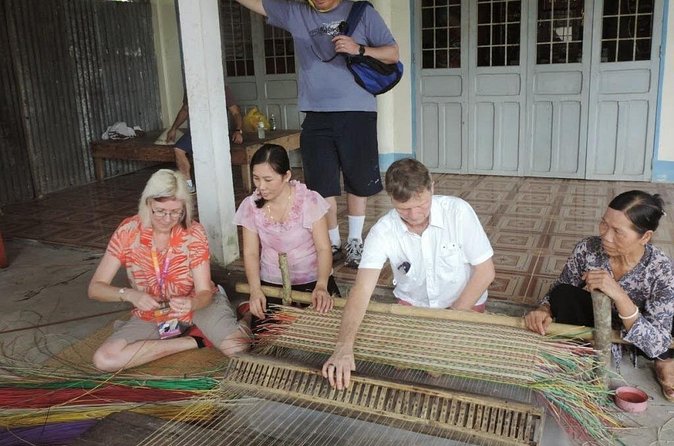
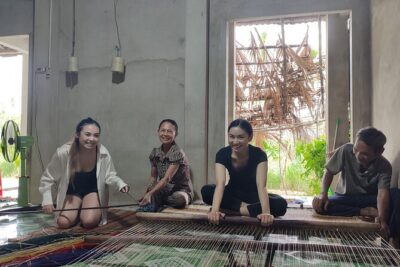
The final listed stop returns to Cam Kim Island, this time for mat weaving. About 200 households are associated with the village, and around 80 percent work in mat production. The village supplies millions of mats each year, with different designs and decorative patterns.
This is the most striking example of a family occupation described in the tour. The scale is large enough to show that mat weaving is not simply a staged craft demonstration. It is an industry that serves a real market and remains part of household life.
You may find this stop especially worthwhile if you care about traditional skills and how they survive beside modern tourism. A woven mat can look simple once finished. Seeing the work behind it helps you understand the time, repetition, and design choices involved.
Again, the stop is listed as about one hour and has no admission charge. The provided details do not state that you will weave a mat yourself, so book it for observation and explanation rather than a guaranteed craft lesson.
This visit also gives the tour a useful ending. You begin with a food product, move through noodles and regional geography, then finish with a household craft made at a much larger village scale. The subjects are different, but they all point to the same theme: work passed through families and sustained by local demand.
What $49 buys you
The price is $49 per person. Judging the value depends on what you want from a morning in Hoi An.
For that price, you get a four to five-hour experience with several village visits, a guide, and pickup offered. The stops themselves have no admission charge, so you are mainly paying for the organization, transportation arrangements, guiding, and access to places that would be harder to understand on your own.
I think the price is reasonable for someone who wants a focused introduction to local work. You would spend much of the morning moving between different settings, and the small group limit gives the experience a more personal scale than a standard large-group tour.
The value is weaker if you want a long, hands-on workshop. The itinerary gives roughly an hour to each stop, and the experience covers several subjects in one morning. That breadth is useful, but it means none of the trades receives a full-day treatment.
The tour is often booked about 18 days ahead, so it is sensible to reserve early if the 5:00 am date fits your plans. Last-minute arrangements may sometimes be possible, but you should not count on them.
The guides and the human side of the morning
The guide can make or break a village tour. Here, several guide names are connected with the experience. Billy organizes the operation, while Hoa, Tham, Nhat, and Huong have also led visitors through the local stops.
The strongest guide qualities described are warmth, clear English, local knowledge, and a willingness to adjust the outing. One account describes a motorbike request being arranged with Hoa and Huong. That does not mean a motorbike format is automatically included for every booking, but it suggests you should ask the operator about transport preferences before paying.
You can also expect a relaxed approach rather than a stiff, scripted tour. That is useful in villages, where the pace may depend on the people working at each stop. A good guide needs to explain what you are seeing while making sure the visit remains respectful.
The experience is designed around contact with local workers, not only views from a vehicle. You should listen carefully, ask before handling anything, and follow the guide’s lead around production areas.
Who should book this experience
I would choose this tour if you want to see Hoi An beyond the old town and prefer local work over a standard sightseeing checklist. It suits people interested in food, craft, family businesses, and the way rural communities connect to the city.
It is also a good fit if you have only a few days in Hoi An. The tour fills one early morning, then leaves the rest of the day free. The group limit of eight is helpful for solo visitors, couples, and small families who want more interaction without booking a private outing.
You may want to skip it if you dislike early starts, strong food smells, or short visits. It is also not the best choice if your main interest is temples, architecture, or a long cooking lesson. Those are different experiences.
Most people can participate, according to the supplied activity information, but no detailed accessibility information is provided. If you have mobility needs or need a particular vehicle, contact Billy Vietnam Travel before booking.
Booking, weather, and cancellation details
Confirmation is provided when you book, and the experience accepts a mobile ticket. Pickup is offered, but confirm the meeting and transport details in advance.
Free cancellation is available if you cancel at least 24 hours before the 5:00 am start time. Cancellations made within 24 hours are not refunded, and changes inside that window are not accepted.
The tour requires good weather. If poor weather causes cancellation, you should be offered another date or a full refund. The experience also requires a minimum number of participants. If that minimum is not reached, you should be offered another date or experience, or receive a full refund.
Should you book the Hoi An Sunrise Tour?
Book it if you want a practical look at the people and occupations behind Hoi An’s food and crafts. The combination of fish sauce, noodles, mat weaving, and the Thu Bon River gives you more than one narrow theme, while the small group keeps the morning personal.
I would treat the tour as a well-paced introduction, not an intensive workshop. Wake up early, expect four to five hours on the move, and come ready to listen and observe. At $49, it offers good value for anyone who wants the working countryside to balance Hoi An’s polished old-town sights.
FAQ
What time does the tour start?
The tour starts at 5:00 am.
How long does the experience last?
The experience lasts approximately four to five hours.
How many people can join the tour?
The tour has a maximum of eight participants.
What places does the tour visit?
The listed stops are Duy Vinh, Cam Kim Island, Cua Dai Bridge, and Cam Kim Island again for the mat-weaving visit.
What local products or skills will I see?
You will learn about fish sauce production, Vietnamese noodles, and mat weaving.
Is pickup available?
Yes. Pickup is offered, and the activity also provides a mobile ticket.
Can I cancel for a full refund?
Yes, if you cancel at least 24 hours before the experience starts. Cancellations or changes made within 24 hours are not refunded. Poor weather or failure to meet the minimum group size may lead to a different date or a full refund.
Just added in Hoi An
- Hoi An: Ylang Ylang Spa Experience (Free pick up for 2pax++)★ 4.5 · 17 reviews
- Vietnamese Cooking Class with Local Family in Hoi An★ 4.9 · 20 reviews
- Hoi An Countryside Bicycle Tour : 25 Km Real Vietnam★ 5.0 · 12 reviews
- Vietnamese Coffee Making Class in Hoi An★ 5.0 · 4 reviews
- Vegetarian Cooking Class with Local Family in Hoi An★ 4.6 · 5 reviews
- Vegetarian Cooking Class W Optional Basket Boat from Hoi An★ 4.5 · 5 reviews
- My Son Sanctuary Private Tour – Early Morning or Half Day Tour★ 5.0 · 15 reviews
- Traditional Vietnamese Cooking Class in Leina Cookery★ 5.0 · 12 reviews
Hoi An Countryside and Village Tours, compared.
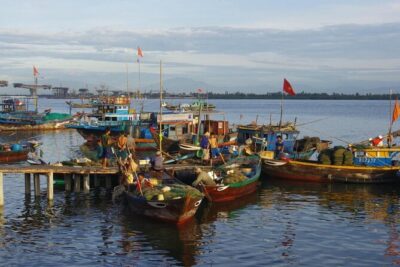
HOI AN Hidden Gems in Rural Villages & River Islands PRIVATE TOUR
Read our review →
Hoi An Countryside Jeep Tour: Food, Culture & Daily Life
Read our review →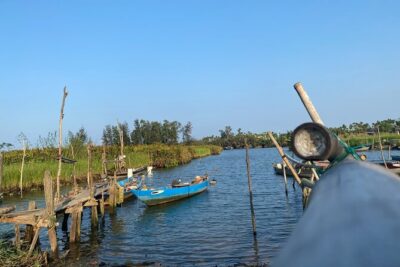
Hoi An Countryside Vespa Tour: Food, Culture & Daily Life
Read our review →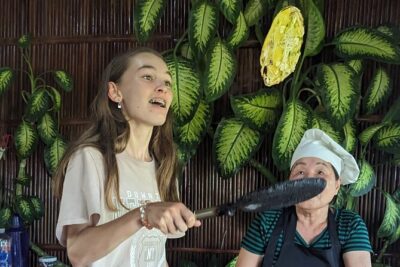
Hoi An Countryside Bike Cycling Tour with Basket Boat and lunch
Read our review →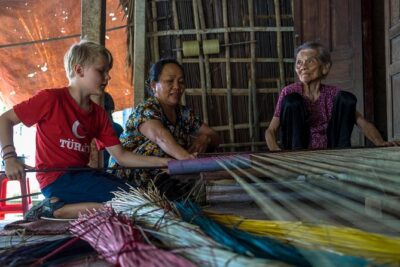
Countryside Bicycle To-Trà Quế village,Carpentryvillage,makingMat
Read our review →Browse the lists this tour appears in