
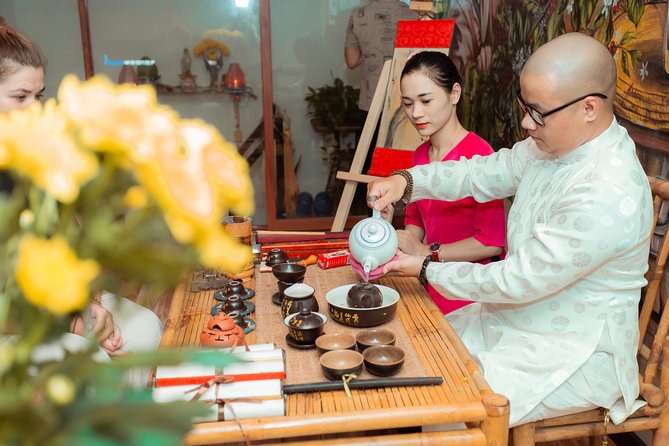
Reviewed · HOI AN COFFEE MAKING CLASSES
Vietnamese Culture and Coffee Making Class
Vietnamese coffee is not just a morning drink here. It is a slow ritual, a strong caffeine hit, and a fine lesson in how history can shape everyday life. In this two-hour Hoi An class, you make five local coffee styles, including salt coffee from Hue, coconut coffee from Hoi An, and Hanoi egg coffee.
I like the hands-on format: you do not simply watch someone pour coffee, and you leave with a phin filter and recipes to use at home. I also like the small family-run setting, where instructors such as Linh bring plenty of humor and personal attention. The main caution is the caffeine. Five coffees in one sitting can leave even a devoted coffee drinker with a serious buzz.
Key points to know before booking
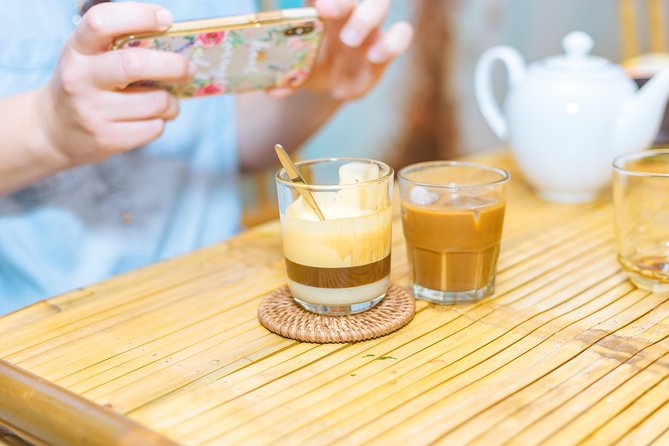
- Five distinct coffees in about two hours: You make traditional black coffee, white coffee, Hue salt coffee, Hoi An coconut coffee, and Hanoi egg coffee.
- A practical souvenir: The price includes a Vietnamese phin filter, the small metal brewer used for slow-drip coffee.
- Coffee with cultural context: The lesson covers Vietnam’s coffee traditions and the effect of French colonization.
- A small-group setting: The class has a maximum of 10 people, though solo bookings may sometimes become a one-person lesson.
- Good value at $15.39: You get the class, coffee-making tools, recipes, five drinks, and a take-home filter.
- Plan your caffeine intake: You can make all five cups, but you do not need to finish every drop.
Five Vietnamese coffees, one compact Hoi An lesson
The class begins at 10C Bà Triệu in Hoi An, and it ends at the same place. There is no hotel pickup or drop-off, so you will need to make your own way to the meeting point. Its central Hoi An location and nearby public transport make this an easy activity to fit between sightseeing plans.
The format is simple and useful. Tools and ingredients are prepared ahead of time, so you spend your time learning and making coffee rather than waiting for equipment to appear. The English-speaking instructor explains each style, demonstrates the method, and then lets you prepare your own cup.
The advertised session lasts about two hours. That gives enough time to discuss the drinks, prepare them, taste them, and ask questions. One person can move through the process quickly, while a full group will naturally take longer as everyone works at the same pace.
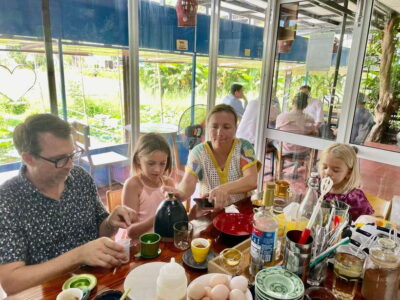
The class is capped at 10 people. That is small enough for a more personal lesson, without making the experience feel like a private cooking demonstration. If few people book your time, you might receive much more direct help. One solo participant described having a one-to-one lesson, which can be a pleasant surprise if you prefer detailed instruction.
More coffee making classes in Hoi An:
- Hoi An: Vietnamese Coffee Culture and Coffee Making Class
★ 4.9 · 4,006 reviews - Hoi An: Vietnamese Coffee Making Workshop at Local Roastery
★ 4.8 · 174 reviews - Hoi An: Lantern and Coffee Making Class
★ 5.0 · 154 reviews
Starting with the phin filter
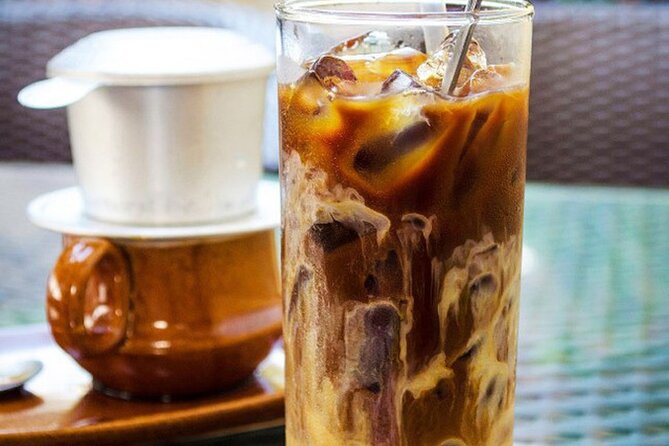
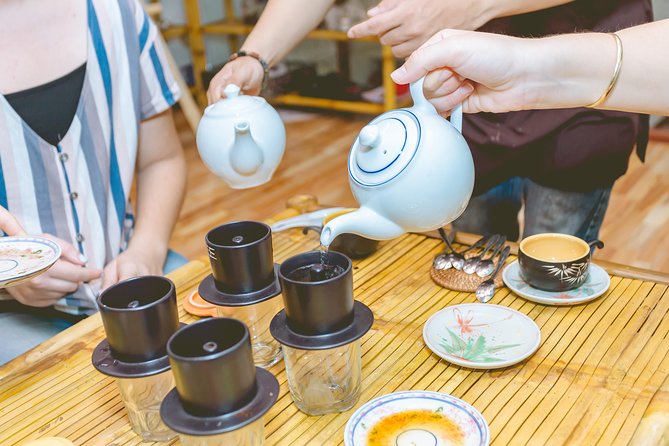
The first coffee introduces the most important tool in Vietnamese coffee making: the phin. This small metal filter sits on top of a cup and lets hot water pass slowly through ground coffee. The result is a concentrated brew that takes more time than a standard machine-made cup.
You learn how to prepare traditional Vietnamese black coffee with the phin. This is the foundation for several of the drinks that follow, so pay attention to the amount of coffee, the water, and the slow drip. The class is designed to be easy to follow, with the necessary items set out in advance and clear instructions throughout.
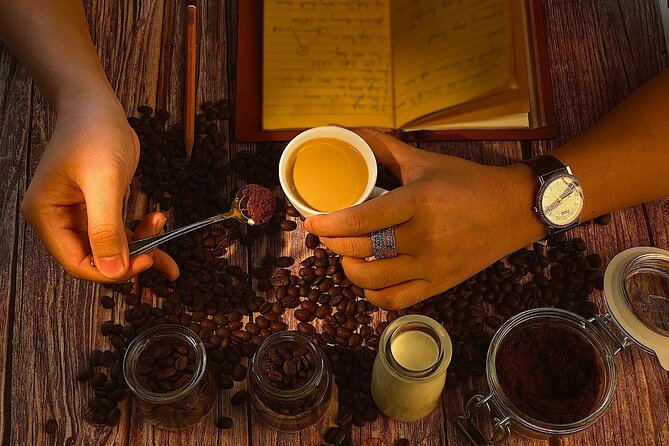
I like this part because the souvenir has a real purpose. You are not taking home a decorative object that will sit in a drawer. You receive the same type of filter used in the class, so you can recreate the method after returning home. Recipes are also provided, making the lesson more useful than a one-time tasting.
The phin also helps explain why Vietnamese coffee feels different from a fast cup made in a machine. The process is visible and unhurried. You watch the coffee drip, wait for it to finish, and then decide how to combine it with the other ingredients.
From white coffee to Hue salt coffee
The second drink is Vietnamese happy white coffee. The name is part of the fun, but the main point is learning another familiar local style built from the strong phin brew. The exact preparation is shown during class, and you get the recipe so you can make it again at home.
Next comes Hue Imperial Salt coffee. This is one of the more distinctive drinks in the session because it uses salt as part of the flavor profile. The name ties the recipe to Hue, Vietnam’s former imperial capital, and shows how coffee traditions can vary from city to city.
Do not expect each cup to taste like a standard coffee with a small change on top. The class presents the drinks as separate local styles, each with its own flavor and story. That variety is the main reason this works better than a basic lesson on brewing technique.
The instructor also explains how coffee became part of Vietnamese life and how French colonization influenced the country’s coffee habits. You get a short cultural history alongside the practical steps, which gives the drinks more meaning without turning the class into a formal lecture.
Hoi An coconut coffee and Hanoi egg coffee

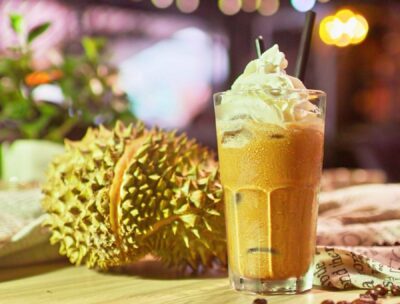
The Hoi An fresh coconut coffee is often the favorite of the five. It brings a local touch to the class and offers a cooler, more dessert-like change after the stronger traditional brews. The session lets you prepare it yourself rather than ordering one already finished at a café.
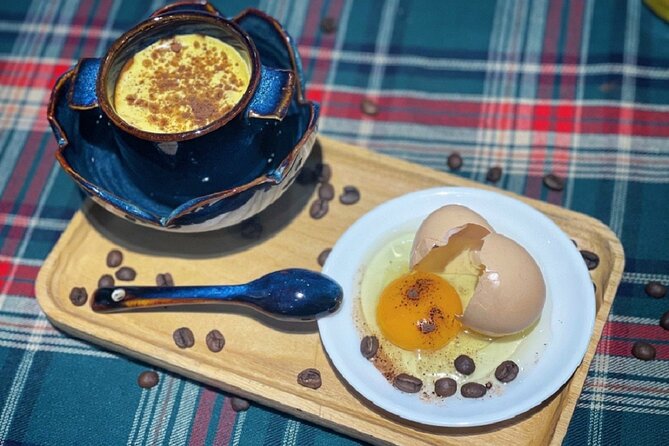
The final featured drink is Hanoi Capital Egg coffee. Egg coffee is rich, creamy, and unlike the black or salted versions. It has become one of Vietnam’s best-known specialty drinks, so learning to make it gives you a taste of Hanoi without leaving Hoi An.
These last two coffees are also where the class feels most playful. You are working with familiar coffee in less familiar forms, and the instructors keep the mood relaxed with jokes and conversation. Humor is clearly part of the teaching style. Most people will enjoy the banter, though one piece of feedback found some of it too long or a little disrespectful. If you prefer a quiet, tightly timed workshop, this may not be your ideal activity.
The five drinks are the central appeal, but do not treat them as five full café servings. The coffee is strong, and several people have found that finishing everything creates a noticeable caffeine rush. You can taste each drink and pace yourself. Sharing or leaving part of a cup is sensible, especially if you have other plans in Hoi An afterward.
A completely different side of Hoi An:
- Hoi An: Basket Boat Ride in the Coconut Forest
★ 4.9 · 4,956 reviews - Hoi An: Vietnamese Foldable Lantern Making Class
★ 4.9 · 3,742 reviews - Cooking Class Hoi An:Local Market, Basket Boat, Fishing & Cooking
★ 5.0 · 3,660 reviews - Hoi An Cooking Class(Market,BasketBoat Crabfishing&Cooking Class)
★ 5.0 · 3,386 reviews
What makes the cultural part worthwhile
A coffee class can easily become a recipe demonstration with a few facts added on. This one aims to connect the drink to Vietnamese daily life. You learn why coffee matters in Vietnam, how local styles differ, and how outside influence helped shape the country’s café culture.
The French introduced coffee during the colonial period, but Vietnam developed its own habits and flavors. The phin filter, sweetened preparations, salt coffee, coconut coffee, and egg coffee all show how a basic imported crop became part of local food culture.
That context is useful because it changes how you notice coffee shops after the class. Instead of seeing every cup as the same strong iced drink, you begin to recognize the method and style. You can also order with more confidence and understand why a slow-drip coffee may take time to prepare.
The family-run character adds another layer. Instructors are described as friendly, funny, and willing to explain the drinks in detail. Linh is specifically praised for being warm and engaging, including with solo participants. The tone is informal rather than polished and corporate, which suits a small cultural activity in Hoi An.
Value at $15.39 per person
At $15.39, the class offers good value if you are interested in coffee or want a short cultural activity that does not require a full day. You receive roughly two hours of instruction, the coffee-making tools used during the session, five drinks, recipes, and a Vietnamese phin filter to take home.
The included filter matters when judging the price. Even if you never make every recipe again, you have a practical souvenir connected directly to the activity. You can also buy the family’s own coffee bean blend if you want to continue the experiment at home. The blend is described as available for purchase, but it is not included in the listed price.
The value is less clear if you do not drink coffee. This is not a broad Vietnamese cooking class with several food dishes. Coffee is the focus from beginning to end, and the caffeine level is substantial. Non-coffee drinkers may find the cultural explanation interesting, but the tasting portion will not offer much variety beyond coffee-based drinks.
For coffee fans, couples, solo visitors, and small groups, the price is easy to justify. It fills two hours, gives you something practical to take home, and offers a social setting where you can meet people from different countries. It also fits well on a day when you want a break from walking around Hoi An’s old streets.
Group size, comfort, and the pace of the class
The maximum group size is 10. That limit should help the instructor keep an eye on each person’s brewing process, though the exact feel will depend on how many people book your session. A full group may be livelier and slower. A small group can feel more personal.
The class is suitable for most people, and service animals are allowed. It is near public transportation, but no hotel transfer is included. Check the start time carefully and allow enough time to reach 10C Bà Triệu.
The two-hour length is worth considering. Most people enjoy the relaxed pace, the conversation, and the chance to make five drinks. One person felt that the session could have been completed in an hour. I would expect the full two hours to suit you if you enjoy tasting, asking questions, and learning the background. If you want a quick coffee stop, it may feel drawn out.
The humor is another personal preference. The instructors use jokes and banter to keep the lesson lively, and many people find that this makes the class more memorable. If you prefer a formal, quiet teaching style, the relaxed approach may not suit you as well.
Practical booking advice for Hoi An

This activity requires good weather. If poor weather causes a cancellation, you can choose another date or receive a full refund. You can also cancel for a full refund if you do so at least 24 hours before the start time. Changes or cancellations inside that period are not accepted, so keep your schedule firm once the deadline passes.
Confirmation is sent within 48 hours, subject to availability. The mobile ticket makes the booking simple, but you still need to get yourself to the meeting point.
Wear whatever is comfortable for sitting and working with coffee. The important preparation is mental rather than physical: do not arrive planning to drink five strong cups in quick succession. Taste slowly, drink water if available, and remember that you can leave some coffee unfinished.
If you are buying beans to take home, check the current import rules for your destination. One person specifically noted bringing the coffee to Australia at the time of their visit, but rules can change. Treat that as a reminder to check before packing coffee for an international flight.
Who should book this coffee class
I would choose this class for anyone who wants a small, social activity with a clear local connection. It is especially good for coffee drinkers who have already tried Vietnamese coffee and want to understand the methods behind it.
It also works well for a solo visitor. The group setting gives you an easy way to meet people, and a small booking may result in extra attention from the instructor. Couples get a lighthearted shared activity, while families with older children may enjoy the hands-on steps if everyone in the group can take part comfortably.
You should think twice if you dislike strong coffee, avoid caffeine, or want a tightly packed sightseeing schedule. The class is not built for rushing. Its charm comes from making each drink, hearing the story behind it, and enjoying the informal conversation.
Should you book the Hoi An coffee class?
Book it if you want more than a café visit. You will make five Vietnamese coffee styles, learn how the phin works, hear how French influence shaped local coffee, and leave with recipes plus a brewing filter. At $15.39, that is a strong return for two hours.
Skip it if you do not enjoy coffee or if a relaxed, joking teaching style sounds tiring. For everyone else, this is a practical and memorable way to spend part of a Hoi An day. Just pace yourself. The best souvenir should be the phin filter, not a headache from trying to finish every cup.
FAQ
Where does the Vietnamese coffee class begin?
The class begins at 10C Bà Triệu, Phường Cẩm Phổ, Hội An, Quảng Nam 560000, Vietnam.
Where does the activity end?
The activity ends back at the meeting point on Bà Triệu.
How long does the class last?
The class lasts approximately two hours.
How many coffees will I make?
The advertised class includes five coffees: traditional Vietnamese black coffee, Vietnamese happy white coffee, Hue Imperial Salt coffee, Hoi An fresh coconut coffee, and Hanoi Capital Egg coffee.
Is hotel pickup included?
No. Hotel pickup and drop-off are not included, so you must make your own way to the meeting point.
What is included in the price?
The price includes coffee-making tools, an instructor and English-speaking guide, and a Vietnamese phin filter to take home.
Can most people participate?
Yes. Most people can participate, and service animals are allowed. The activity is also near public transportation.
What is the cancellation policy?
You can cancel up to 24 hours before the experience for a full refund. Cancellations or changes made less than 24 hours before the start time are not accepted. If poor weather causes cancellation, you will be offered another date or a full refund.
More Hands-on Workshops in Hoi An
- From Hoi An: Market Tour, Basket Boat Ride and Cooking Class
★ 4.8 · 2,208 reviews - Hoi An Full Lantern Making Class- A special Foldable lantern
★ 5.0 · 2,007 reviews - Hoi An Cooking Class(Local market,Basket Boat,Fishing & Cooking)
★ 5.0 · 1,323 reviews - Hoi An: Basket Boat Ride, Cooking Class by Hangcoconut
★ 4.9 · 802 reviews
Just added in Hoi An
- Hoi An: Ylang Ylang Spa Experience (Free pick up for 2pax++)★ 4.5 · 17 reviews
- Vietnamese Cooking Class with Local Family in Hoi An★ 4.9 · 20 reviews
- Hoi An Countryside Bicycle Tour : 25 Km Real Vietnam★ 5.0 · 12 reviews
- Vietnamese Coffee Making Class in Hoi An★ 5.0 · 4 reviews
- Vegetarian Cooking Class with Local Family in Hoi An★ 4.6 · 5 reviews
- Vegetarian Cooking Class W Optional Basket Boat from Hoi An★ 4.5 · 5 reviews
- My Son Sanctuary Private Tour – Early Morning or Half Day Tour★ 5.0 · 15 reviews
- Traditional Vietnamese Cooking Class in Leina Cookery★ 5.0 · 12 reviews
Hoi An Coffee Making Classes, compared.
Vietnamese Coffee Culture and Coffee Making Class
Read our review →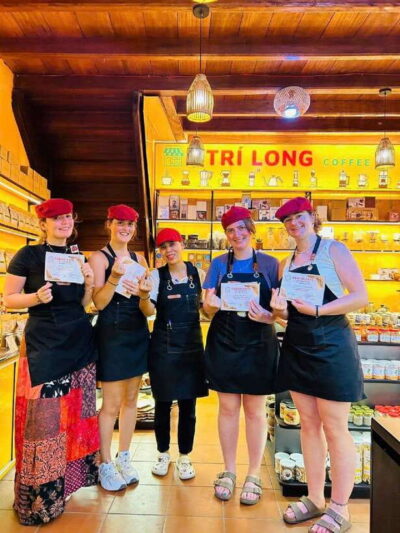
Vietnamese Coffee Making Workshop at Local Roastery
Read our review →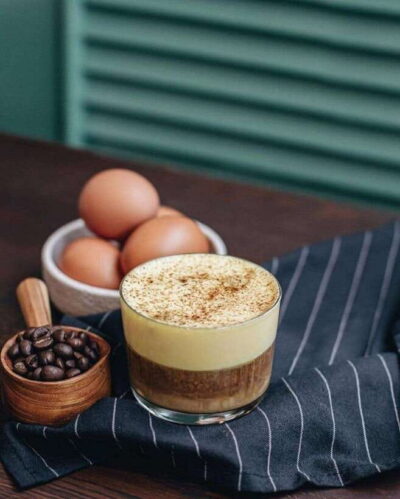
Hands-on Vietnamese Coffee Making Class with Long
Read our review →
Unique Lantern and Coffee Making Class in Hoi An
Read our review →
Hoi An Fishing Tour Private-Lantern /Cafe Making Class by Lunch
Read our review →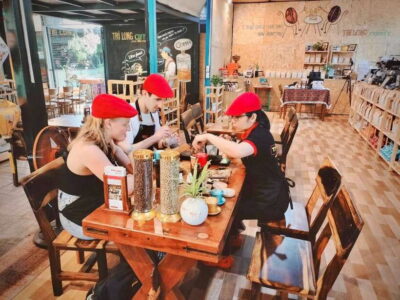
Hoi An Buffaloes Riding/Coracle Boat Tour/Coffee Class with Lunch
Read our review →Browse the lists this tour appears in