
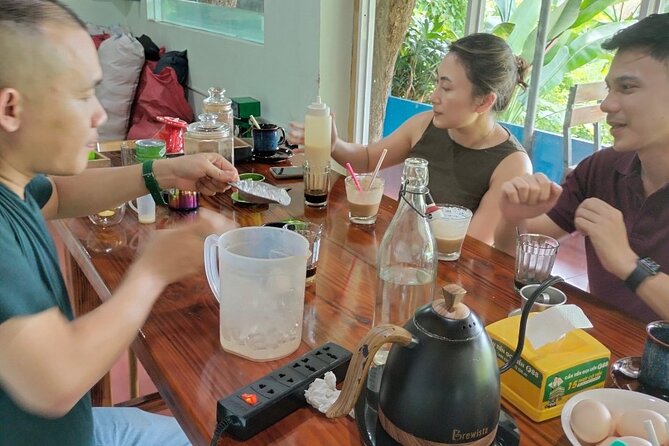
Reviewed · HOI AN ANCIENT TOWN WALKING TOURS
Experience Making Coffee with Tri Long in Hoi An old Town
The best part of this Hoi An experience is that coffee is not treated as a quick drink. You learn how Vietnamese coffee developed, see how beans are roasted, and make a cup yourself. I especially like the choice of egg, coconut, or salt coffee, plus the chance to try the traditional phin filter.
I also like the small group limit of 10 people and the practical finish: recipes to take home and a certificate. The main caution is simple but important: confirm exactly how many drinks are included, since the course description and one booking experience did not appear to match.
Key points to know before booking
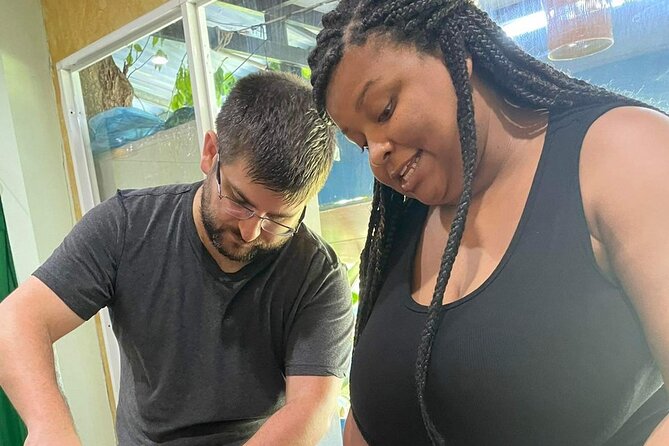
- Three coffee styles are offered: Choose from egg coffee, coconut coffee, or salt coffee, depending on the course arrangement.
- The phin filter lesson is advertised as free: This is the classic Vietnamese brewing method and a useful skill to take home.
- You make the drinks yourself: The class includes demonstrations, explanations, and hands-on preparation.
- The class lasts about 90 minutes: That gives enough time for background, brewing, tasting, and questions without taking over your day.
- Groups are capped at 10 people: This should allow closer contact with the instructor and easier participation.
- Check the drink package before paying: The wording can be read as three drinks plus the phin course, but this may not be what every booking includes.
Starting at Trí Long Coffee in Hoi An Old Town
Your class begins at Trí Long Coffee, at 88 Đ. Phan Chu Trinh in Minh An, Hoi An. The experience returns to this same meeting point, so you do not need to arrange a separate ride back from another part of town.
That location suits a short cultural activity. Hoi An Old Town is a walking area, and a 90-minute coffee class can fit neatly between sightseeing, meals, and an evening stroll. The mobile ticket is useful if you are carrying your booking on your phone rather than printing it.
The meeting point matters because this is not a coffee farm visit or a roastery tour outside Hoi An. The focus is on the drink, its preparation, and the culture around it. You arrive ready to sit, listen, handle the equipment, and taste what you make.
The class has a maximum of 10 people. That is a practical size for a hands-on lesson. If everyone is preparing a drink, a smaller group makes it easier to see the demonstration and get help with each step.
More Ancient Town walks in Hoi An:
- Hoi An Ancient Town Walking Tour with a Local
★ 5.0 · 517 reviews - The Lantern Lady: Traditional Lantern Class in Old Town
★ 4.9 · 444 reviews - Hoi An Ancient Town – Walking Tour with Local Guide
★ 4.9 · 385 reviews
The coffee story comes before the coffee cup
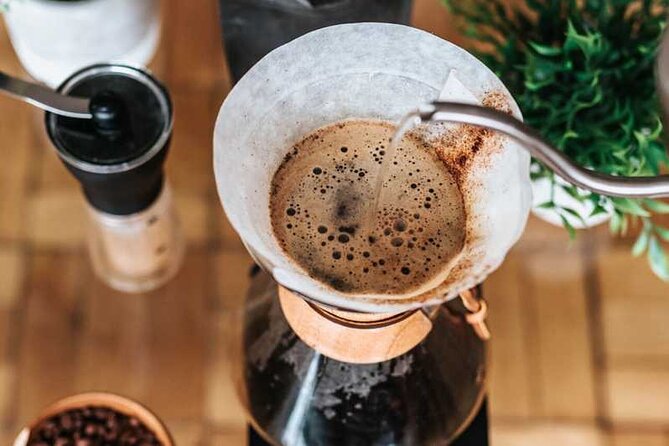
The experience begins with an introduction to Vietnamese coffee culture. You learn why coffee has such a clear place in daily life in Vietnam and how the familiar cà phê sữa Sai Gon fits into that tradition.
The description refers to coffee made with a special blend and silky custard sweetened with fresh cow’s milk. That wording points to the sweet, creamy side of the lesson, rather than a plain black coffee tasting. If you usually drink coffee without sugar, the flavors may feel strong and dessert-like. If you enjoy creamy coffee, this part should be right up your street.
The historical section gives the drinks more meaning. Instead of treating egg coffee, coconut coffee, salt coffee, and phin coffee as random menu choices, the class connects them to Vietnamese coffee habits. That context is useful because the phin is not simply a small metal gadget. It produces a slower, concentrated cup and is central to the familiar Vietnamese coffee experience.
The staff are described as professional, lively, and humorous. That tone matters in a short class. Coffee preparation can become a dry lecture if the instructor only lists dates, ingredients, and equipment. Here, you should expect explanations mixed with entertainment rather than a formal classroom atmosphere.
No individual instructor names are provided, so you should not book this expecting a particular named guide. The value comes from the team-led format and the practical demonstrations.
Seeing how Vietnamese beans become coffee
The class also covers roasting. The available information does not give a separate roasting location, a full roasting demonstration schedule, or the exact beans used, so you should think of this as an introduction rather than a full roastery tour.
Still, roasting is an important part of the lesson. It helps explain why Vietnamese coffee can taste bold, dark, and intense. You get a better sense of what happens before the grounds reach the filter, and why the final drink is often paired with sweet milk, coconut, egg cream, or even salt.
This section is especially useful if you normally buy coffee by the cup without thinking about preparation. The class links the beans, the roast, the brewing tool, and the finished drink. That gives you a more useful understanding than simply being handed a finished cà phê sữa.
Do not expect a long technical workshop on roasting temperatures or bean grading based on the information provided. The emphasis is on accessible learning and making drinks yourself.
Choosing egg, coconut, or salt coffee
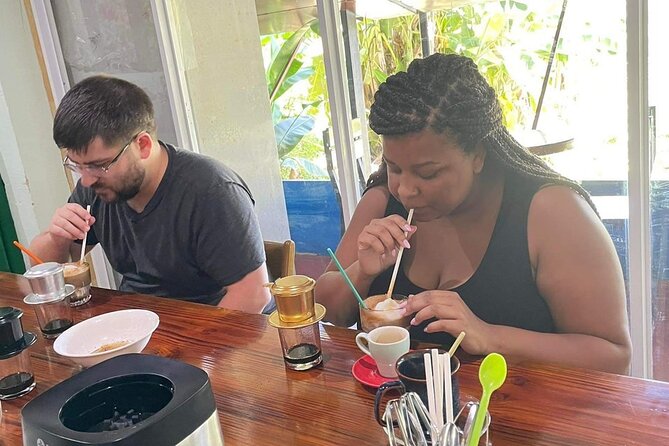
The main paid course lets you select from three styles. The exact number of drinks included should be confirmed before booking, but these are the three preparations described.
More coffee making classes in Hoi An:
- Hoi An: Vietnamese Coffee Culture and Coffee Making Class
★ 4.9 · 4,006 reviews - Vietnamese Culture and Coffee Making Class
★ 5.0 · 497 reviews - Hoi An: Vietnamese Coffee Making Workshop at Local Roastery
★ 4.8 · 174 reviews - Hoi An: Lantern and Coffee Making Class
★ 5.0 · 154 reviews
Special egg coffee
Egg coffee is the most distinctive of the choices. It is described as aromatic and flavorful, with the creamy custard element that makes the drink famous.
You should expect a drink that feels closer to a dessert than a simple morning brew. The lesson is useful here because you do not just taste the result. You see how the coffee and creamy topping come together, then prepare your own cup with guidance.
Egg coffee suits you if you like sweet, soft textures and want to try one of Vietnam’s best-known modern coffee creations. It may be less appealing if you prefer a sharp, unsweetened black coffee.
Coconut coffee
Coconut coffee is presented as refreshing and delicious, with a clear tropical character. It is a good choice if you want something cooler and lighter in feel than egg coffee, though the coffee flavor still remains part of the drink.
The practical benefit is that you learn how the coconut element is combined with coffee rather than simply ordering it from a menu. One of the strongest details from the available feedback is that the hands-on preparation and clear demonstrations worked well for this drink.
Choose coconut coffee if you enjoy coconut desserts, chilled drinks, or softer coffee flavors. It is also a sensible pick if egg coffee sounds too rich.
Salt coffee
Salt coffee has the most unusual name, but the salt is intended to alter the drink rather than make it taste like soup. The course presents it as a coffee with an intriguing salty twist.
This is the choice for curious eaters. The class lets you see how a small savory note changes the balance of a sweet coffee. It is also a good reason to take the class instead of simply ordering a familiar iced coffee in Hoi An.
If salt coffee is your main goal, confirm that it is available in your selected course. The wording says you can choose among the three styles, but the exact package arrangement has caused confusion.
The phin filter lesson is the most useful takeaway
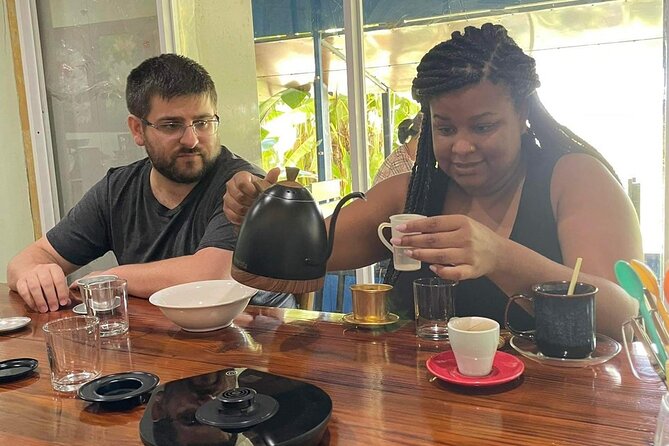
The Vietnamese phin filter course is advertised as free alongside the other options. This is one of the best features because the method is simple enough to repeat after your holiday.
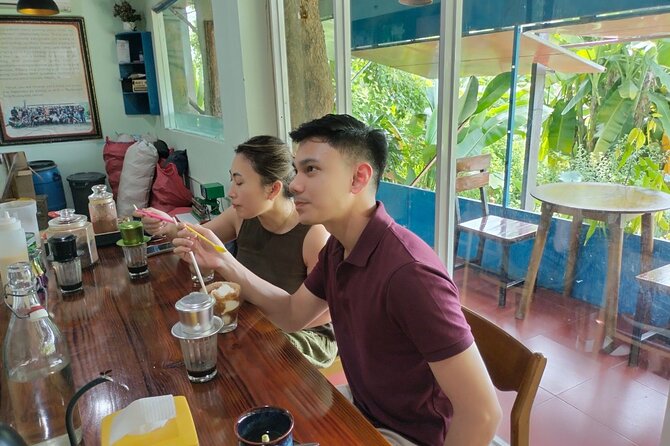
A phin is a small metal filter that sits over a cup. Coffee grounds go inside, water is added, and the coffee drips slowly below. The pace is part of the experience. You are not pressing a button and walking away. You watch the drink form, then add the ingredients that give Vietnamese coffee its familiar character.
The course teaches the method rather than merely showing you a finished phin. You should expect a demonstration followed by a chance to brew your own cup. That hands-on step is important. It helps you learn the right order of preparation and gives you a better idea of how much patience the filter requires.
The free wording needs attention. One person arrived expecting three coffees plus the phin course but was told only two coffees were included. That is not a minor detail when the price is based on the number of tastings. Ask the provider to confirm, in writing if possible, whether your booking includes the phin coffee and how many additional drinks you will prepare.
Recipes, a certificate, and a useful souvenir
The class ends with a certificate and recipes to take home. These are small extras, but they improve the value of a short activity.
A certificate is a pleasant reminder, especially if you are taking the class as a couple, family, or small group. The recipes matter more in practical terms. A coffee class has limited value if everything stays in Hoi An. Written instructions give you a chance to repeat the egg, coconut, salt, or phin method later.
The recipes may not replace exact local ingredients or equipment, but they give you a starting point. You can use them to remember the steps and proportions discussed during the lesson.
The final part also gives you a chance to ask questions. The available feedback highlights clear explanations and good demonstrations, so pay attention during the preparation rather than treating the class as only a tasting stop.
Is $17 good value for 90 minutes?
At $17 per person, the price is reasonable if you want an activity rather than just a drink. You are paying for instruction, cultural background, coffee preparation, tasting, recipes, and a certificate. A small group limit also gives the fee more weight than a simple café purchase.
The value depends heavily on what your booking includes. If you make two specialty coffees and also receive the phin lesson, the price can work well for a compact cultural class. If you expect three specialty coffees plus a phin coffee, do not assume that all four are included without confirmation.
The experience is less suitable if your only aim is to drink excellent coffee as cheaply as possible. You could spend less at a café. The point here is learning how the drinks are made and understanding why these styles matter in Vietnam.
I would judge the price favorably for coffee fans, first-time visitors to Vietnam, and anyone who enjoys a short hands-on activity. I would be more cautious for people who dislike sweet drinks or who do not want to spend part of their Hoi An day in a lesson.
Who will enjoy this class most?
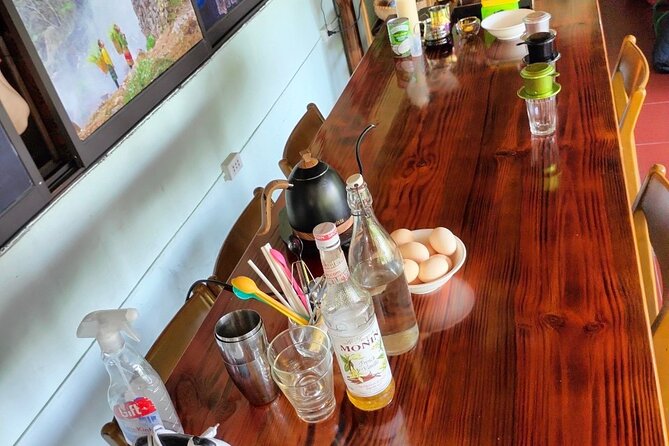
This is a good match for you if you enjoy food and drink experiences with a local connection. You do not need advanced coffee skills. The course is designed for beginners and includes explanations and demonstrations before you make the drinks.
It also suits people who like to participate. You will not simply sit through a talk and receive a cup at the end. The point is to prepare the coffee yourself.
Families and small groups may find the 10-person limit appealing, although the supplied information does not specify a minimum age or child policy. Couples can also use the class to compare two styles, such as egg and coconut coffee.
Coffee experts may find the roasting section fairly introductory, since no advanced technical detail is promised. The course is better understood as a friendly introduction to Vietnamese coffee culture than as professional barista training.
What to confirm before you go
The biggest practical issue is the number of drinks. The course description presents three specialty choices and a free phin course, but one experience ended with only two drinks being included. Contact the provider or booking platform before arrival and ask:
- Which specialty coffee or coffees are included?
- Is the phin filter coffee included as a separate preparation?
- Can you choose egg, coconut, or salt coffee?
- Do all participants receive the recipes and certificate?
These questions take a minute and can prevent an unpleasant surprise. The provider is DN Tour, and confirmation is sent at the time of booking.
You can cancel up to 24 hours before the experience for a full refund. The activity uses a mobile ticket, begins and ends at Trí Long Coffee, and lasts about one hour and 30 minutes.
Should you book the Trí Long Coffee class?
Book it if you want to do more than order a Vietnamese coffee. The strongest reasons are the hands-on brewing, the choice of unusual styles, the phin filter lesson, and the small group size. The recipes give the class lasting value, while the certificate adds a cheerful finish.
I would especially recommend it to anyone curious about egg coffee, coconut coffee, or salt coffee and unsure how these drinks are made. It is also a smart rainy-day or midday Hoi An activity because it takes only about 90 minutes.
I would skip it if you want a serious roasting course, a long coffee farm visit, or a guaranteed tasting of several drinks without checking the details first. Most important, confirm the included drinks before booking. With that point clear, the $17 price is a fair exchange for a friendly, practical introduction to one of Vietnam’s most enjoyable food traditions.
FAQ
Where does the coffee experience begin?
It begins at Trí Long Coffee, 88 Đ. Phan Chu Trinh, Phường Minh An, Hội An, Quảng Nam, Vietnam.
Where does the activity end?
The activity ends back at the same meeting point, Trí Long Coffee.
How long does the experience last?
The experience lasts approximately one hour and 30 minutes.
How much does the experience cost?
The listed price is $17 per person.
Is a mobile ticket available?
Yes. The experience includes a mobile ticket.
How many people can join the class?
The activity has a maximum of 10 participants.
What coffee styles can I choose from?
The course offers Special Egg Coffee, Coconut Coffee, and Salt Coffee.
Is the Vietnamese phin filter course included?
The experience describes the Vietnamese phin filter course as free. Confirm the exact drink inclusions before booking because the number of included coffees may vary.
Will I learn about Vietnamese coffee culture?
Yes. The class covers Vietnamese coffee culture, the history of Vietnamese coffee, roasting, and preparation.
Can I cancel for a full refund?
Yes. You can cancel up to 24 hours before the experience for a full refund.
Just added in Hoi An
- Hoi An: Ylang Ylang Spa Experience (Free pick up for 2pax++)★ 4.5 · 17 reviews
- Vietnamese Cooking Class with Local Family in Hoi An★ 4.9 · 20 reviews
- Hoi An Countryside Bicycle Tour : 25 Km Real Vietnam★ 5.0 · 12 reviews
- Vietnamese Coffee Making Class in Hoi An★ 5.0 · 4 reviews
- Vegetarian Cooking Class with Local Family in Hoi An★ 4.6 · 5 reviews
- Vegetarian Cooking Class W Optional Basket Boat from Hoi An★ 4.5 · 5 reviews
- My Son Sanctuary Private Tour – Early Morning or Half Day Tour★ 5.0 · 15 reviews
- Traditional Vietnamese Cooking Class in Leina Cookery★ 5.0 · 12 reviews
Hoi An Ancient Town Walking Tours, compared.
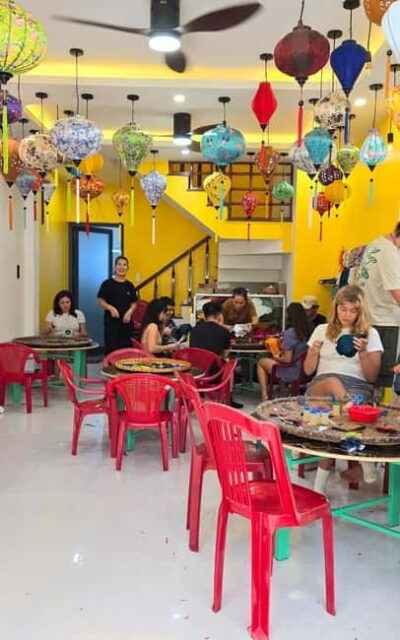
The Lantern Lady: Traditional Lantern Class in Old Town
Read our review →
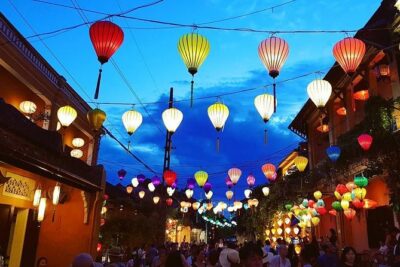
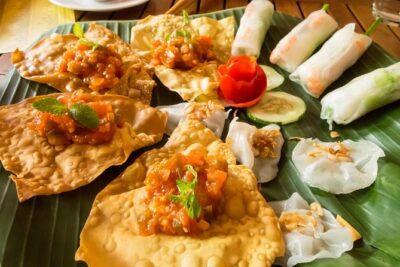
Hoi An Night Market – Ancient Town street food tours by Night
Read our review →
Hoi An Ancient Town – Night Market Street Food Tours By Night
Read our review →
Browse the lists this tour appears in