
Reviewed · HOI AN COFFEE MAKING CLASSES
Hoi An Coffee Roastery Experience: Brew & Taste Like a Local
Vietnamese coffee is not just a strong drink served over ice. At Trí Long Coffee, you see how the bean changes from green seed to fragrant roast, then make two traditional coffees yourself. The small-batch roasting demonstration is the heart of the hour: you hear the beans crack, feel the heat, and taste why roast level matters.
I like the clear farm-to-cup story and the choice of drinks, especially the chance to try Central Vietnam’s creamy Salt Coffee or the familiar Phin Filter style. I also like that the class works in rainy weather and includes ingredients, tools, instruction, and two drinks for $16.
The main thing to consider is the setting. This is a working coffee shop, and it may be noisy, so it is not the best pick if you want a quiet tasting. Arrive five minutes early, and look for the guide in a red hat outside the shop.
Key points to know before you book
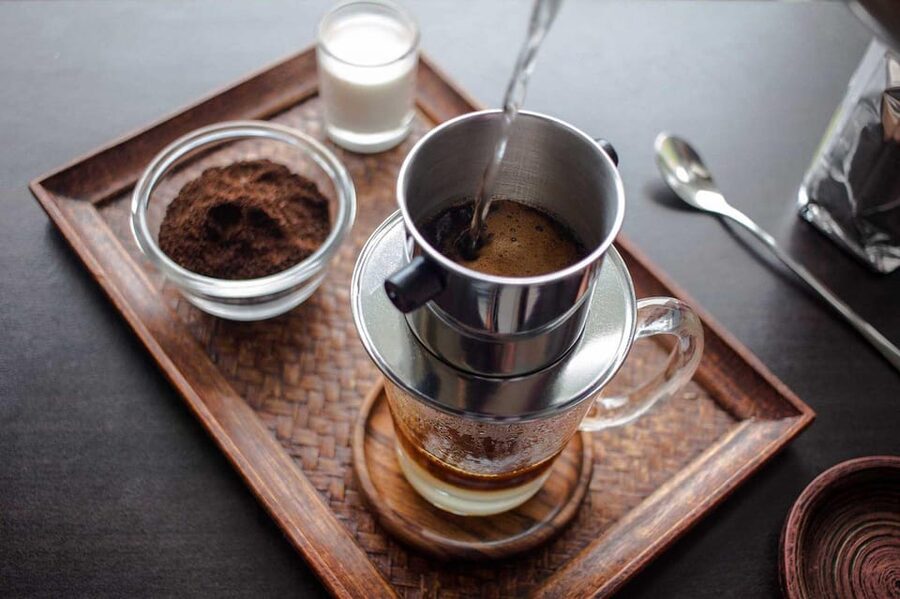
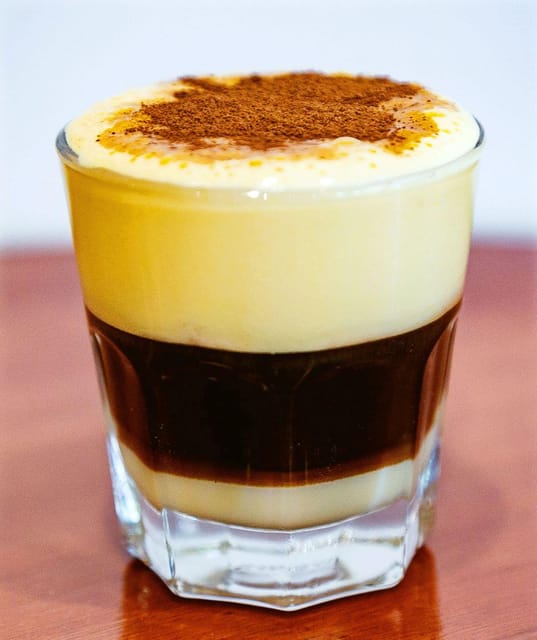
- Two drinks are included: Choose two from Phin Filter, Egg Coffee, Coconut Coffee, and Salt Coffee.
- The roasting demonstration is hands-on in feel: You watch small-batch roasting, listen for the beans cracking, and learn how roast level affects taste.
- The meeting point is central: Find Trí Long Coffee at 88 Phan Châu Trinh Street in Hoi An.
- The class suits beginners: No coffee-making experience is required, and the English-speaking host guides each step.
- It works in any weather: The workshop takes place indoors, though the coffee shop can be loud.
- The price covers more than a tasting: At $16, you receive a roastery visit, equipment, ingredients, instruction, and two handmade coffees.
Why this one-hour coffee class is worth your time
Hoi An offers plenty of cafés, but ordering a drink tells you only the last part of the story. This workshop lets you see the work behind the cup. You learn about Vietnam’s coffee trade, roasting methods, and the local habit of turning coffee into drinks that can be sweet, creamy, salty, or coconut-scented.
I see the activity as a useful break from sightseeing. The class is only one hour, so it will not take over your day, and the indoor setting gives you a sensible plan during a hot afternoon or a spell of rain. You leave with more than caffeine. You understand why Vietnamese coffee tastes so forceful and why the country’s coffee drinks have such distinct textures.
The format is friendly to beginners. You do not need to know the difference between a light and dark roast, or have any practice with a Phin filter. The coffee specialist explains the process in English and helps you handle the tools and ingredients.
The experience has a five-star rating from three recorded bookings, including one note that the café was very informative but unfortunately loud. That is useful information. The noise does not cancel out the workshop, but you should expect a café atmosphere rather than a silent tasting room.
More coffee making classes in Hoi An:
- Hoi An: Vietnamese Coffee Culture and Coffee Making Class
★ 4.9 · 4,006 reviews - Vietnamese Culture and Coffee Making Class
★ 5.0 · 497 reviews - Hoi An: Vietnamese Coffee Making Workshop at Local Roastery
★ 4.8 · 174 reviews
Finding Trí Long Coffee on Phan Châu Trinh Street
Your meeting point is Trí Long Coffee, at 88 Phan Châu Trinh Street in central Hoi An. You do not need hotel pickup, since the activity begins at the shop, and the location is described as easy to find in the city center.
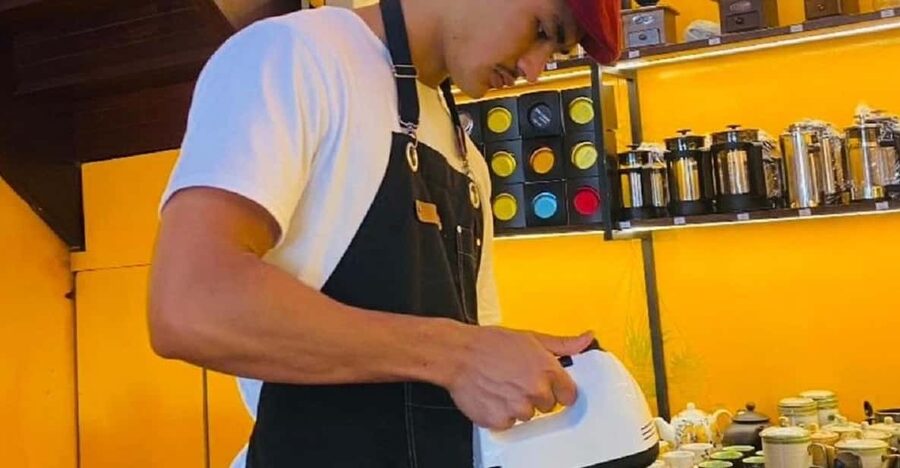
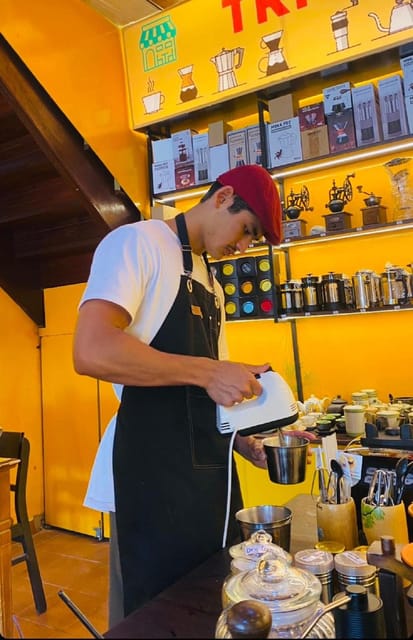
Look outside for the host wearing a red hat. That small detail matters in a busy street setting, especially if you arrive close to the start time. I would arrive five minutes early, as requested, rather than turning up at the last second and missing the introduction.
There is no transport included, so plan your own way to the café. The central location makes this easiest if you are already exploring Hoi An on foot or staying nearby. If you have trouble locating the shop, contact the provider through your booking.
From Vietnam’s coffee story to the roasting drum
The opening talk covers Vietnam’s coffee journey, from the early coffee trade to the drinks now associated with the country. This background gives the tasting some context. Instead of treating Egg Coffee or Coconut Coffee as novelty recipes, you begin to see them as part of a local coffee culture built around strong beans and inventive additions.
The instructor then turns your attention to the roasting process. You watch fresh beans move through small-batch roasting and learn that roast level changes more than color. It can affect aroma, sweetness, acidity, and body, which are the four useful ideas to carry into the tasting.
The details are physical and easy to follow. You can feel the warmth near the roasting drum and listen for the sound of the beans cracking. These small signs make the lesson more memorable than a spoken explanation alone.
The roasting segment is also where the class earns its price. A simple coffee demonstration would be easy to forget, but seeing the beans change in front of you helps explain why freshly roasted coffee smells so different from a packaged product. You are not only drinking the result. You are seeing one of the key steps that creates it.
Choosing your two Vietnamese coffee styles
You choose two drinks from four signature options. Each one gives you a different way to understand Vietnamese coffee.
Phin Filter coffee is the most direct choice. The metal Phin filter sits over the cup and lets coffee drip slowly. This is the option I would choose if you want to focus on the bean itself and learn a basic Vietnamese brewing method.
Egg Coffee changes the drink into something creamy and dessert-like. The egg mixture gives the coffee a soft texture and a sweet finish. It is a good choice if you want to try one of Vietnam’s best-known specialty drinks rather than a plain brew.
Coconut Coffee adds a cool, fragrant contrast to the strong coffee. The coconut element gives you a different texture and flavor from Egg Coffee, making it a useful second choice if you want variety.
Salt Coffee is the most regionally interesting option. It is associated with Central Vietnam and uses a salty element to shape the taste of the coffee. If you are visiting Hoi An and want a drink with a clear connection to this part of the country, this is the one I would put high on the list.
You can choose two of the four, so think about contrast. Phin Filter with Egg Coffee gives you traditional brewing beside a creamy recipe. Coconut Coffee with Salt Coffee gives you two unusual flavor combinations. The exact selection may depend on availability, but the activity presents these four styles as the choices.
Vegan and non-dairy options are available for selected coffee types. If this matters to you, ask the host which drinks can be adapted before you start. The information does not promise a non-dairy version of every recipe, so it is better to confirm your choices at the café.
A completely different side of Hoi An:
- Hoi An: Basket Boat Ride in the Coconut Forest
★ 4.9 · 4,956 reviews - Hoi An: Vietnamese Foldable Lantern Making Class
★ 4.9 · 3,742 reviews - Cooking Class Hoi An:Local Market, Basket Boat, Fishing & Cooking
★ 5.0 · 3,660 reviews - Hoi An Cooking Class(Market,BasketBoat Crabfishing&Cooking Class)
★ 5.0 · 3,386 reviews
Making the coffee yourself, one step at a time
The workshop is not just a demonstration followed by a drink handed to you. You prepare both cups yourself, with the ingredients and equipment supplied. The instructor guides you through the process, so you can concentrate on the method rather than worry about getting every step perfect.
That hands-on part changes the pace of the experience. You measure, prepare, brew, and watch the drink take shape. You also get a clearer sense of how texture and strength come from the equipment and ingredients, not just from the beans.
The Phin filter is especially useful for first-time visitors to Vietnam. It is a simple tool, but the slow drip makes the coffee feel different from a fast espresso or a standard filter machine. Learning to use it here gives you a method you can recognize in cafés around the country.
The specialty drinks add the fun. Egg Coffee requires attention to its creamy topping, while Coconut Coffee and Salt Coffee show how local recipes alter the character of a strong brew. The goal is not professional barista training. It is a short, practical lesson that lets you understand the drink by making it.
The two cups are made for you to enjoy during the session. That included tasting is important at $16, since you are not paying only to watch a roaster work. You get an activity, an explanation, and two finished drinks.
A cozy finish, with one noise warning
After making the coffee, you sit down and enjoy it in the café. Local music and the old-town setting help give the hour a relaxed feel, though the shop may not be quiet. One recorded comment specifically described the café as very loud, so I would not book this expecting a hushed sensory tasting.
That sound level may matter if you have hearing difficulty or want to take careful notes. On the other hand, a working café has its own appeal. You are drinking coffee in a real local setting rather than in a staged classroom built only for visitors.
Use this final part to compare the two drinks. Notice the aroma first, then the sweetness, acidity, body, and texture discussed during the roasting lesson. Even a few deliberate sips can help you connect the talk to what is in your cup.
The activity is suitable for all ages, and no previous coffee experience is needed. Comfortable clothing is a sensible choice because the roasting area can be warm. The workshop is indoors, so weather will not affect the class itself.
Coffee, cocoa, filters, and Hoi An gifts
Once the workshop ends, you can look around the roastery’s souvenir area. The selection includes roasted beans, ground coffee, cocoa, local ceramics, handmade filters, and Hoi An-inspired gifts.
This is a useful final stop if you want to continue the coffee habit at home. Whole beans or ground coffee let you repeat the taste, while a handmade Phin filter gives you the equipment to try the Vietnamese brewing style yourself. Cocoa and ceramics offer alternatives if you do not want to buy more coffee.
I would wait until after the class before choosing what to purchase. The roasting talk gives you a better idea of what kind of coffee you prefer, and tasting two drinks helps you avoid buying a souvenir based only on its packaging. Personal expenses and extra drinks are not included, so set aside money if you plan to shop.
The souvenir area also makes the activity more useful for people who are looking for a small gift. Coffee is lighter and easier to pack than many Hoi An purchases, although the best choice depends on your luggage and how long you still have to travel.
What $16 buys you in Hoi An
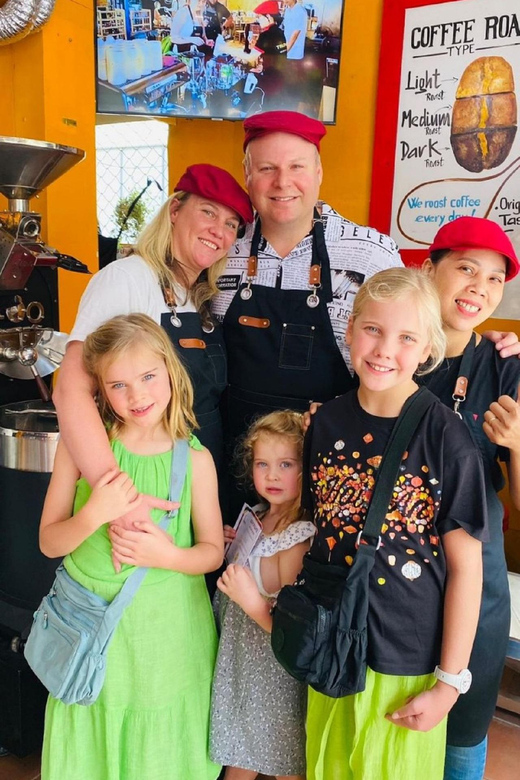
At $16 per person, this is a fair value for a compact activity. The price includes a guided roastery visit, a coffee specialist, all equipment and ingredients, the roasting lesson, and two drinks that you make yourself.
You are paying for participation rather than a long sightseeing tour. The class lasts only one hour, so it is not designed to fill half a day or provide a meal. That short length is an advantage if you have a packed Hoi An schedule, but it also means the lesson will stay focused and cannot cover every part of Vietnam’s coffee industry.
The value is strongest for three kinds of people: first-time visitors curious about Vietnamese coffee, coffee drinkers who want to understand roasting, and anyone looking for an indoor activity. If you only want a cheap cup of coffee, ordering at a café will cost less. If you want to make two local drinks and learn how they are built, the workshop makes more sense.
The reserve-now-and-pay-later option also helps if your plans are still changing. You can cancel up to 24 hours in advance for a full refund, according to the activity terms. These policies are useful, but the bigger decision is whether you want an active class rather than a simple café stop.
Who should book this coffee experience?
I would recommend it to coffee beginners because the instruction starts at the basics and stays practical. You do not need special equipment, prior knowledge, or a strong interest in roasting to take part.
It also suits families and mixed-interest groups. The activity is suitable for all ages, and making a drink gives children or non-coffee experts something to do while the instructor explains the process. The warm roasting area and possible café noise are the main comfort points to keep in mind.
Coffee fans will find the small-batch roasting and four drink choices most rewarding. If you already know your favorite coffee style, choose a contrasting second drink. That gives you a better sense of how Vietnamese recipes change the same basic ingredient.
I would be less likely to choose this for someone seeking a quiet, polished tasting room or a long technical course. The shop can be loud, the class is brief, and the exact level of detail will depend on the English-speaking host and the questions you ask.
Should you book the Hoi An Coffee Roastery Experience?
Book it if you want a short, active introduction to Vietnam’s coffee culture, especially if you are curious about Egg Coffee, Coconut Coffee, or Central Vietnam’s Salt Coffee. The combination of roasting, brewing, tasting, and souvenir shopping gives the hour a clear purpose.
Choose the Phin Filter and one specialty drink if you want the most useful comparison. Arrive five minutes early, wear comfortable clothes, and expect café noise rather than silence. At $16, the experience offers solid value for anyone who wants to understand the cup instead of simply ordering one.
FAQ
Where does the coffee workshop meet?
Meet your host outside Trí Long Coffee at 88 Phan Châu Trinh Street in central Hoi An. Look for the guide wearing a red hat.
How long does the experience last?
The workshop lasts one hour. Check availability for the starting times offered on your chosen date.
Which drinks can I make?
You can choose two of four signature drinks: Phin Filter coffee, Egg Coffee, Coconut Coffee, and Salt Coffee.
Is the workshop taught in English?
Yes. The host or greeter and coffee specialist provide the activity in English.
Do I need previous coffee-making experience?
No. The workshop is suitable for all ages, and the instructor provides step-by-step guidance with all ingredients and equipment included.
Is the activity accessible and suitable in bad weather?
The workshop is wheelchair accessible and takes place indoors, so it can run in sunny or rainy weather. Comfortable clothing is recommended because the roasting area may be warm.
Just added in Hoi An
- Hoi An: Ylang Ylang Spa Experience (Free pick up for 2pax++)★ 4.5 · 17 reviews
- Vietnamese Cooking Class with Local Family in Hoi An★ 4.9 · 20 reviews
- Hoi An Countryside Bicycle Tour : 25 Km Real Vietnam★ 5.0 · 12 reviews
- Vietnamese Coffee Making Class in Hoi An★ 5.0 · 4 reviews
- Vegetarian Cooking Class with Local Family in Hoi An★ 4.6 · 5 reviews
- Vegetarian Cooking Class W Optional Basket Boat from Hoi An★ 4.5 · 5 reviews
- My Son Sanctuary Private Tour – Early Morning or Half Day Tour★ 5.0 · 15 reviews
- Traditional Vietnamese Cooking Class in Leina Cookery★ 5.0 · 12 reviews
Hoi An Coffee Making Classes, compared.

Vietnamese Coffee Culture and Coffee Making Class
Read our review →
Vietnamese Coffee Making Workshop at Local Roastery
Read our review →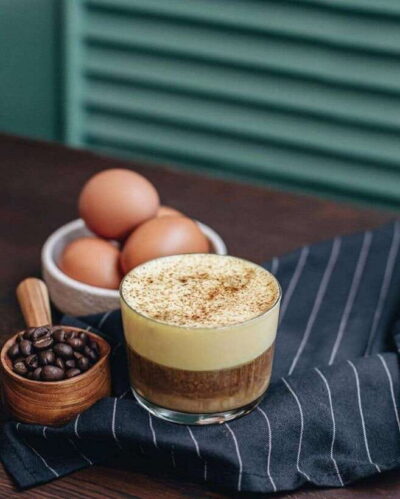
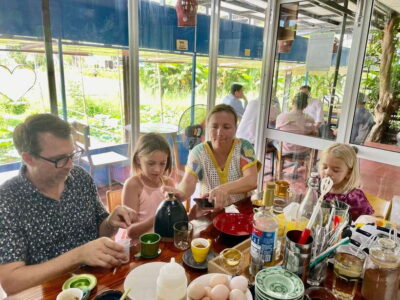
Hands-on Vietnamese Coffee Making Class with Long
Read our review →
Unique Lantern and Coffee Making Class in Hoi An
Read our review →
Hoi An Fishing Tour Private-Lantern /Cafe Making Class by Lunch
Read our review →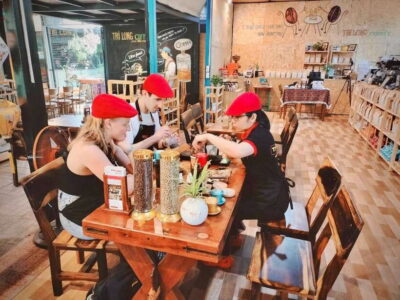
Browse the lists this tour appears in