
Reviewed · HOI AN BANH MI AND RICE PAPER CLASSES
Hoi An: City Tour, Banh my and Coffee
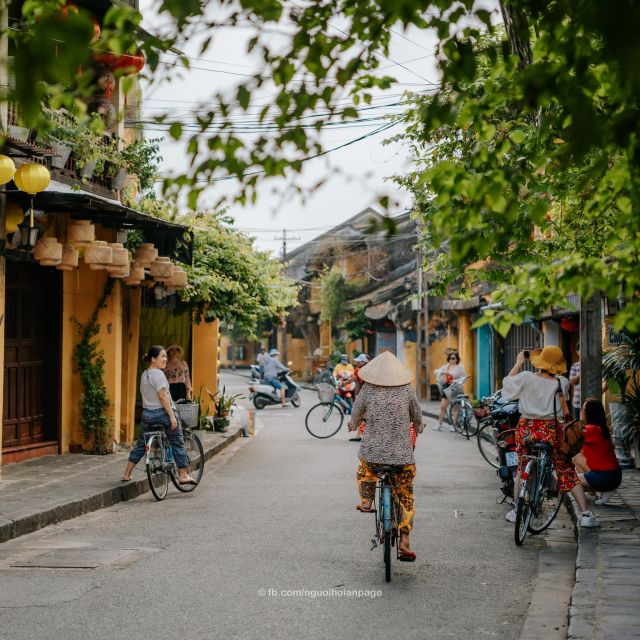
Hoi An’s old town is easiest to understand on foot, one narrow lane and old trading house at a time. This three-hour walking tour gives you the basics quickly, from the Japanese Covered Bridge and Chinese Assembly Halls to the market, museum, and traditional homes.
I like the way the tour combines landmarks with local food, so you are not only looking at old buildings. I also like the coffee stop and banh mi tasting, two small but useful windows into daily life. The main drawback is its pace and style: the guide is described as sweet and informative, but the tour may feel dull if you want lively stories, jokes, or a fast-moving city walk.
Key points at a glance

- The Japanese Covered Bridge anchors the walk: This is Hoi An’s best-known landmark and an easy starting point for understanding the town’s Chinese, Japanese, and European influences.
- You visit several small cultural sites: Chinese Assembly Halls, ancient houses, the Hoi An Museum, a handicraft workshop, and the central market are all part of the route.
- Banh mi and coffee are included: Food and drink turn the sightseeing walk into a taste of modern Hoi An as well as its older trading-port past.
- The tour lasts three hours: That is enough for a first look without taking up your whole day, though the schedule leaves little room for a slow, detailed visit at every stop.
- The guide speaks English: You receive a live guided tour rather than a self-guided walk, with bottled water included.
- Budget carefully for the entrance fee: The tour costs $16 per person, but the stated entrance fee of 120,000 Vietnamese dong per person is not included.
Why this is a useful first look at Hoi An
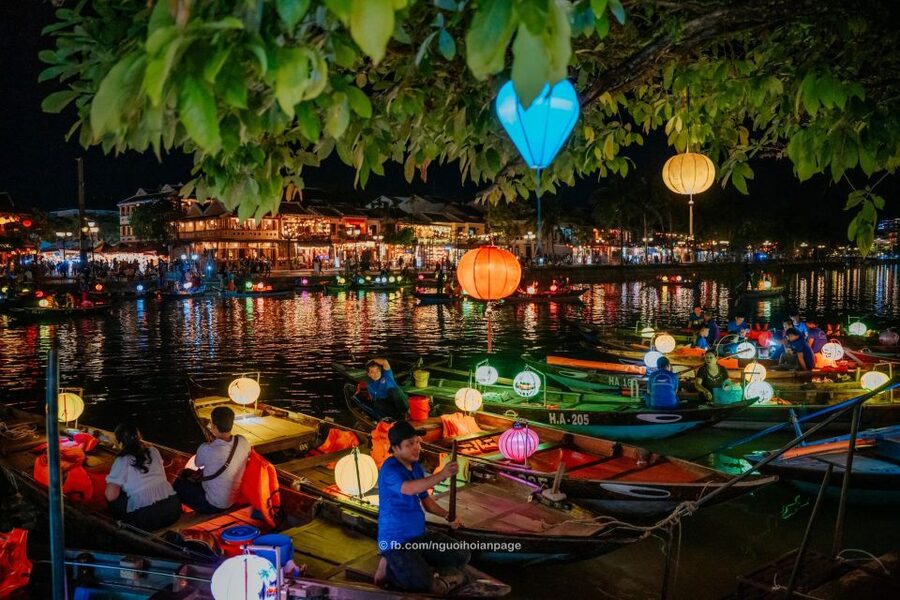
Hoi An can seem simple at first: yellow walls, tiled roofs, lanterns, and a riverfront. The older town is much more interesting when you know why it looks this way. From the 15th to the 19th century, Hoi An worked as a major Southeast Asian trading port. Chinese, Japanese, and later European influences met here, and the town’s streets still show that mix.
I like this tour for a first day because it gives you a basic map in your head. You move through the old town instead of seeing one isolated attraction, and the guide connects the buildings with the people who used them. That matters in Hoi An, where an ancient house can look decorative until you understand its role in trade, family life, and religion.
The tour also helps you decide how to spend the rest of your time. After three hours, you will know which lanes and attractions deserve a slower return visit. You will also have tried two foods that are easy to miss if you spend the day taking photographs and following the main streets.
More banh mi and rice paper classes in Hoi An:
- Hoi An: My Son Sanctuary & Sunset River Cruise BBQ or Banhmi
★ 4.7 · 345 reviews - MY SON Unesco Site & Fresh Rice Noodle “PHỞ” Making Experience
★ 5.0 · 220 reviews - Hoi An: My Son Early Morning with Banh My and Coffee 6 am
★ 4.7 · 205 reviews
Walking through the old trading port
The core of the experience is a leisurely walk around Hoi An’s old town. You are not being driven from one sight to another, so comfortable shoes matter. The walk is designed as an overview, not as a full study of every building.
Hoi An’s narrow streets make walking the right choice. You can see how traditional houses sit close to the road and how the old center has kept much of its historic shape. The town is known for an unusually well-preserved trading-port setting, and the value of the walk comes from seeing the buildings together rather than as separate museum pieces.
I would set realistic expectations. A three-hour route cannot give every attraction a long visit. If you want extensive time inside each house, museum, or assembly hall, you may need to return later on your own. The strength here is range: you get a broad introduction to several parts of Hoi An in one outing.
The Japanese Covered Bridge

The Japanese Covered Bridge is the natural star of the walk. It is an iconic Hoi An landmark and one of the clearest reminders that the town was shaped by foreign trading communities as well as local traditions.
Your guide can place the bridge within the wider story of Hoi An’s Chinese and Japanese connections. That context makes the stop more useful than a quick photograph. You see a recognizable symbol, then begin to understand why Hoi An developed such a distinctive architectural character.
Since the bridge is one of the town’s most important sights, this stop may feel familiar from photographs. The benefit of having a guide is that you can connect the image with the history of the surrounding streets. The limitation is that the tour description does not promise a long, detailed lecture here, so expect an overview rather than a specialist architectural lesson.
Chinese Assembly Halls and ancient houses
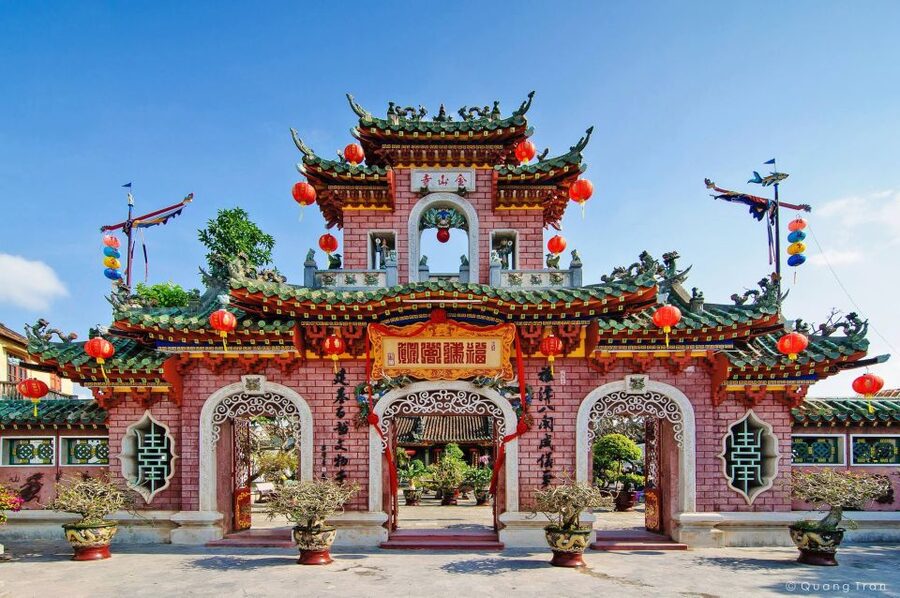
The Chinese Assembly Halls add another layer to the town’s story. They reflect the presence of Chinese communities and the role of shared cultural and social spaces in a busy port. Their inclusion helps you see that Hoi An was not simply an old Vietnamese town preserved for sightseeing.
The ancient houses offer a closer look at domestic architecture. You can consider how traditional homes were arranged and how daily life once took place behind the narrow street fronts. The route is especially useful if you enjoy small museums and historic interiors more than grand monuments.
One piece of practical advice: let the guide set the pace, but do not expect every interior to receive equal attention. The experience includes several cultural stops, so some visits will be brief. A guest from Denmark described the guide as kind and informative and found the small museums a good fit, while finding the overall outing less engaging for a lively city tour. That is a fair warning for anyone who prefers entertainment over heritage details.
More coffee making classes in Hoi An:
- Hoi An: Vietnamese Coffee Culture and Coffee Making Class
★ 4.9 · 4,006 reviews - Early Morning My Son Sanctuary Trip w. Champa Food & Coffee
★ 5.0 · 629 reviews - Vietnamese Culture and Coffee Making Class
★ 5.0 · 497 reviews - Hoi An: Vietnamese Coffee Making Workshop at Local Roastery
★ 4.8 · 174 reviews
Hoi An Museum and the handicraft workshop
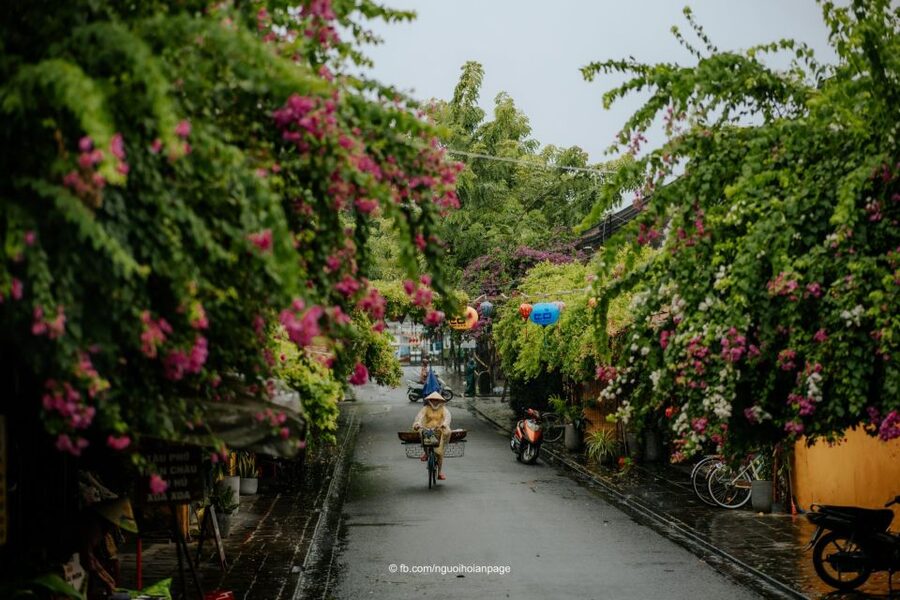
The Hoi An Museum gives the walk a more formal historical stop. Along with the old houses and assembly halls, it helps explain how the town’s trading-port identity developed and why its architecture has survived in such a complete form.
The handicraft workshop brings the focus back to making and local skill. Rather than only looking at old walls, you get a chance to see a living cultural practice included in the route. The supplied details do not specify the exact craft or the length of the demonstration, so I would treat it as an introduction, not a full workshop class.
These two stops are likely to appeal most to you if you enjoy museums, traditional objects, and built heritage. If your ideal walking tour is packed with comic stories, personal anecdotes, and constant movement, the pace may feel restrained. The guide’s style is informative and pleasant, but not necessarily theatrical.
A stop at Hoi An Central Market
The market shifts the mood from historic buildings to present-day commerce. Hoi An’s past as a trading port is easier to picture when you move through a working market, where food and daily purchases matter more than preserved architecture.
This is also a useful place to observe how the old town functions beyond its famous sights. The tour description does not promise a cooking class or a market tasting beyond the included banh mi, so do not expect a full food tour. Instead, think of the market as one part of a wider city introduction.
I like having the market on the same route as the museum and ancient houses. It keeps the walk from becoming a sequence of historic interiors. You see Hoi An as both a preserved old town and a place where ordinary life continues.
Vietnamese coffee culture in one secret stop
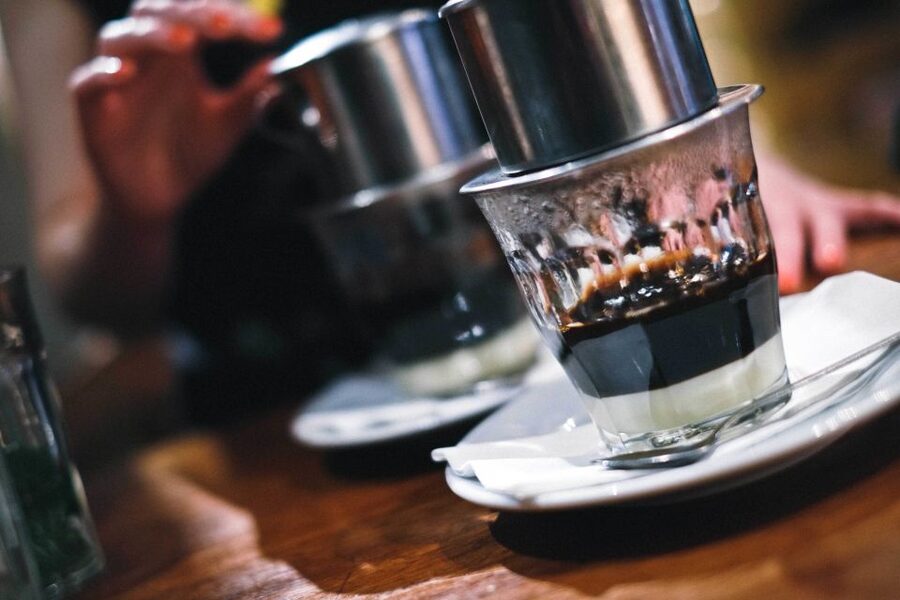
The coffee stop is one of the tour’s more appealing details. Vietnamese coffee culture is a major part of everyday life, and a dedicated stop gives you more than another landmark photograph. You get a small pause in the walk and a chance to understand how coffee fits into local routines.
The exact café and coffee style are not specified, so you should not book this expecting a named specialty drink or a formal coffee lesson. The experience is described as a secret coffee stop, which suggests a local-style pause rather than a fixed educational presentation.
For me, this is a strong part of the tour because it breaks up the sightseeing. Three hours of walking through museums and old houses can feel repetitive. A drink gives you time to reset while still learning about an important part of Vietnamese food culture.
Trying Hoi An’s banh mi
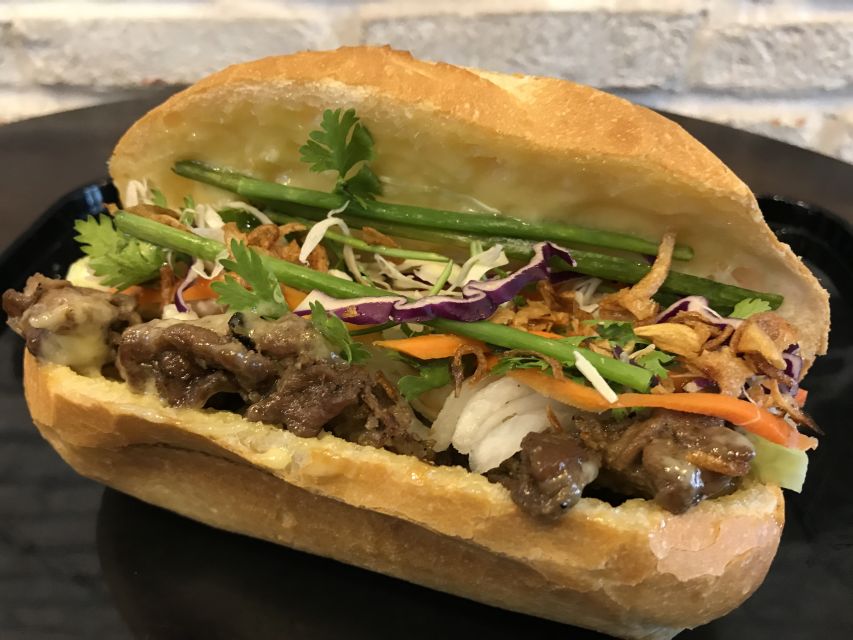
The included banh mi is the tour’s other clear food highlight. Banh mi is practical street food: a crisp bread roll filled with savory ingredients, herbs, and sauces. The exact fillings are not provided, so you should ask the guide about the ingredients if you have dietary restrictions or strong preferences.
The tour presents this as the best banh mi in town. I would read that as an invitation to try a recommended local sandwich, not as a guarantee that every person will agree on the single best shop. Taste is personal, and the tour data does not name the vendor.
Still, including banh mi makes the $16 price easier to assess. You are paying for a guided introduction to the city, then receiving food and coffee rather than having to buy them separately. The food is not the whole point, but it adds a useful local touch to a heritage walk.
What the $16 price really covers
At $16 per person, this is a reasonably priced orientation tour if you want a guide and plan to visit several key areas in one morning or afternoon. The price includes an English-speaking guide, bottled water, banh mi, and coffee.
The important extra cost is the entrance fee: 120,000 Vietnamese dong per person. That charge is not included, so add it to your budget before booking. You are also responsible for getting to the meeting point, since pickup and drop-off are not included.
I see the value mainly in the combination of coverage and convenience. You get a route through major old-town sights, some explanation of Hoi An’s cultural mix, and two local food experiences. If you only want a quick orientation and are happy to explore museums alone, you may prefer a self-guided walk. If you want help making sense of the town on your first day, the fee is easier to justify.
Who will enjoy this three-hour walk
I would recommend this experience to a first-time visitor who wants a clear introduction to Hoi An without committing to a full-day program. It also suits anyone who likes historic houses, small museums, traditional architecture, and food stops in the same outing.
The tour may work well for you if you want to get your bearings quickly. Afterward, you can return to the sights that caught your attention, spend more time at the market, or explore the old town at your own speed.
I would be more cautious if you want a high-energy tour filled with unusual stories and strong entertainment. The available feedback describes the guide as sweet and informative but suggests the tour can feel a little dull for someone seeking a lively city presentation. That is the key choice here: heritage overview or animated show.
The activity is listed as wheelchair accessible, and the walking format avoids the need for tour transport between stops. Still, the supplied details do not explain the exact street or building conditions, so you may want to confirm access needs before booking.
Timing, cancellation, and planning tips
The tour lasts three hours, with starting times available according to the date you select. Since there is no hotel pickup or drop-off, plan extra time to reach the meeting point and return afterward.
Bottled water is included, but I would still wear light clothing and comfortable shoes for the walk. Hoi An’s old center is best enjoyed at an easy pace, and the route includes several stops rather than one single attraction.
You can cancel up to 24 hours in advance for a full refund. The reserve-now, pay-later option also gives you some flexibility if your schedule in Central Vietnam is still changing.
Should you book the Hoi An city tour?
Book it if you want a short, affordable introduction to Hoi An’s old town, especially on your first day. The mix of the Japanese Covered Bridge, assembly halls, ancient houses, museum, market, handicraft workshop, banh mi, and coffee gives you a useful first picture of the city.
Skip it if you want a funny, fast-paced tour built around colorful storytelling. The guide should be informative and pleasant, but the experience may feel too quiet for that style of sightseeing.
My practical verdict: this is a good orientation walk for history-minded visitors who value coverage, food, and a live English guide. Add the 120,000 dong entrance fee to the $16 price, keep your expectations focused on an overview, and you will have a fair sense of what you are buying.
FAQ
How long does the Hoi An city tour last?
The tour lasts three hours.
What language is the tour conducted in?
The tour is conducted in English with a live English-speaking guide.
What landmarks are included?
The route includes the Japanese Covered Bridge, Chinese Assembly Halls, Hoi An Museum, ancient houses, a handicraft workshop, and Hoi An Central Market.
Are food and drinks included?
Yes. Banh mi, coffee, and bottled water are included.
Is the entrance fee included in the tour price?
No. The entrance fee is listed separately at 120,000 Vietnamese dong per person.
Does the tour include hotel pickup and drop-off?
No. Pickup and drop-off service are not included.
Is the tour wheelchair accessible?
Yes. The activity is listed as wheelchair accessible.
Can I cancel for a full refund?
Yes. You can cancel up to 24 hours in advance for a full refund.
Just added in Hoi An
- Vietnamese Cooking Class with Local Family in Hoi An★ 4.9 · 20 reviews
- Hoi An: Ylang Ylang Spa Experience (Free pick up for 2pax++)★ 4.5 · 17 reviews
- Hoi An Countryside Bicycle Tour : 25 Km Real Vietnam★ 5.0 · 12 reviews
- Vietnamese Coffee Making Class in Hoi An★ 5.0 · 4 reviews
- Vegetarian Cooking Class with Local Family in Hoi An★ 4.6 · 5 reviews
- Vegetarian Cooking Class W Optional Basket Boat from Hoi An★ 4.5 · 5 reviews
- My Son Sanctuary Private Tour – Early Morning or Half Day Tour★ 5.0 · 15 reviews
- Traditional Vietnamese Cooking Class in Leina Cookery★ 5.0 · 12 reviews
Hoi An Banh Mi and Rice Paper Classes, compared.

My Son Sanctuary & Sunset River Cruise BBQ or Banhmi
Read our review →
MY SON Unesco Site & Fresh Rice Noodle “PHỞ” Making Experience
Read our review →
My Son Early Morning with Banh My and Coffee 6 am
Read our review →
My Son Sanctuary Early Morning Tour 6 am w Banh my and Coffee
Read our review →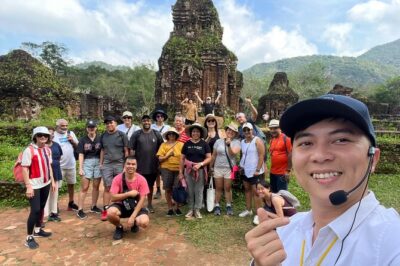

My Son Sunset Trip with Banh Mi and Cruise from Hoi An/ Da Nang
Read our review →
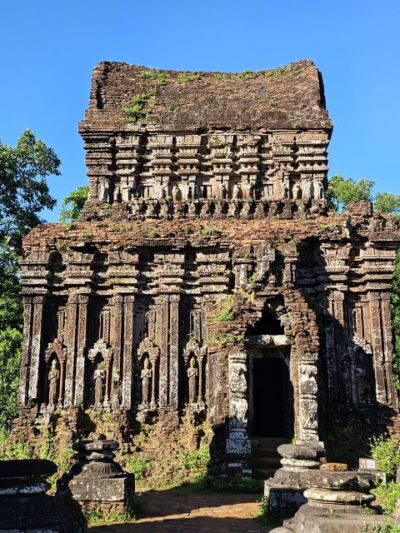
My Son Sanctuary Morning/Afternoon with Boat Trip and Banhmi
Read our review →Browse the lists this tour appears in