
Reviewed · HOI AN SILK AND TAILORING EXPERIENCES
Discover Traditional Silk Process in Hoi An Silk Village
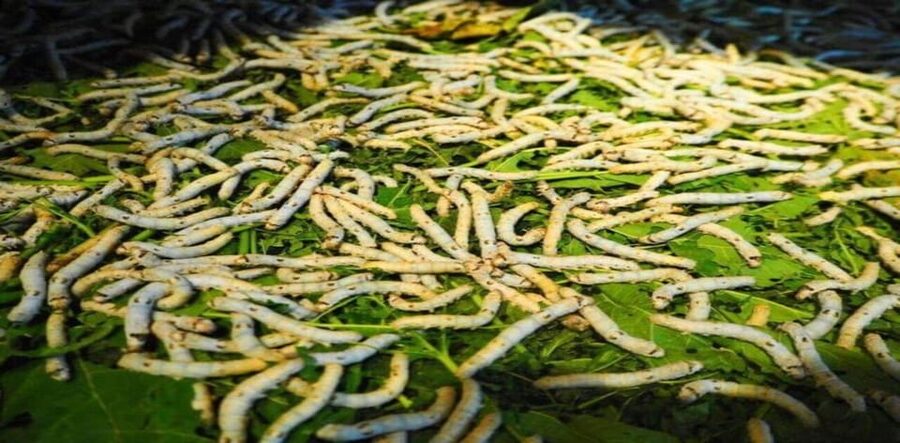
The most revealing moment here is the cocoon unraveling. You see how several fine strands are drawn together to create silk thread, and you also learn the hard fact behind the fabric: the silkworm dies during traditional silk extraction. It is a small, direct lesson in how a luxury cloth begins.
I like this visit for two reasons. First, it connects the finished shirt or scarf to the mulberry garden, feeding house, cocoon, spinner, and loom. Second, the tour is short and focused, making it easy to fit into a Hoi An day. The main drawback is the shop: the selection of prints may feel limited or overly busy, so do not assume the buying portion will be as strong as the craft demonstration.
Key points at a glance
- Cocoon to thread: Watch silk fibers being removed and prepared for weaving.
- Mulberry and silkworm care: See the plants and breeding house that support the silk cycle.
- Champa textile traditions: Learn how local weaving connects to Champa and Dai Viet craft.
- Small time commitment: The full visit lasts about 50 minutes, useful when your Hoi An schedule is tight.
- English guidance: Guides such as Thu and Tsu explain the work clearly and can answer questions.
- Shopping with a lesson: Compare pure and imitation silk before deciding what, if anything, to buy.
Why this short visit belongs in a Hoi An day
Hoi An is known for old streets, tailoring, and colorful cloth shops, but it is easy to see silk only as a finished product. This visit takes you behind the fabric. You follow the material through several stages, from the mulberry plant to the loom and then to the shop shelf.
At $11 per person, the value comes from seeing working methods rather than simply browsing silk products. You get an English-speaking guide, entrance, and a bottle of water. There is no meal and no hotel transport, but the modest price makes this a sensible add-on if you are already in Hoi An.
The visit lasts only 50 minutes. That is long enough to understand the basic process, but not long enough for a slow workshop or a full textile course. I would think of it as a compact cultural stop, not an all-day craft experience.
The setting also gives you a useful link to central Vietnam. The village preserves handmade weaving methods associated with the Champa and Dai Viet eras, and it presents the story of mulberry growing in Quang Nam. You are not just looking at imported fabric or a generic souvenir display. You are being shown a local production chain.
More silk and tailoring visits in Hoi An:
- Hoi An Hidden Gem- Local Food- Lantern Making- Tailoring
★ 5.0 · 16 reviews - Hoi An: Silk Process, Lantern Making Workshop & Local Food
★ 4.6 · 7 reviews - Private Traditional Silk Process in Hoi An Silk Village
★ 4.5 · 7 reviews
Starting with mulberry trees and Quang Nam craft
The visit begins with a welcome drink before moving into a traditional house connected with Quang Nam sericulture. Here, the focus is on the older craft system: growing mulberry trees, raising silkworms, and turning their cocoons into thread.
The mulberry garden matters because the leaves feed the silkworms. Seeing the plants first helps you understand that silk production begins as agriculture. The process depends on a steady supply of leaves before anyone can spin, dye, or weave a single strand.
You then visit the silkworm-breeding house. The guide explains how the worms are fed and cared for, and how the breeding cycle supports silk production. This is one of the most useful stops for families and anyone who likes to understand how a traditional industry works from the ground up.
Do not expect a large farm or a long nature walk. The visit is designed to show the essential stages in a limited time. The emphasis is on explanation and close observation, not on covering a huge area.
This section can also raise an ethical question. Traditional silk extraction kills the silkworm inside the cocoon. That fact is explained during the visit, and you can decide how you feel about buying silk after seeing the process directly. I appreciate that the subject is not hidden behind polished shop displays.
The cocoon becomes silk thread
The unraveling house is likely to be the most memorable part of the tour. Here, you learn how silk thread is drawn from the cocoon. The delicate fibers are gathered and prepared so they can later be woven into fabric.
This is where silk stops being an abstract luxury label. A cocoon looks small and fragile, yet it provides the long filament needed to make a smooth thread. The guide shows how the material is handled and explains the steps between cocoon and cloth.
The process is practical rather than theatrical. You are watching a traditional method, not a staged fashion presentation. Room space can be limited, especially when several people are gathered around the work, so keep your bag small and be ready to stand close to the demonstration.
The short length of the tour works well here. You receive enough information to understand the basic method without getting buried in technical terms. If you have detailed questions about thread counts, dye formulas, or loom construction, ask early and make use of the guide’s time.
The English explanations are an important part of the experience. Guides Thu and Tsu have been praised for clear communication and patience with questions. On a quiet day, you might even find yourself in a very small group or receiving especially direct attention.
Watching the looms at the traditional weaving house
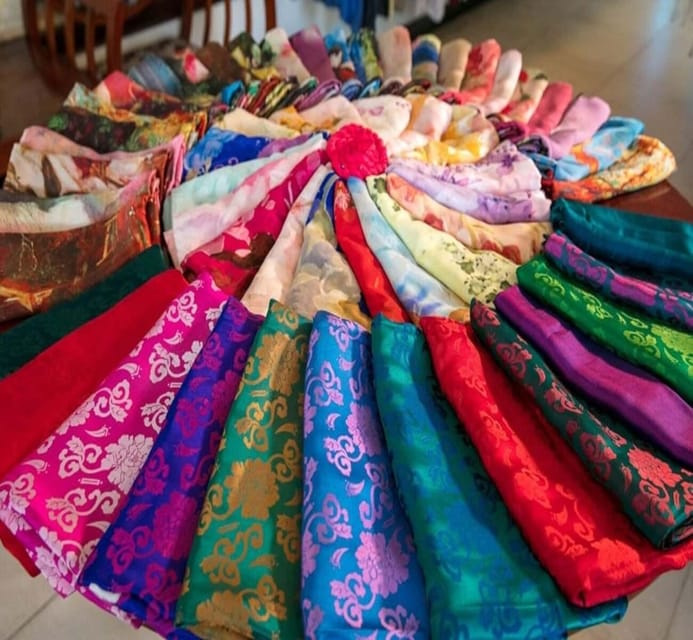
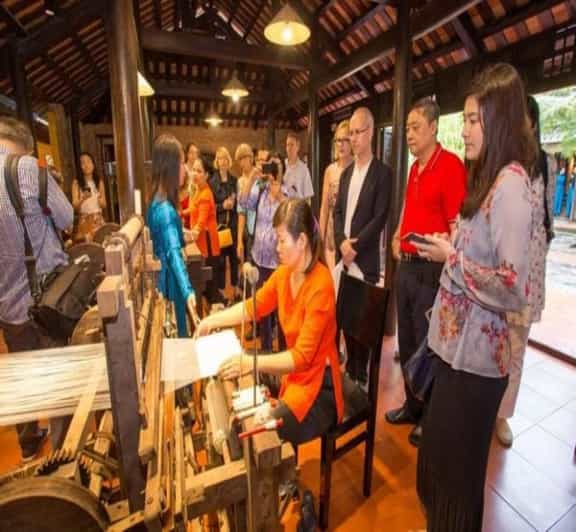
After the thread is prepared, the route moves to Vietnamese silk weaving. You can watch workers turn thread into fabric on traditional looms and see the repeated hand movements that give the cloth its structure.
This is a good point to slow down. The process may look simple at first, but the finished material depends on precision, rhythm, and many repeated actions. The demonstration helps explain why handmade silk costs more than a mass-produced synthetic fabric.
The weaving house also introduces Champa handicrafts and traditional textiles. That connection gives the visit more substance than a basic factory tour. You see how clothing and cloth carry regional identity, not just practical use.
The craft section is especially helpful if you plan to visit a tailor or shop in Hoi An afterward. Once you have seen thread and weaving up close, you can ask better questions about fabric quality. You may also look differently at a silk shirt, scarf, or dress that seems expensive at first glance.
Still, keep your expectations measured. The 50-minute format allows for a demonstration and explanation, but not a long hands-on weaving lesson. You will observe the work rather than produce a finished item yourself.
A completely different side of Hoi An:
- Hoi An: Basket Boat Ride in the Coconut Forest
★ 4.9 · 4,956 reviews - Hoi An: Vietnamese Coffee Culture and Coffee Making Class
★ 4.9 · 4,006 reviews - Hoi An: Vietnamese Foldable Lantern Making Class
★ 4.9 · 3,742 reviews - Cooking Class Hoi An:Local Market, Basket Boat, Fishing & Cooking
★ 5.0 · 3,660 reviews
Pure silk, imitation fabric, and the final exhibition
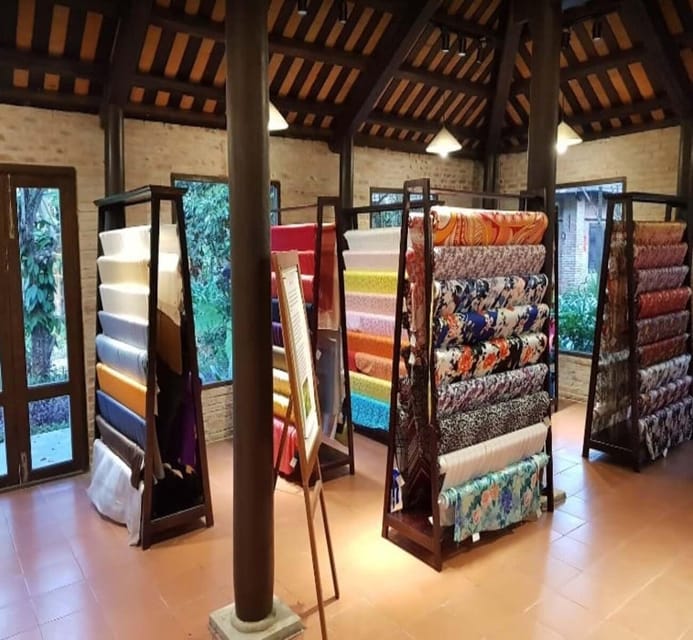
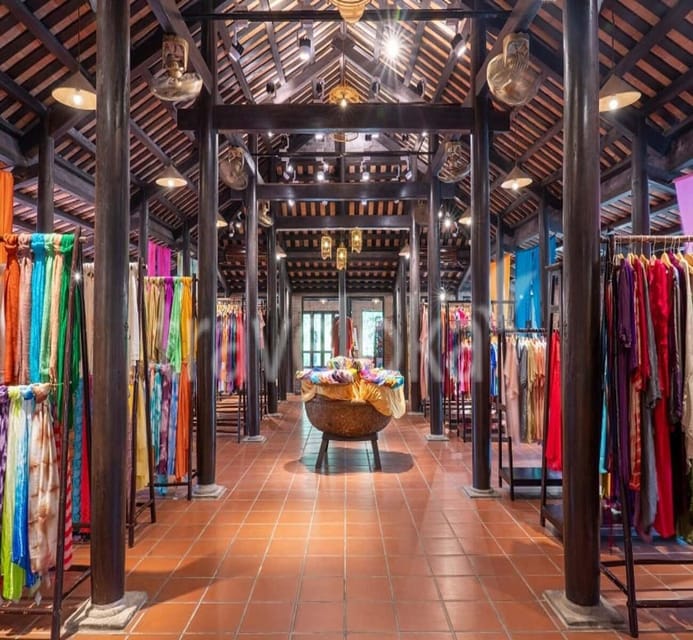
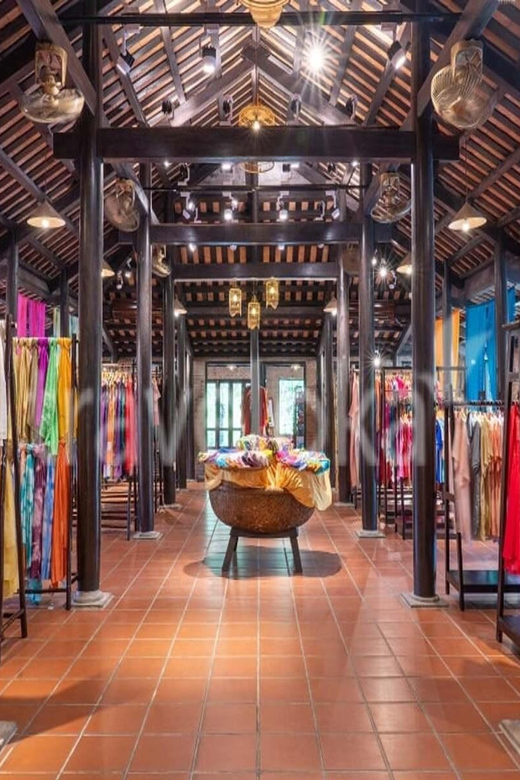
The final stop is the Hoi An Silk Village exhibition and shop. This is where you learn to compare pure silk with imitation fabrics. That information is useful because silk shops can look similar at a glance, while prices and quality vary.
The guide can explain what to look for, but you should still take your time before buying. The range of silk products includes items for shopping and tailoring, yet the print selection may not suit everyone. Some designs are colorful and busy, while the number of choices can feel smaller than expected.
I would separate the educational value from the shopping value. The explanation of fabric differences is useful even if you buy nothing. The shop may work well if you want a silk shirt or a traditional gift, but it is not a reason by itself to book the tour.
One visitor changed plans and bought a silk shirt after seeing the process, while another found the fabric quality excellent but the available prints less appealing. That is a fair picture of the experience. The products can be worthwhile, but your taste will decide how much value you find in the final display.
If you want tailored clothing, this visit can help you make a more informed choice later. You will have a better sense of how pure silk feels and why it differs from imitation cloth. You also avoid making a purchase based only on a label or a glossy display.
How the timing and meeting point affect your plan
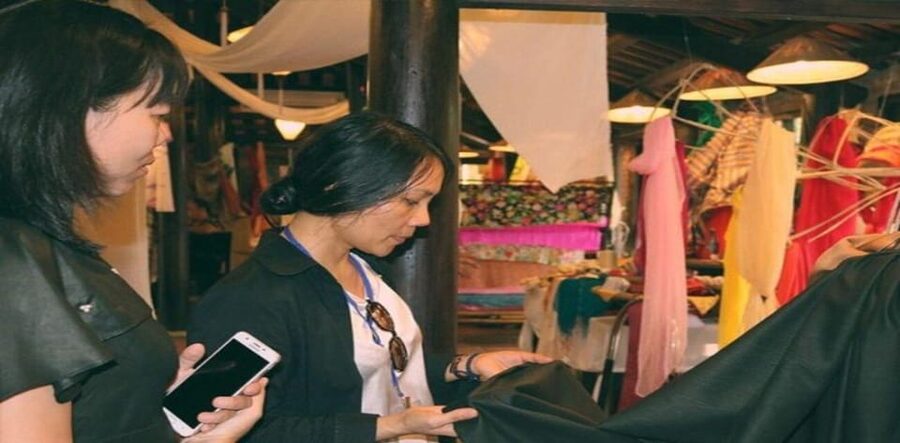
You meet at 28 Nguyen Tat Thanh in Hoi An and should give your name at reception as booking confirmation. Hotel pickup and drop-off are not included, so you need to arrange your own way there.
Because the tour takes less than an hour, it fits neatly before lunch, after a morning walk through the old town, or alongside other Hoi An activities. Check the available start times when booking. One reported delay came from a group of schoolchildren arriving at the site, but staff kept people informed and apologized.
That example points to a practical reality: this is a working cultural site, not a completely controlled museum visit. School groups or other visitors can affect the pace. A small group is more comfortable inside the weaving and breeding buildings, where space may be tight.
Wear comfortable clothes and shoes. Large bags and luggage are not allowed, so leave bulky items at your accommodation. The site is not suitable for wheelchair users or people with mobility impairments, another reason to consider the physical demands before booking.
The reservation terms are friendly to changing plans. You can cancel up to 24 hours ahead for a full refund, and you can reserve now and pay later. Those options are useful if your Hoi An schedule depends on weather, transport, or changing day plans.
Who will get the most from this silk village visit
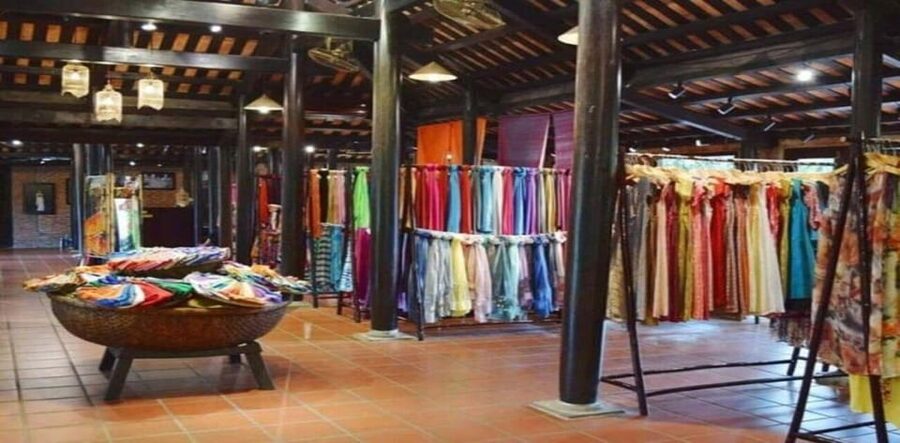
I would recommend this for anyone curious about how ordinary objects are made. A silk scarf is easy to admire in a shop, but the visit gives you the agricultural and human work behind it.
It is also a good choice for:
- First-time visitors to Hoi An: You gain useful context for the city’s tailoring and textile shops.
- Families with older children: The silkworm, cocoon, and loom stages give children a clear sequence to follow.
- Shoppers who want to buy silk: You learn how pure and imitation materials differ before spending money.
- Craft and textile enthusiasts: The Champa traditions and hand-weaving methods add cultural depth.
- People with a tight schedule: Fifty minutes is enough for a worthwhile introduction without taking over your day.
I would be more cautious if you want a long, hands-on workshop, a large museum collection, or a broad range of modern prints. The visit is an introduction, and the shop selection may not match every taste.
The subject may also be difficult if you object to silk production because the traditional method kills the silkworm. The tour does not hide that part of the process. For some people, that honesty adds value. For others, it may make silk products less appealing.
Getting the best value from $11
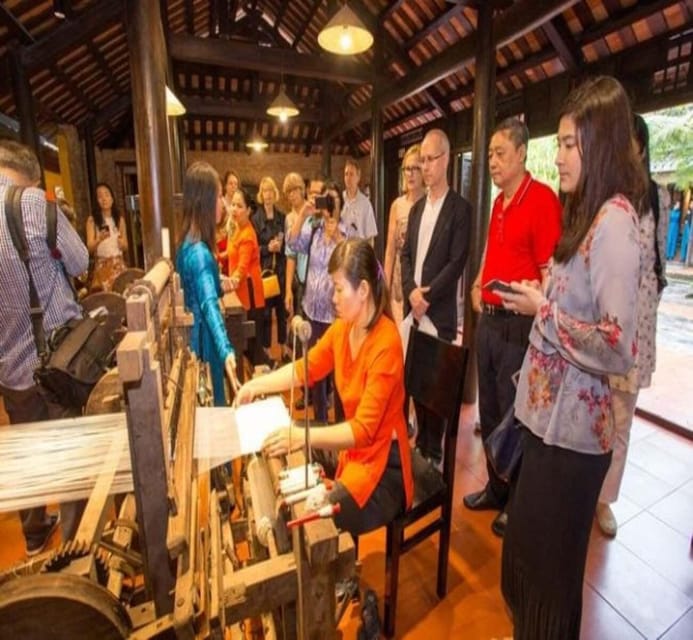
At $11, you are paying less for a product and more for access, interpretation, and a clear look at the making process. The entrance fee, English-speaking guide, and water are included. For a short cultural activity in Hoi An, that is a reasonable price.
The strongest value comes when you use the information afterward. Look closely at fabric in other shops, ask whether it is pure silk, and compare the feel and finish before buying. The tour can save you from treating every smooth or shiny fabric as the same thing.
The price is less compelling if you only want to browse clothing. You can find shops throughout Hoi An without booking a guided visit. Book this when you want the story behind the fabric, then treat shopping as an optional extra.
The small-group feel can improve the value. Limited room inside the buildings means a crowded group would make the demonstrations harder to see. On a quieter departure, you might receive more personal attention, as happened for one participant who ended up with an almost private English-language tour.
Should you book the Hoi An Silk Village visit?
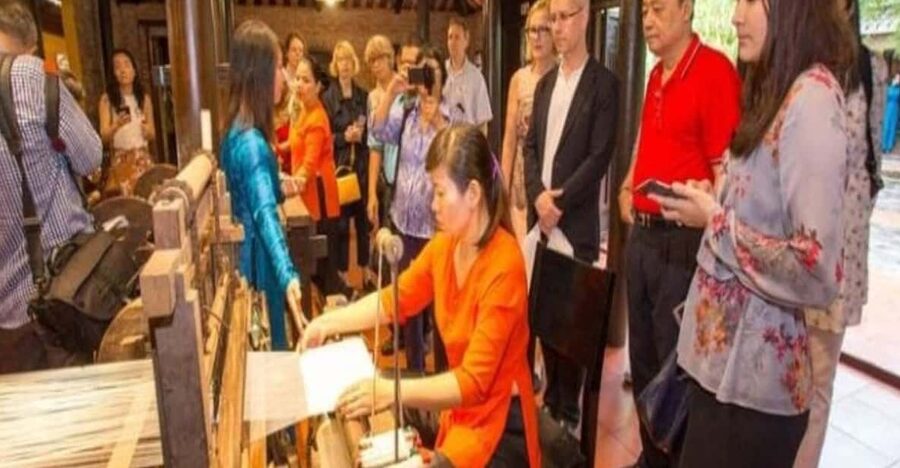
Book it if you want a short, affordable explanation of how Vietnamese silk moves from mulberry leaves to finished cloth. The cocoon extraction, traditional looms, Champa textile connection, and pure-versus-imitation discussion give the visit more substance than a simple shop stop.
I especially recommend it before shopping for silk in Hoi An. You will understand what you are looking at, and you can decide for yourself if a shirt, scarf, or fabric is worth the price.
Skip it if you need wheelchair access, dislike standing in compact work areas, or want a long practical weaving class. Also keep the final shop in perspective: the craft lesson is the main attraction, while the prints and product range may be less impressive to some shoppers.
For most visitors with 50 minutes to spare, this is a sensible cultural stop. Guides such as Thu and Tsu add clear English explanations, and the modest cost makes the decision easy. Just bring comfortable shoes, leave the large bag behind, and arrive ready to watch the real work before you admire the finished silk.
FAQ
How long does the Hoi An Silk Village visit last?
The activity lasts 50 minutes. It covers the traditional house, mulberry garden, silkworm-breeding house, cocoon unraveling, weaving house, and final silk exhibition.
What is included in the price?
The $11 price includes an English-speaking guide, the entrance fee, and a bottle of water.
Is hotel pickup included?
No. Hotel pickup and drop-off are not included. You meet at 28 Nguyen Tat Thanh, Hoi An, Quang Nam, Vietnam, and should give your name at reception.
Can I buy silk at the village?
Yes. The final exhibition includes silk products for shopping and tailoring needs. You can also learn how pure silk differs from imitation fabric before deciding what to buy.
What should I bring?
Wear comfortable shoes and comfortable clothes. Large bags and luggage are not allowed.
Is the visit suitable for wheelchair users?
No. The activity is not suitable for wheelchair users or people with mobility impairments.
Just added in Hoi An
- Hoi An: Ylang Ylang Spa Experience (Free pick up for 2pax++)★ 4.5 · 17 reviews
- Vietnamese Cooking Class with Local Family in Hoi An★ 4.9 · 20 reviews
- Hoi An Countryside Bicycle Tour : 25 Km Real Vietnam★ 5.0 · 12 reviews
- Vietnamese Coffee Making Class in Hoi An★ 5.0 · 4 reviews
- Vegetarian Cooking Class with Local Family in Hoi An★ 4.6 · 5 reviews
- Vegetarian Cooking Class W Optional Basket Boat from Hoi An★ 4.5 · 5 reviews
- My Son Sanctuary Private Tour – Early Morning or Half Day Tour★ 5.0 · 15 reviews
- Traditional Vietnamese Cooking Class in Leina Cookery★ 5.0 · 12 reviews
Hoi An Silk and Tailoring Experiences, compared.

Hoi An Hidden Gem- Local Food- Lantern Making- Tailoring
Read our review →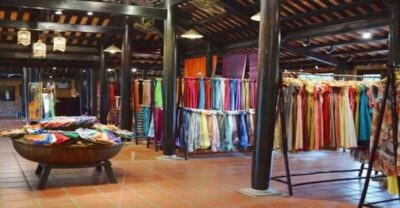
Silk Process, Lantern Making Workshop & Local Food
Read our review →
Private Traditional Silk Process in Hoi An Silk Village
Read our review →
Hoi An City tour -Lantern Making and Silk Making process
Read our review →

Hidden Gem of Hoi An Old Town-Local Food-Lantern Making-Tailoring
Read our review →
Hoi An Foldable Bamboo Silk Lantern and Evening Street Food Tour
Read our review →Browse the lists this tour appears in