
Reviewed · HOI AN SILK AND TAILORING EXPERIENCES
Private Traditional Silk Process in Hoi An Silk Village
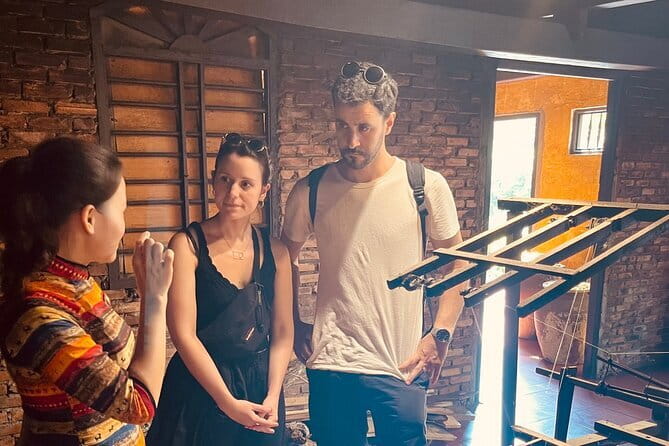
Hoi An Silk Village turns silk from a finished souvenir into a step-by-step craft. In about 45 minutes, you can see mulberry gardens, silkworms, cocoons, and hand weaving, then learn how to tell pure silk from imitation fabric. I like the clear path from leaf to garment, and I like that the tour includes both Vietnamese and Champa textile traditions.
The $10 price is easy to justify if you want a compact cultural stop near central Hoi An. I also like that entrance, an English-speaking guide, a welcome drink, and bottled water are covered. The trade-off is scale: parts of the visit take place in a few small rooms, and the final exhibition may feel more like a shop than a museum.
Ask if guide Luni is available when you book. The tour is private for your group, but one account describes another couple joining part of the visit, so do not expect a perfectly sealed-off experience at every moment.
Key points at a glance
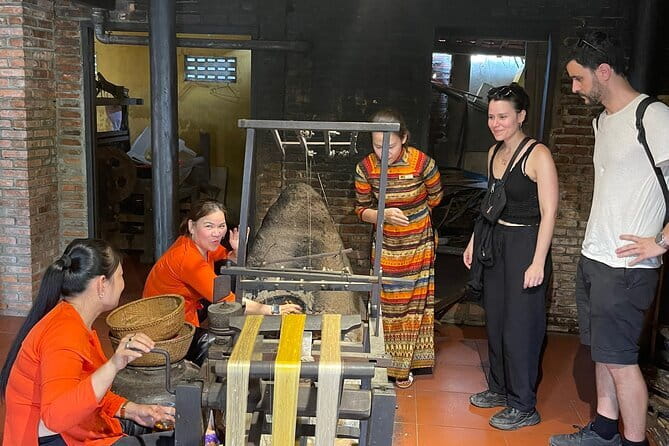
- See silk from leaf to fabric: Follow the work from mulberry cultivation and silkworm feeding to cocoon unraveling and weaving.
- Visit a traditional Quang Nam house: Begin with a welcome drink and a local explanation of sericulture.
- Learn about Champa textile work: The weaving stop connects Hoi An silk to older regional craft traditions.
- Use the exhibition as a buying lesson: Compare pure and imitation silk before shopping or arranging tailoring.
- Plan around a short visit: The activity lasts about 45 minutes and begins and ends at Hoi An Silk Village.
- Know the main limitation: The setting is small, with several rooms close together and a possible sales focus at the end.
Starting at 28 Nguyen Tat Thanh
The meeting point is Hoi An Silk Village at 28 Nguyen Tat Thanh in Tan An, Hoi An. You arrange your own way there because hotel pickup and drop-off are not included. That makes this easiest for anyone already exploring Hoi An independently or staying close enough to reach the village without a transfer.
The tour begins with a welcome drink. It is a small touch, but it gives your guide a natural moment to explain what you will see and why silk matters in central Vietnam. Since the full visit is only 45 minutes, arriving on time matters. A late start leaves less room for questions.
This is a private activity, so your own group is scheduled to participate. That should give you more freedom to ask about the worms, fabric, or prices than you would have in a large group. Still, the physical site is compact. Private booking does not mean you will have every room entirely to yourself, and one account describes a walk-in couple joining part of the visit.
The activity finishes back at the same meeting point. There is no transport segment to account for, which keeps the experience simple and makes it possible to fit around a morning in the Old Town or another Hoi An excursion.
More silk and tailoring visits in Hoi An:
- Discover Traditional Silk Process in Hoi An Silk Village
★ 4.4 · 60 reviews - Hoi An Hidden Gem- Local Food- Lantern Making- Tailoring
★ 5.0 · 16 reviews - Hoi An: Silk Process, Lantern Making Workshop & Local Food
★ 4.6 · 7 reviews
A Quang Nam house and the story of sericulture
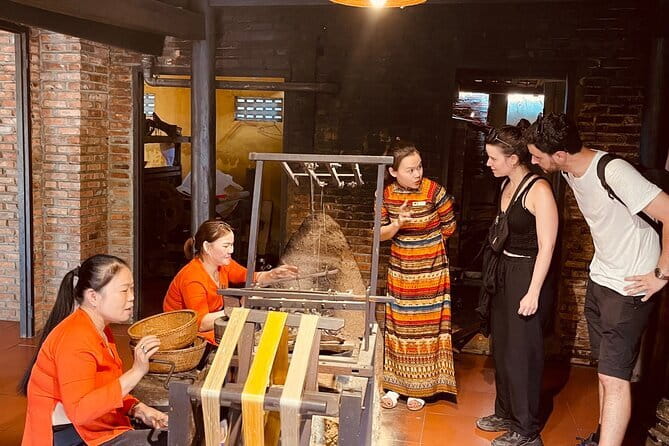
The first substantial stop is a traditional house from Quang Nam. Here, your guide introduces the local craft of sericulture, the raising of silkworms for silk production. This part gives useful context before you see the practical work.
The value is in seeing silk as a chain of linked tasks rather than a single old-fashioned technique. Mulberry trees feed the worms. The worms produce cocoons. The cocoons provide the thread. The thread becomes woven cloth, which can later become clothing or other products.
I would pay close attention to the guide’s explanation here, especially if you are considering buying silk later in your trip. A shop label tells you what a seller wants you to know. Seeing the production stages first gives you a better basis for asking sensible questions about the fabric.
The setting may not feel like a grand heritage museum. The attraction is the working process and the explanation, not polished displays or a long historical presentation. If you want a formal museum visit with extensive written panels, this may feel light. If you prefer a short demonstration with real craft elements, it fits well.
Mulberry gardens and the silkworm house
Next, you visit the ancient mulberry gardens and the silkworm breeding house. The guide explains how the worms are fed, linking the plant outside to the animal inside.
This is one of the most useful parts for families and for anyone who has only encountered silk as a smooth scarf or shirt. You get to connect a familiar material with the living stages that produce it. The process becomes less abstract when you see the food source and breeding area together.
The village is also described as preserving valuable mulberry genetic sources. That detail matters because the visit is not only about selling finished cloth. It presents the mulberry plant and silkworm raising as part of a local craft system that has been maintained over time.
Expect a close, modest setting rather than a large agricultural site. The available information does not promise a long walk through extensive gardens or a full farm visit. You might see the gardens and breeding house as part of a quick sequence, then move on to the thread-making demonstration.
For this reason, I would treat the stop as an introduction rather than a complete lesson in silk farming. The short schedule keeps things moving, but it also limits how long you can watch the animals or ask detailed questions about breeding.
From cocoon to silk thread
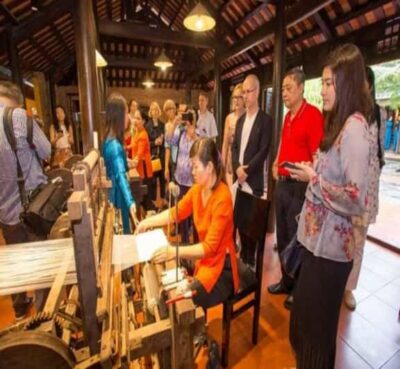
At the unraveling house, you learn how silk thread is taken from the cocoon. This is the point where the source material begins to look like the fabric you recognize.
The work shows why handmade silk requires patience and skill. A cocoon is not a finished thread waiting to be pulled like string from a spool. The unraveling stage prepares the material for weaving, and small differences in handling affect the final cloth.
I would use this stop to ask direct questions about what you are seeing. How is pure silk identified? What makes a particular fabric smoother or heavier? Which products are made locally? The guide is there to explain the process, and a private format gives you a reasonable chance to shape the conversation.
One negative account describes workers weaving on demand in small rooms and found the presentation disappointing. That is a fair warning about expectations. You may see demonstrations arranged for visitors rather than a large production floor operating at full speed. The value lies in seeing the method and understanding it, not in watching a busy factory.
More private tours in Hoi An:
- Hai Van Pass Motorbike Private Tour with Mister T Easy Rider
★ 5.0 · 742 reviews - HOI AN Hidden Gems in Rural Villages & River Islands PRIVATE TOUR
★ 5.0 · 494 reviews - My Son Sanctuary Half-Day Private Guided Tour- Early Tour
★ 5.0 · 222 reviews - Private Hoi An Rosara Spa with Free Pick up or Drop off
★ 5.0 · 188 reviews
Champa textiles and Vietnamese weaving

The traditional silk weaving house brings in the work of the Champa people and the handmade textiles associated with the Champa and Dai Viet eras. This adds cultural depth to what could otherwise be a basic production demonstration.
The stop is especially useful if you want to understand that central Vietnamese textiles are not all the same. Weaving methods, patterns, and cultural meaning can change between communities. The visit gives you a short look at those distinctions without requiring a full-day cultural program.
The phrase traditional weaving can mean many things in a tourist setting, so I would keep your expectations practical. You are being shown the craft and its background during a compact tour. You are not signing up for a lengthy workshop or an extended textile course.
The demonstration may also feel personal because the space is small. That can help you see the tools and hand movements closely. It can also make the room feel crowded if other people are present. Your private booking helps with conversation, but it cannot change the size of the building.
The exhibition and the question of pure silk
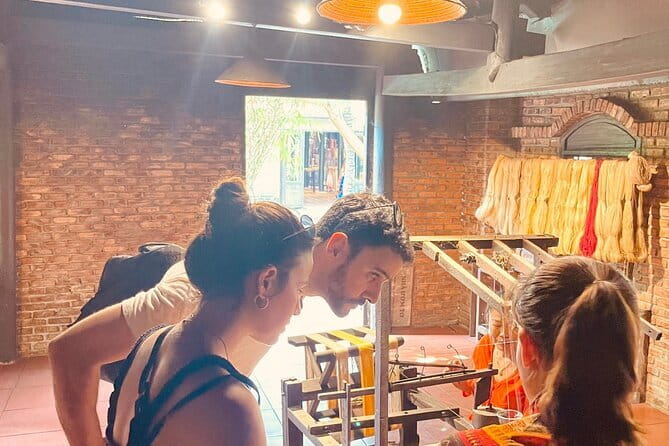
The final stop is the Hoi An Silk Village exhibition. Here, the focus shifts from production to products. You learn how pure silk differs from fake silk fabric and see a range of items available for purchase or tailoring.
This is where the $10 admission can become more valuable than a quick sightseeing stop. Silk shopping in Hoi An is easier when you know what questions to ask. You can look at the feel and weight of the fabric, compare labels, and ask the guide to explain the difference between genuine and imitation material.
The exhibition includes varied silk products for shopping and tailoring needs. That may suit you if you are looking for a scarf, garment, or fabric rather than only a cultural explanation. The selection also means the end of the visit has a commercial side. One account considered the experience a tourist trap, partly because of the small rooms and the workers demonstrating on request.
I would not treat the shopping portion as either a reason to avoid the tour or a promise of a bargain. Use it as a chance to inspect the material. You do not have to buy simply because the visit ends in a sales area. If you are interested in tailoring, compare quality and prices with other shops before committing.
A useful strategy is to take the tour early in your Hoi An stay, then shop later. That gives you time to remember what you learned and compare products without rushing into a purchase.
What the $10 price really buys

At $10 per person, the experience is priced as a short introduction, not a full-day private excursion. Your fee covers the entrance, an English-speaking guide, a welcome drink, and a bottle of water. For 45 minutes, that is a reasonable package if you are already in Hoi An and want a focused cultural activity.
The value depends on what you want. I would consider it good value for a first look at silk production, especially if you have never seen silkworm raising or cocoon unraveling. It is less convincing if you expect a large museum, a long guided walk, or a hands-on weaving class.
The private format improves the value because you can ask questions suited to your interests. A couple interested in buying fabric can focus on quality. A family can ask about the worms and mulberry leaves. Someone interested in regional culture can spend more time on Champa weaving.
The rating is 4.3 from seven reviews, which suggests a generally positive but not unanimous response. The gap between strong praise and sharp criticism is important. One account calls it a must-do silk tour and gives special credit to Luni, while another describes a small, sales-oriented setup. Both impressions can be true depending on your expectations and the guide on the day.
How to make the short format work
Because the visit lasts only 45 minutes, decide what you want to learn before you arrive. I would focus on three questions:
- How are the worms fed and raised?
- How is thread taken from the cocoon?
- How can I tell pure silk from imitation fabric?
Those questions match the main stops and help you use the limited time well. If you are buying, add questions about fabric composition, care, and tailoring options.
Keep in mind that the tour does not include transportation. You need to reach 28 Nguyen Tat Thanh yourself and return from there. That is not difficult to plan, but it matters if you are building a tightly timed day around Old Town visits, meals, or another booked activity.
The activity is suitable for most people, according to the available booking information. No special physical demands are listed. Still, the tour moves through small rooms, so anyone who dislikes compact indoor spaces should take that into account.
Confirmation is provided when you book, and free cancellation is available if you cancel at least 24 hours before the local start time. Cancellations within 24 hours are not refunded, and changes inside that period are not accepted. Keep the cutoff in mind if your Hoi An plans are still shifting.
Who should book this silk visit?
I would recommend it to you if you want a short cultural stop with a clear subject. It works well for first-time visitors who want more context before buying Vietnamese silk, families who like seeing how materials are made, and shoppers considering fabric or tailoring.
It also suits anyone who prefers a private guide to a large group. The English-speaking guide can explain the stages in a direct way, and you can ask about the details that interest you. If Luni is available, requesting that guide may be worthwhile because the name receives especially strong praise.
I would be more cautious if you want a quiet, museum-like experience. The village has a commercial exhibition, the demonstration rooms are small, and the craft may be performed for visitors rather than shown as a large-scale working operation. You should also skip it if you are expecting transportation from your hotel or a hands-on lesson.
Should you book Hoi An Silk Village?
Book this tour if you can accept its compact size and want a practical introduction to silk. The best reason to go is the complete sequence: mulberry gardens, silkworms, cocoons, thread, weaving, and fabric comparison, all in one short visit.
I would book it early in your Hoi An stay, especially if you may buy silk or arrange tailoring. Go in with questions, ask for Luni if possible, and treat the exhibition as a place to compare quality rather than a compulsory shopping stop.
Skip it if you want an expansive museum or a long craft workshop. At $10, it is a modestly priced introduction, and its value comes from focused information rather than scale.
FAQ
How long does the Hoi An Silk Village activity last?
The activity lasts approximately 45 minutes.
Where does the tour start and end?
It starts at Silk Village Hoi An, 28 Nguyen Tat Thanh, Tan An, Hoi An, Quang Nam, Vietnam. It ends back at the same meeting point.
Is transportation from my hotel included?
No. Hotel pickup and drop-off are not included, so you must arrange your own transportation to and from the meeting point.
What is included in the price?
The price includes an English-speaking guide, entrance to the silk village, a welcome drink, and a bottle of water.
Is this a private activity?
Yes. Only your group is scheduled to participate, although the small site may have other people present at times.
Can I cancel for a full refund?
Yes, if you cancel at least 24 hours before the experience start time. Cancellations or changes made within 24 hours are not refunded or accepted.
Just added in Hoi An
- Hoi An: Ylang Ylang Spa Experience (Free pick up for 2pax++)★ 4.5 · 17 reviews
- Vietnamese Cooking Class with Local Family in Hoi An★ 4.9 · 20 reviews
- Hoi An Countryside Bicycle Tour : 25 Km Real Vietnam★ 5.0 · 12 reviews
- Vietnamese Coffee Making Class in Hoi An★ 5.0 · 4 reviews
- Vegetarian Cooking Class with Local Family in Hoi An★ 4.6 · 5 reviews
- Vegetarian Cooking Class W Optional Basket Boat from Hoi An★ 4.5 · 5 reviews
- Tranquil Basket Boat Ride at Water Coconut Forest★ 4.8 · 5 reviews
- My Son Sanctuary Private Tour – Early Morning or Half Day Tour★ 5.0 · 15 reviews
Hoi An Silk and Tailoring Experiences, compared.
Discover Traditional Silk Process in Hoi An Silk Village
Read our review →
Hoi An Hidden Gem- Local Food- Lantern Making- Tailoring
Read our review →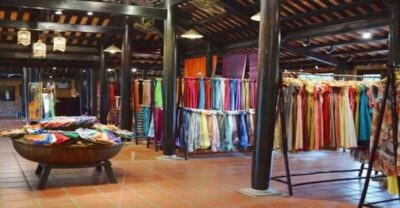
Silk Process, Lantern Making Workshop & Local Food
Read our review →
Hoi An City tour -Lantern Making and Silk Making process
Read our review →

Hidden Gem of Hoi An Old Town-Local Food-Lantern Making-Tailoring
Read our review →
Hoi An Foldable Bamboo Silk Lantern and Evening Street Food Tour
Read our review →Browse the lists this tour appears in