
Reviewed · HOI AN LANTERN MAKING CLASSES
Hoi An: Silk Process, Lantern Making Workshop & Local Food
Hoi An Silk Village lets you follow silk from mulberry leaf to finished cloth, then switch from watching to making. In 150 minutes, you visit gardens and workrooms, learn how cocoons are unraveled, try traditional weaving, and see how genuine silk differs from imitation fabric.
I like the hands-on finish: you make one lantern and take it home, and the included meal of Cao Lau, fried spring rolls, and fruit gives the afternoon a proper local flavor. I also like the setting, with old-style buildings, greenery, and working craft areas rather than a simple shop visit.
The main drawback is that the tour packs several stops into two and a half hours, so each part receives a quick introduction rather than a long workshop. English explanations are generally useful, though guide pronunciation can vary, so ask questions slowly if a detail is unclear.
Key points to know before you book
- Silk from cocoon to cloth: See mulberry cultivation, silkworm care, cocoon processing, thread making, and weaving.
- A real take-home project: Make one Hoi An lantern with the supplied materials and tools.
- A useful shopping lesson: Learn to tell pure silk from imitation fabric before looking at scarves or other products.
- Local food included: The meal features Cao Lau, deep-fried spring rolls, and fruit.
- Easy central meeting point: Meet at Hoi An Silk Village, 28 Nguyen Tat Thanh Street.
- Best for curious, mobile visitors: The activity is not suitable for wheelchair users or people with mobility impairments.
Starting at Hoi An Silk Village on Nguyen Tat Thanh Street
Your visit begins at Hoi An Silk Village, at 28 Nguyen Tat Thanh Street. Hotel pickup and drop-off are not included, so you need to arrange your own way to the meeting point. Check the start time when booking, since the activity lasts 150 minutes.
The first welcome drink is a small touch, but it helps set the pace. This is not a rushed ticket counter followed by a sales pitch. The tour moves through several parts of the silk-making process, with an English-speaking guide explaining what you are seeing as you go.
Guide Thu has earned special praise for her friendly manner and clear explanations. That matters here, since silk production involves unfamiliar tools and several steps that can look similar at first. If you have a question, ask it during each stage rather than waiting until the end.
The village itself is part of the appeal. You can expect traditional-style buildings, greenery, exhibition areas, and workspaces connected with silk production. It gives you more context than buying a scarf in a Hoi An shop, where the origin and quality of the material may be less clear.
More lantern making classes in Hoi An:
- Hoi An: Vietnamese Foldable Lantern Making Class
★ 4.9 · 3,742 reviews - Hoi An Full Lantern Making Class- A special Foldable lantern
★ 5.0 · 2,007 reviews - The Lantern Lady: Traditional Lantern Class in Old Town
★ 4.9 · 444 reviews
Mulberry gardens and the first work of sericulture
The tour introduces you to sericulture, the raising of silkworms for silk. You visit an old-style house in Quang Nam and hear how the craft has been practiced, then continue to ancient mulberry gardens and the silkworm-breeding house.
The mulberry plant is the starting point. Silkworms feed on its leaves, so the quality and supply of the plant are central to the whole process. The village preserves valuable mulberry genetic sources, and this stop helps you see that silk begins with agriculture, not with a loom or a clothing shop.
You also learn how silkworms are fed and cared for. This is a worthwhile part of the visit because it puts the finished fabric in perspective. A silk scarf can look delicate and effortless, but it depends on careful work long before a thread reaches the weaving house.
The tour explains traditional methods for removing silk from cocoons. You may find this section more observational than hands-on. The short format means you are learning the process rather than spending a long period handling every stage yourself.
Unraveling cocoons into silk thread
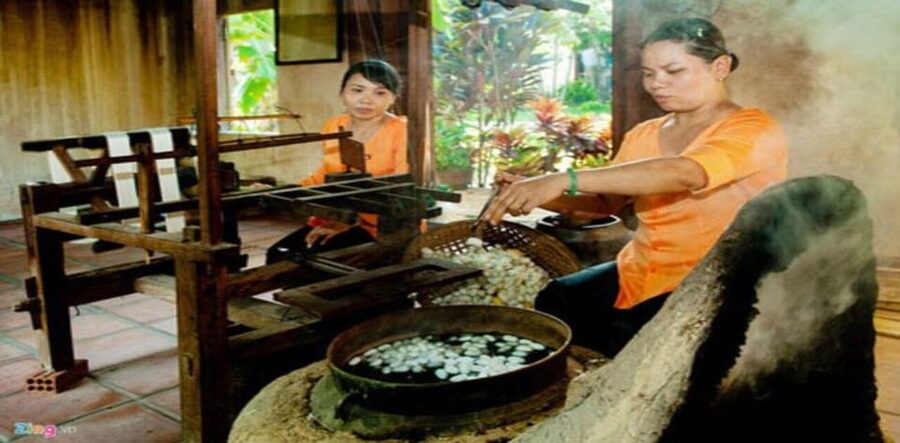
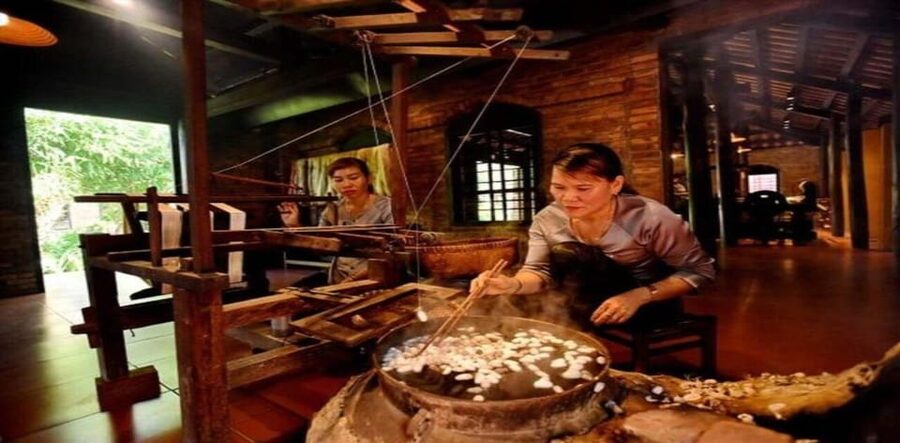
At the Unraveling House, the focus shifts from the silkworm cocoon to the thread. You learn how silk is drawn from the cocoon and prepared for weaving.
This is one of the most useful stops for anyone who shops for silk in Hoi An. The difference between a smooth, genuine silk fabric and a synthetic imitation is not always obvious at a glance. Seeing the thread-making process gives you a better basis for judging what you see later in shops.
The experience also shows why handmade silk is labor-intensive. The cocoon must be handled carefully, and the thread must be prepared before it can become fabric. Even a brief explanation makes the finished material feel less like a generic souvenir and more like the end product of many linked tasks.
You should keep your expectations practical. This is a guided demonstration and explanation, not a full technical course in silk production. If you are fascinated by textile work, you may wish the schedule allowed more time here. Still, the stop gives you the key connection between cocoon and cloth.
Champa textiles and traditional weaving
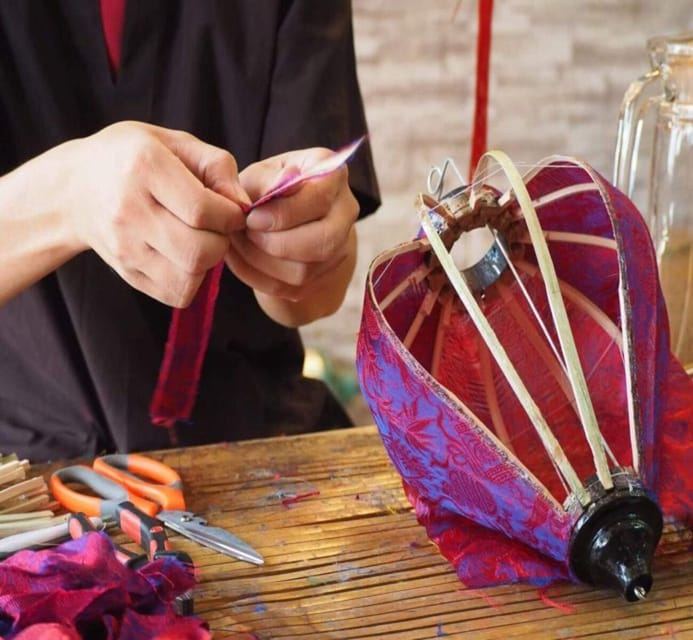
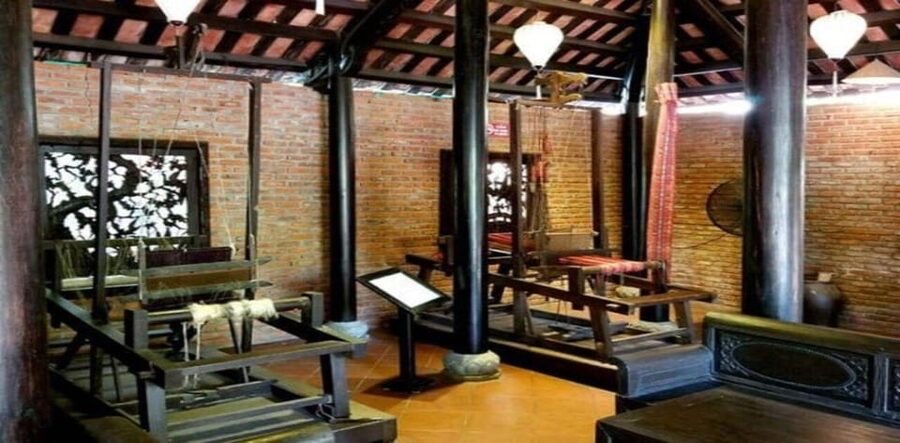
Next comes the Vietnamese silk-weaving house, where you learn about traditional textiles associated with the Champa people and the handmade weaving methods preserved in the area.
The village connects these methods with the Champa and Dai Viet eras. You do not need a detailed background in Vietnamese history to appreciate the point: weaving is not only a factory process, but also a cultural skill passed between generations.
Watching the loom and seeing the fabric develop helps explain the difference between handmade and mass-produced material. You may notice changes in texture, pattern, or finish as the guide points out how the threads are handled.
This part will suit you if you enjoy craft demonstrations and cultural context. It may feel brief if you hoped to sit at a loom for a long time. The emphasis is on understanding the method, not producing a large piece of cloth during the visit.
The stop also makes the later shopping opportunity more useful. Instead of simply being shown rows of silk products, you have just learned what the material is meant to look and feel like.
More silk and tailoring visits in Hoi An:
- Discover Traditional Silk Process in Hoi An Silk Village
★ 4.4 · 60 reviews - Hoi An Hidden Gem- Local Food- Lantern Making- Tailoring
★ 5.0 · 16 reviews - Private Traditional Silk Process in Hoi An Silk Village
★ 4.5 · 7 reviews - Hoi An City tour -Lantern Making and Silk Making process
★ 4.5 · 6 reviews
Learning to spot pure silk at the exhibition
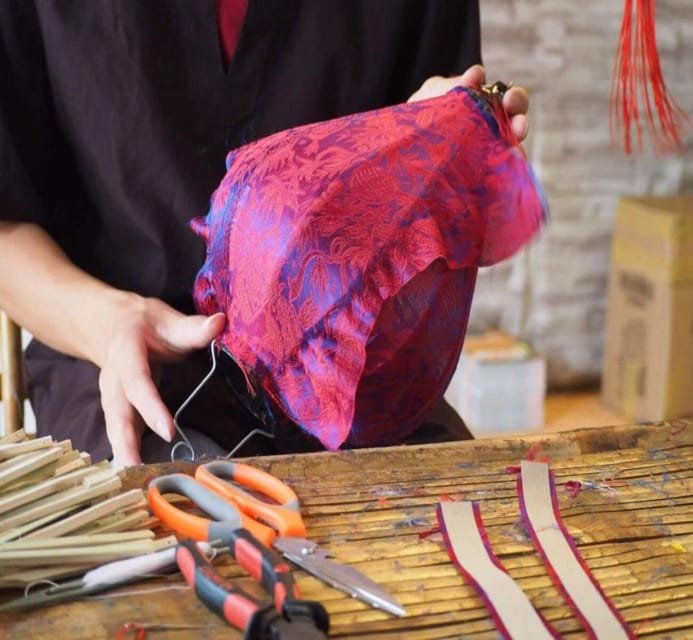
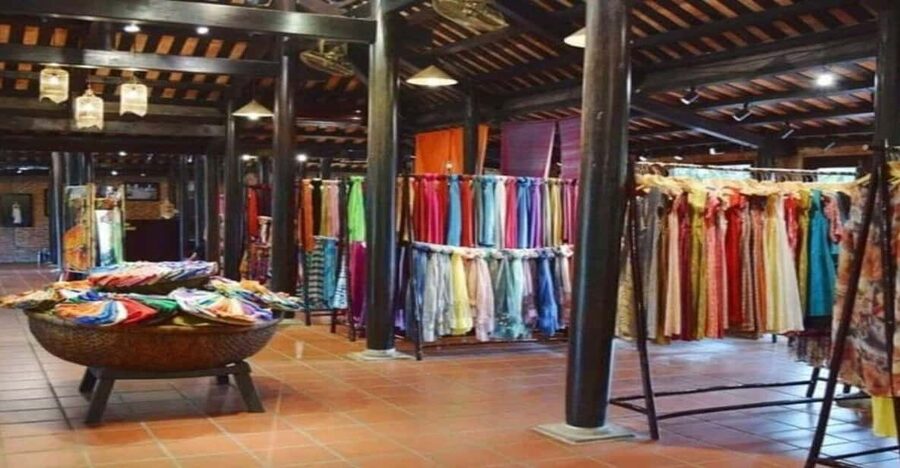
The Silk Village exhibition explains the difference between pure silk and imitation fabric. This is a practical lesson, especially in Hoi An, where scarves, clothing, and other silk goods are common purchases.
You can browse a range of silk products, and the exhibition may suit you if you are planning to buy a scarf or arrange tailoring during your stay. The important point is that shopping is optional. You are not required to purchase anything, and the visit works as a cultural activity even if you leave with only your lantern.
Take your time comparing the fabrics. Ask the guide to repeat the differences if needed, particularly if English pronunciation makes a technical explanation hard to follow. One participant found the guide friendly and eager to help but had difficulty understanding the accent. That is a fair reminder to slow the conversation down and confirm what you have heard.
The shopping section can lengthen the experience for people interested in textiles, but it may feel less important if you are not buying. I would treat it as a useful final lesson rather than the main reason to book.
Making a Hoi An lantern by hand
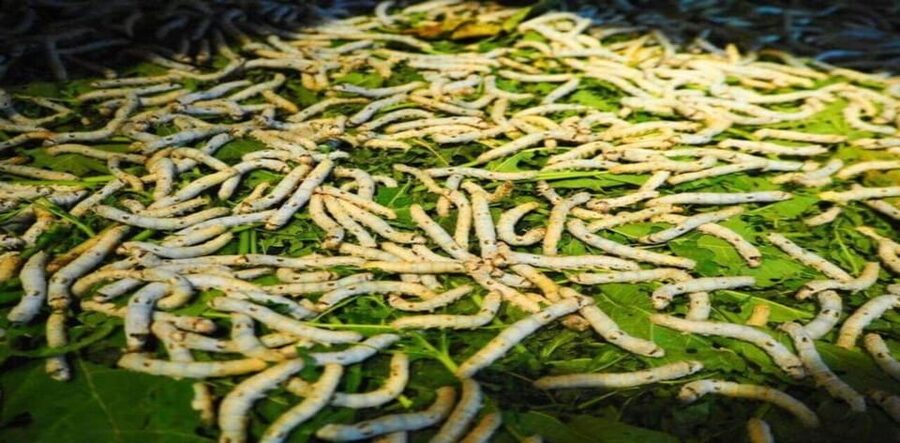
The lantern class gives the tour its strongest hands-on moment. You receive the required materials and tools, hear about the lantern’s place in Hoi An culture, and learn about its shapes, colors, and stages of construction.
You then make one lantern to keep as a souvenir. This is more satisfying than receiving a ready-made trinket because you have a direct link to the craft. The finished item also has a practical advantage: it is easier to pack than many larger souvenirs from Hoi An.
The exact difficulty can depend on how comfortable you are with small manual tasks. The activity is not described as a long master class, so expect guidance through the main stages rather than advanced design work. The value is in trying the process and leaving with something you helped create.
I especially like the change of pace here. The silk section asks you to watch and listen. The lantern class asks you to use your hands. That balance keeps the 150-minute visit from feeling like one long demonstration.
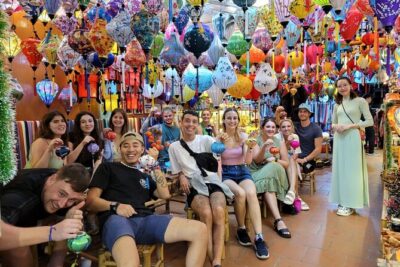
If you are visiting with friends, this makes a pleasant shared activity. Each person gets one lantern, and you can compare the results without needing to buy matching souvenirs.
Cao Lau, spring rolls, and fruit to finish
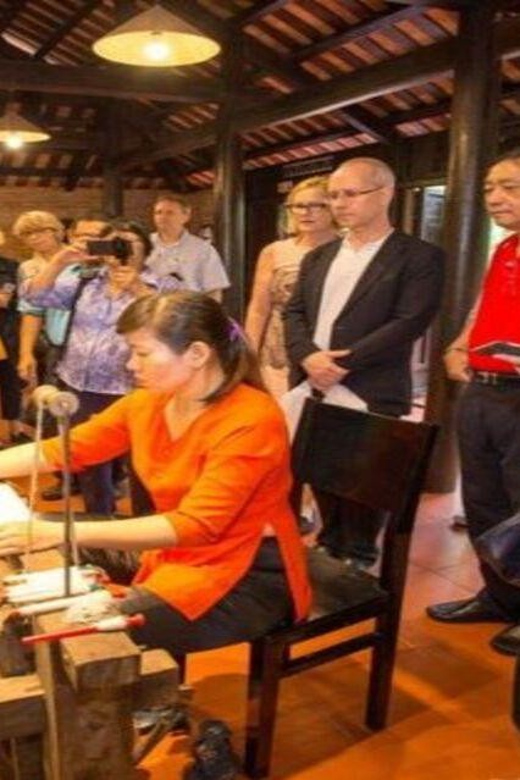
The final food stop includes Cao Lau, deep-fried spring rolls, and a fruit plate. A welcome drink is also included at the beginning.
Cao Lau is one of Hoi An’s best-known local dishes, so including it gives the tour a stronger connection to the city than a generic snack would. The meal is not a separate food tour, and you should not expect a long tasting session. It is a simple local meal after the craft activities.
Food requirements can be adapted for vegan, vegetarian, gluten-free, or allergy needs. Tell the provider about your needs ahead of time so the ingredients can be adjusted. Since recipes and preparation methods can vary, confirm the arrangement when you book if your dietary restriction is serious.
The meal also helps break up the workshop. After moving through gardens, breeding areas, silk workrooms, and the lantern class, sitting down with food gives the experience a natural ending.
What the 22 dollar price includes
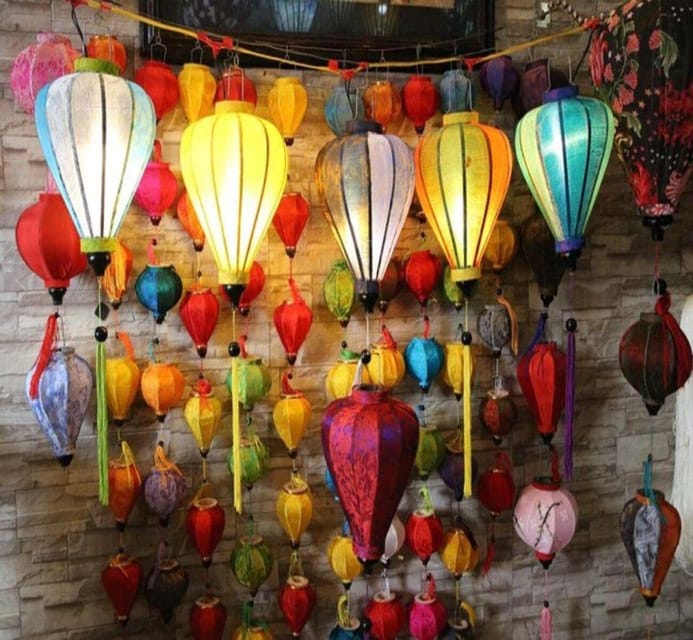
At $22 per person, the tour offers solid value if you want several small cultural experiences in one outing. The price includes the English-speaking guide, entrance fee, welcome drink, meal, lantern, and all materials and tools for the lantern class.
The lantern alone gives you a physical souvenir, while the silk demonstrations provide the main educational value. Add the meal and the price compares well with booking separate craft and food activities, though the short duration means you should not expect an advanced workshop.
The value is strongest for first-time visitors who want an introduction to Hoi An craft traditions without spending a full day away from town. You see the production chain, learn a useful shopping skill, make something, and eat a local dish.
There are extra costs to keep in mind. Personal expenses are not included, and silk products at the exhibition cost extra. Hotel transportation is also not included. A 50 percent surcharge per person applies for bookings on Vietnamese public holidays, payable in cash, so check the date before you commit.
Who will enjoy this 150-minute workshop
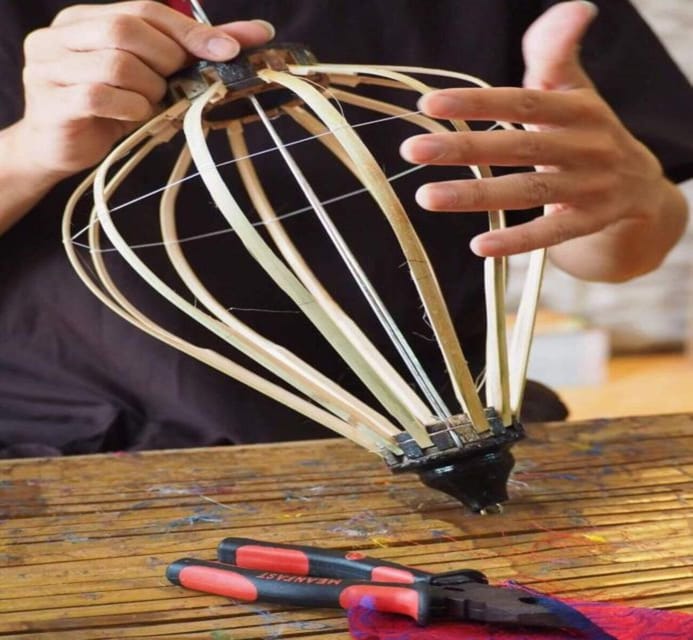
I would recommend this experience to you if you enjoy practical cultural activities, textiles, traditional crafts, or short workshops with a clear beginning and end.
It suits couples, friends, and families with mobile older children who can follow a guided craft session. The lantern project is the best feature for anyone who likes bringing home a handmade reminder of a place.
It is also useful for shoppers. The silk lesson can help you ask better questions and make a more informed choice before buying a scarf or ordering clothing.
You may want a different activity if your main goal is a long, quiet weaving class or a detailed study of silk production. The schedule covers a lot, so each stop is an introduction. The tour is also not suitable for wheelchair users or people with mobility impairments.
Practical tips for a smoother visit
Arrive at 28 Nguyen Tat Thanh Street with enough time to find Hoi An Silk Village. Since transport is not included, plan your route before the start time.
Wear comfortable clothing for moving between the different areas and taking part in the lantern class. The supplied materials and tools are included, so you do not need to bring craft equipment.
If buying silk interests you, leave room in your budget for personal purchases. Use the exhibition lesson before deciding, and ask the guide to explain any point you cannot hear clearly.
Tell the provider about dietary needs in advance. Vegan, vegetarian, gluten-free, and allergy-related adjustments are possible according to the activity information.
Cancellation is flexible up to 24 hours before the start for a full refund, and you can reserve now and pay later. That is useful if your Hoi An schedule is still changing.
Should you book the silk and lantern workshop?
Book it if you want a compact introduction to Hoi An silk making with a hands-on souvenir and a local meal. The best reasons are the complete sequence from mulberry garden to woven cloth, the practical lesson on pure silk, and the chance to make your own lantern.
Skip it if you want a long specialist workshop, dislike shopping-oriented stops, or need wheelchair access. Also remember that the 150-minute schedule moves quickly, and guide pronunciation may occasionally require patience.
For most visitors with an open afternoon, the $22 price is fair. You get more than a demonstration, but the real value comes from combining three things that are often booked separately: a craft visit, a making activity, and a taste of Hoi An food.
FAQ
Where does the activity meet?
The meeting point is Hoi An Silk Village at 28 Nguyen Tat Thanh Street in Hoi An.
How long does the experience last?
The activity lasts 150 minutes, or two and a half hours.
Is hotel pickup included?
No. Hotel pickup and drop-off are not included, so you must arrange your own transportation to and from the meeting point.
What food is included?
The meal includes Cao Lau, deep-fried spring rolls, and a fruit plate. A welcome drink is also included.
Can dietary requirements be accommodated?
Food ingredients can be adapted for vegan, vegetarian, gluten-free, or allergy-related needs. Inform the provider about your requirements.
Do I get to keep the lantern I make?
Yes. One lantern per person is included, and you can keep the lantern you make as a souvenir.
More Hands-on Workshops in Hoi An
- Hoi An: Vietnamese Coffee Culture and Coffee Making Class
★ 4.9 · 4,006 reviews - Cooking Class Hoi An:Local Market, Basket Boat, Fishing & Cooking
★ 5.0 · 3,660 reviews - Hoi An Cooking Class(Market,BasketBoat Crabfishing&Cooking Class)
★ 5.0 · 3,386 reviews - From Hoi An: Market Tour, Basket Boat Ride and Cooking Class
★ 4.8 · 2,208 reviews
More Food Tours in Hoi An
- Evening Walking Food Tour, folk game and lantern boat
★ 5.0 · 665 reviews - Hoi An at Sunset: Authentic Local Street Food Tour
★ 4.5 · 329 reviews - Hoi An Street Food Walking Tour with Tastings
★ 5.0 · 317 reviews - Hoi An street food tour with Billy
★ 5.0 · 273 reviews
Just added in Hoi An
- Hoi An: Ylang Ylang Spa Experience (Free pick up for 2pax++)★ 4.5 · 17 reviews
- Vietnamese Cooking Class with Local Family in Hoi An★ 4.9 · 20 reviews
- Hoi An Countryside Bicycle Tour : 25 Km Real Vietnam★ 5.0 · 12 reviews
- Vietnamese Coffee Making Class in Hoi An★ 5.0 · 4 reviews
- Vegetarian Cooking Class with Local Family in Hoi An★ 4.6 · 5 reviews
- Vegetarian Cooking Class W Optional Basket Boat from Hoi An★ 4.5 · 5 reviews
- My Son Sanctuary Private Tour – Early Morning or Half Day Tour★ 5.0 · 15 reviews
- Traditional Vietnamese Cooking Class in Leina Cookery★ 5.0 · 12 reviews
Hoi An Lantern Making Classes, compared.
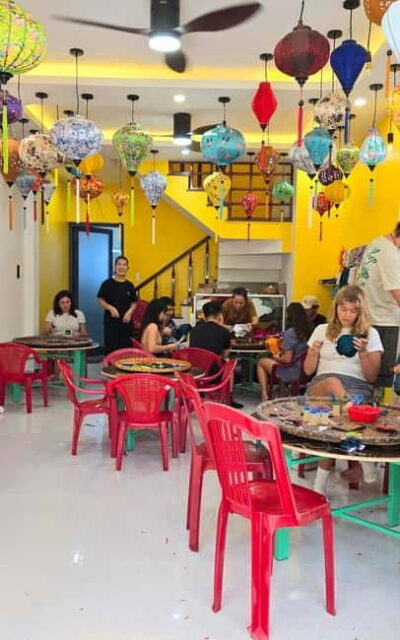
The Lantern Lady: Traditional Lantern Class in Old Town
Read our review →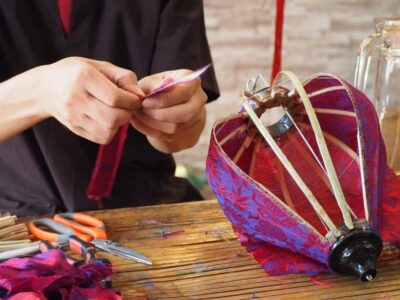

Cooking Class with Market, Lantern Making, Basket Boat
Read our review →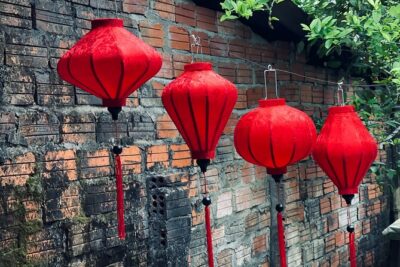
Express Hoi An Lantern Making Class-Foldable lanterns
Read our review →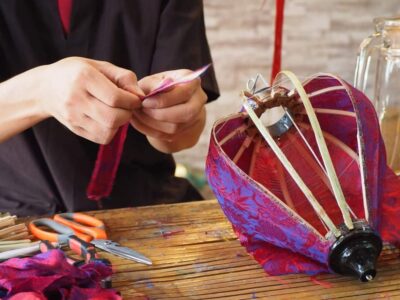

Hoi An Full Lantern Making Class , Basket Boat , Crab Fishing And Food
Read our review →Browse the lists this tour appears in